THE ADVENTURE COLLECTIVE® · Independent discovery and booking for outdoor travel

Move from the carved corridors of Petra to the ochre silences of Wadi Rum and finish floating in the Dead Sea over five purposeful days. This private tour packs archaeology, desert 4x4s and a night under the stars with local guides and organized transfers.
Move from the carved corridors of Petra to the ochre silences of Wadi Rum and finish floating in the Dead Sea over five purposeful days. This private tour packs archaeology, desert 4x4s and a night under the stars with local guides and organized transfers.
The first light in Petra arrives like a slow unveiling: a narrow ribbon of sky above the Siq leaks brightness onto the rose-red cliffs and the Treasury’s carved façade emerges as if it had been waiting for you to catch up. You walk through a gorge that once funneled the lives and trade of the Nabataeans, then later, by the third day, the landscape has shed its stone skin and stretched into Wadi Rum’s moonscape, where a Bedouin driver eases a 4x4 down honey-colored dunes and the wind writes new lines across the sand.
Verified experiences and guided adventures in the surrounding area.
Operated by Plato Tours & Travel · Wadi Musa, Ma'an Governorate
The first light in Petra arrives like a slow unveiling: a narrow ribbon of sky above the Siq leaks brightness onto the rose-red cliffs and the Treasury’s carved façade emerges as if it had been waiting for you to catch up. You walk through a gorge that once funneled the lives and trade of the Nabataeans, then later, by the third day, the landscape has shed its stone skin and stretched into Wadi Rum’s moonscape, where a Bedouin driver eases a 4x4 down honey-colored dunes and the wind writes new lines across the sand.
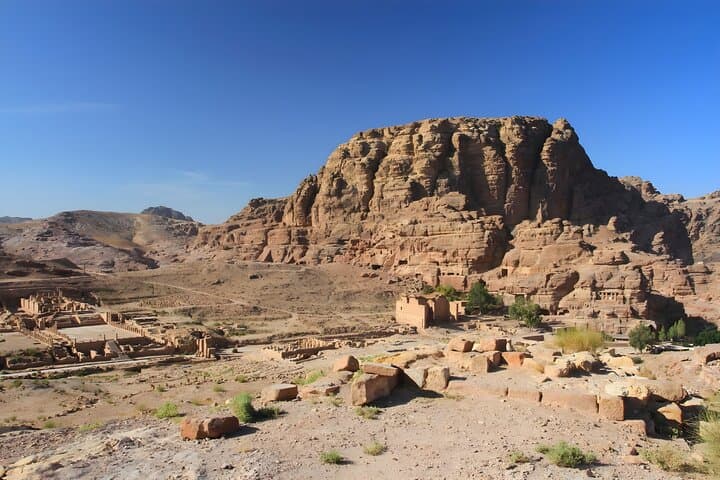
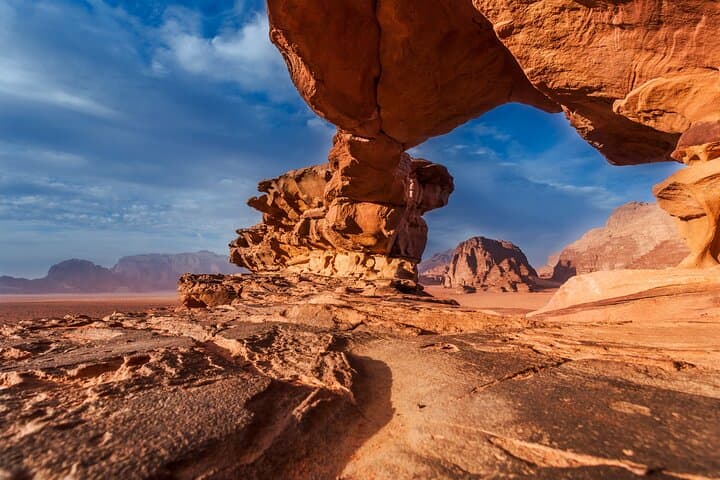
This five-day loop stitches three very different Jordanian worlds. Petra — occupied from at least the 6th century BCE — is an urban ruin cut into sandstone whose erosion patterns produce color bands and delicate reliefs. Wadi Rum is younger in human terms but older in rock terms: towering sandstone and granite inselbergs shaped by millennia of sand and thermal stress; T.E. Lawrence called it "vast, echoing and God-like." Then there’s the Dead Sea, the lowest point on Earth at roughly 430 meters below sea level, where dissolved minerals make the water buoyant and the shoreline a shallow shelf of salt-crusted textures.
Cultural notes thread these places: Nabataean engineering in Petra’s water channels, Bedouin hospitality and storytelling around Wadi Rum campfires, and Ottoman, Crusader and Roman footprints visible at Karak Castle on the route south to the Dead Sea. Guides not only point out monuments but also interpret local life — from the cardamom-sweet coffee ritual to the practical use of desert tents. If you bring curiosity, they’ll supply context and routes less trodden — the Madras Trail in Petra requires a licensed guide but rewards with quieter viewpoints.
Practical edge: split your Petra time into early and late sessions to avoid midday crowds and heat; a two-day Petra ticket is included on this trip. Wadi Rum’s jeep safari covers varied terrain — dunes, narrow canyons and open plains — so motion comfort and a light daypack are wise. Dead Sea time is restorative: apply mud and salt carefully, avoid shaving before floating, and rinse thoroughly after.
Expect moderate walking with opportunities for a strenuous climb if you opt for the 860 steps to the Monastery. Temperatures swing; bring sun protection and layers for chilly desert nights. The tour includes private transfers, a Bedouin camp night in Wadi Rum, two full Petra days with a local guide, and a Dead Sea hotel stay.
In short: this itinerary compresses Jordan’s signature landscapes into five purposeful days — architectural mystery, desert performance, and mineral calm — delivered with local expertise so you can experience each place with context and ease.
moderate.
5 days (itinerary totals several hours of walking across days).
Comfortable on your feet for 3–6 hours in a day; some stairs and uneven terrain require basic endurance.
The tour includes entrance fees for the listed attractions; if you already purchased a Jordan Pass, notify the operator to avoid double payment.
There’s moderate walking on uneven stone and optional steep climbs (e.g., 860 steps to the Monastery); pace yourself and use shade breaks.
Accommodation is at a private desert camp with comfortable beds and shared or en-suite facilities depending on the camp level selected.
Yes — pickup from locations within Amman or Aqaba is offered; provide exact pickup details when booking.
Generally yes, but avoid entering the water with open wounds, and those with heart conditions, severe respiratory issues or pregnant travelers should consult a doctor first.
The tour provides an English-speaking driver/guide; other languages may be available on request.
Petra was the capital of the Nabataeans and a pivotal trade hub; Karak’s Crusader castle controlled the medieval Kings' Highway connecting the Levant.
Wadi Rum is a protected area with regulated jeep routes and campsite zones; visitors are encouraged to stay on designated tracks and minimize plastic use.
Plato Tours & Travel operates guided outdoor trips and adventures with an emphasis on safety, stewardship, and memorable experiences.
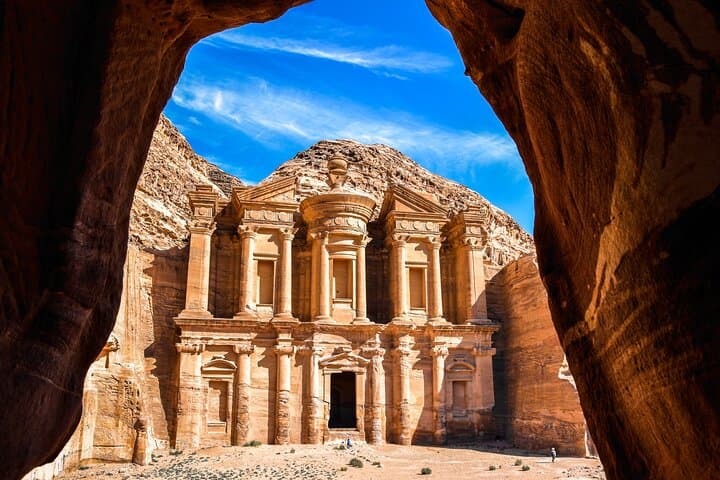
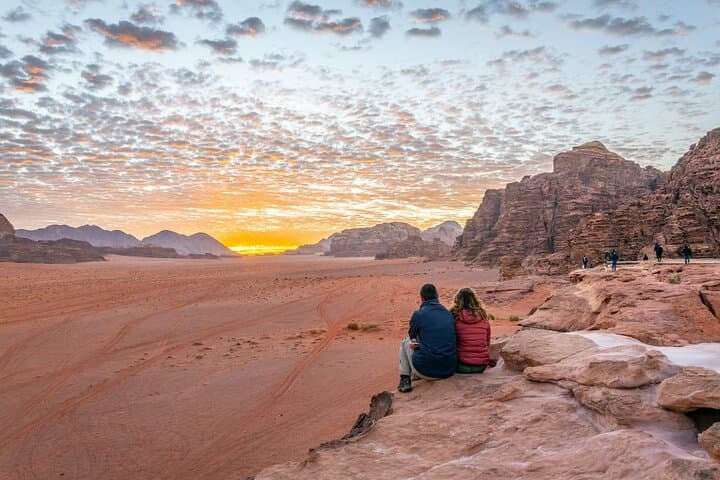
The first light in Petra arrives like a slow unveiling: a narrow ribbon of sky above the Siq leaks brightness onto the rose-red cliffs and the Treasury’s carved façade emerges as if it had been waiting for you to catch up. You walk through a gorge that once funneled the lives and trade of the Nabataeans, then later, by the third day, the landscape has shed its stone skin and stretched into Wadi Rum’s moonscape, where a Bedouin driver eases a 4x4 down honey-colored dunes and the wind writes new lines across the sand.
The first light in Petra arrives like a slow unveiling: a narrow ribbon of sky above the Siq leaks brightness onto the rose-red cliffs and the Treasury’s carved façade emerges as if it had been waiting for you to catch up. You walk through a gorge that once funneled the lives and trade of the Nabataeans, then later, by the third day, the landscape has shed its stone skin and stretched into Wadi Rum’s moonscape, where a Bedouin driver eases a 4x4 down honey-colored dunes and the wind writes new lines across the sand.
This five-day loop stitches three very different Jordanian worlds. Petra — occupied from at least the 6th century BCE — is an urban ruin cut into sandstone whose erosion patterns produce color bands and delicate reliefs. Wadi Rum is younger in human terms but older in rock terms: towering sandstone and granite inselbergs shaped by millennia of sand and thermal stress; T.E. Lawrence called it "vast, echoing and God-like." Then there’s the Dead Sea, the lowest point on Earth at roughly 430 meters below sea level, where dissolved minerals make the water buoyant and the shoreline a shallow shelf of salt-crusted textures.
Cultural notes thread these places: Nabataean engineering in Petra’s water channels, Bedouin hospitality and storytelling around Wadi Rum campfires, and Ottoman, Crusader and Roman footprints visible at Karak Castle on the route south to the Dead Sea. Guides not only point out monuments but also interpret local life — from the cardamom-sweet coffee ritual to the practical use of desert tents. If you bring curiosity, they’ll supply context and routes less trodden — the Madras Trail in Petra requires a licensed guide but rewards with quieter viewpoints.
Practical edge: split your Petra time into early and late sessions to avoid midday crowds and heat; a two-day Petra ticket is included on this trip. Wadi Rum’s jeep safari covers varied terrain — dunes, narrow canyons and open plains — so motion comfort and a light daypack are wise. Dead Sea time is restorative: apply mud and salt carefully, avoid shaving before floating, and rinse thoroughly after.
Expect moderate walking with opportunities for a strenuous climb if you opt for the 860 steps to the Monastery. Temperatures swing; bring sun protection and layers for chilly desert nights. The tour includes private transfers, a Bedouin camp night in Wadi Rum, two full Petra days with a local guide, and a Dead Sea hotel stay.
In short: this itinerary compresses Jordan’s signature landscapes into five purposeful days — architectural mystery, desert performance, and mineral calm — delivered with local expertise so you can experience each place with context and ease.