THE ADVENTURE COLLECTIVE® · Independent discovery and booking for outdoor travel

Pack history, wildlife and wine into five days around Cape Town: from Robben Island’s hard lessons to a Big Five game drive, cliffside penguins and estate tastings in Stellenbosch. A compact, private tour that covers the region’s signature landscapes and culture.
Pack history, wildlife and wine into five days around Cape Town: from Robben Island’s hard lessons to a Big Five game drive, cliffside penguins and estate tastings in Stellenbosch. A compact, private tour that covers the region’s signature landscapes and culture.
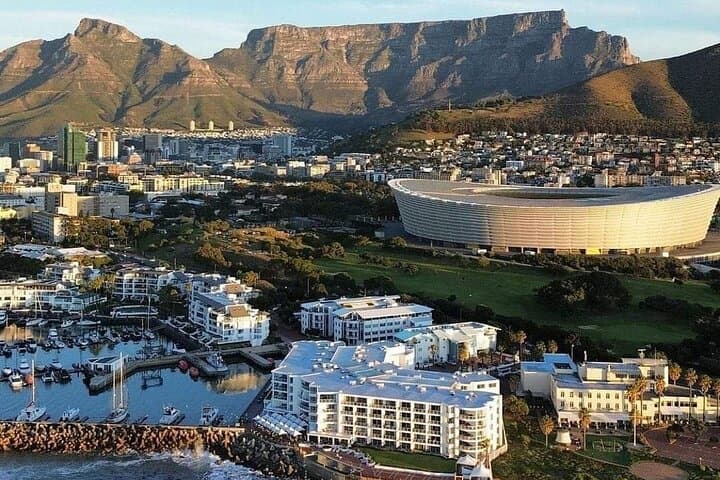
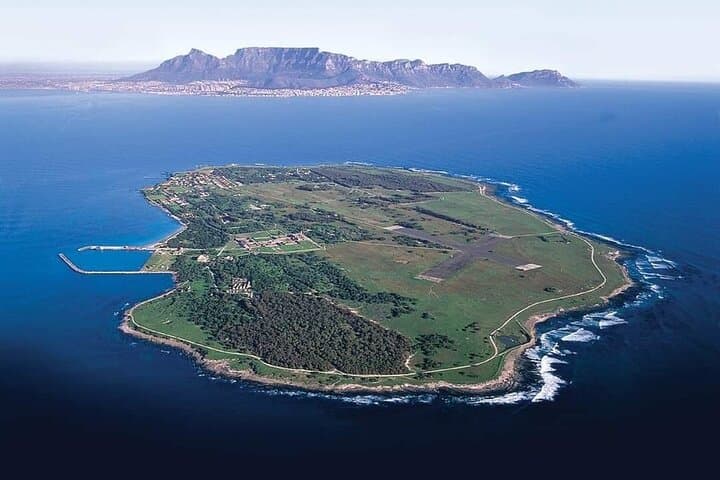
The van eases away from the city as Table Mountain shrinks into a flat-backed silhouette and the Atlantic hums at the window. On day one travelers step onto the V&A Waterfront, board the ferry and watch Cape Town’s skyline recede; Robben Island sits 11 km offshore, its ferry run about 40–45 minutes across a sea that often seems to tug at the hull with two different currents. The island tour is blunt and instructive — the prison cells, the bus route, and the voices of former inmates build context that hangs in the air long after you return.
Verified experiences and guided adventures in the surrounding area.
Operated by african macaw dmc and Safaris · Cape Town, Western Cape
The van eases away from the city as Table Mountain shrinks into a flat-backed silhouette and the Atlantic hums at the window. On day one travelers step onto the V&A Waterfront, board the ferry and watch Cape Town’s skyline recede; Robben Island sits 11 km offshore, its ferry run about 40–45 minutes across a sea that often seems to tug at the hull with two different currents. The island tour is blunt and instructive — the prison cells, the bus route, and the voices of former inmates build context that hangs in the air long after you return.
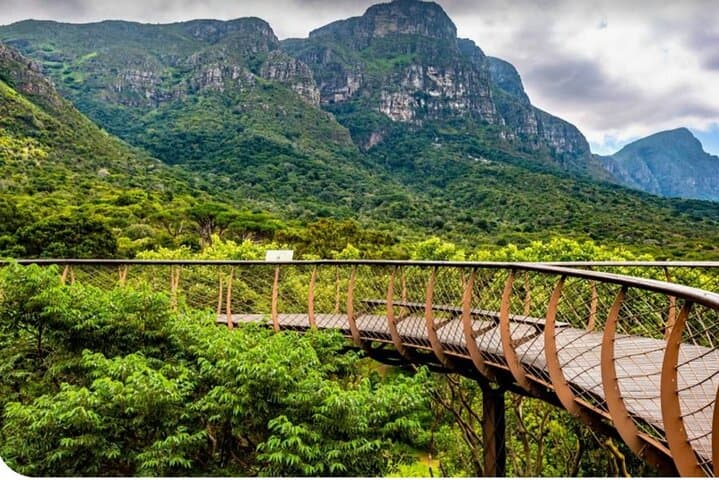
Across the itinerary the landscape keeps changing: the exposed sandstone cliffs of Table Mountain (1,067 m at its highest), the wind-swept fynbos of Kirstenbosch Botanical Gardens, the Atlantic coastline’s curling roads, and the low, flat dunes at Cape Agulhas where the Indian and Atlantic Oceans meet. Geologically the Cape Peninsula is a collision of old sandstones and granite intrusions that sculpt steep drives like Chapman’s Peak and the Cape Point promontory. Culturally the program threads history — from the Cape Dutch farms of Stellenbosch and Boschendal to the township stories glimpsed from the coach — and ends evenings with the sensory overload of a 14-course African dinner and live drumming.
The middle days swap city views for wildlife. A day at Aquila Game Reserve (about a 2–3 hour drive inland) concentrates the Big Five into a managed 10,000-hectare reserve where guided game drives maximize sightings and photo opportunities. Another day follows the Cape Peninsula: seal colonies at Hout Bay, boardwalks at Boulders Beach to watch African penguins, and the Cape of Good Hope lookouts where baboons and eland patrol the slopes.
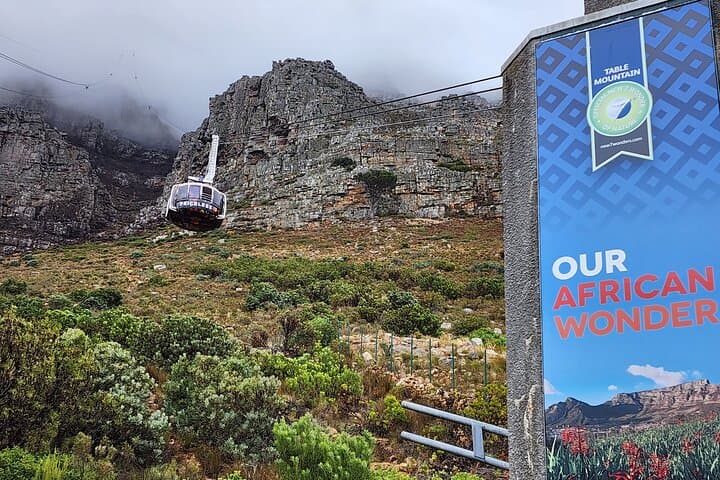
Practicalities keep the trip comfortable: most transfers are included, pick-up begins around 07:30, and the tour is private and customizable. Wear sturdy walking shoes for uneven boardwalks and rocky viewpoints, and bring layered clothing — coastal winds can turn warm mornings into bracing afternoons. For Table Mountain consider the cableway (rotating cabins) if the weather makes the hike unwise; for whale season in Hermanus, plan an early cliff walk or an optional boat trip.
This five-day loop is best for travelers who want a concentrated taste of South Africa’s coastal geology, human history, wildlife, and wine culture without committing to long self-drives. It balances guided interpretation with free moments — a cellar tasting in Stellenbosch, a sunset in Kirstenbosch, and a final night of music and food — so that the region’s complexity is felt as much as seen.
moderate.
5 days.
Suitable for travelers with moderate fitness who can handle short hikes, stairs, and multi-hour days of sightseeing.
The ferry crossing is approximately 40–45 minutes from the V&A Waterfront to Murray’s Bay Harbour on Robben Island.
Yes—expect a 2–3 hour drive each way with a 2–3 hour game drive and buffet lunch at the reserve; round trip is typically a full day.
The itinerary includes guided wine-tasting visits, though some premium cellar tours or special tastings may be optional and incur an extra fee.
Yes—the Table Mountain Aerial Cableway offers a rotating cabin ascent; hiking options are available for experienced walkers but depend on weather and fitness.
Southern right whales are most commonly seen from June to December, with peak sightings in August–October; boat trips are optional and season-dependent.
Do not feed or approach animals, stay on designated paths and boardwalks, secure luggage and food, and follow your guide’s instructions to avoid aggressive encounters.
The tour traces Cape Town’s layered past—from 17th-century Dutch farms in Stellenbosch to Robben Island where Nelson Mandela and others were imprisoned during apartheid.
The Cape Floral Kingdom is globally unique and fragile; stick to paths to protect endemic fynbos and support venues that practice sustainable winegrowing and wildlife management.
african macaw dmc and Safaris operates guided outdoor trips and adventures with an emphasis on safety, stewardship, and memorable experiences.
The van eases away from the city as Table Mountain shrinks into a flat-backed silhouette and the Atlantic hums at the window. On day one travelers step onto the V&A Waterfront, board the ferry and watch Cape Town’s skyline recede; Robben Island sits 11 km offshore, its ferry run about 40–45 minutes across a sea that often seems to tug at the hull with two different currents. The island tour is blunt and instructive — the prison cells, the bus route, and the voices of former inmates build context that hangs in the air long after you return.
The van eases away from the city as Table Mountain shrinks into a flat-backed silhouette and the Atlantic hums at the window. On day one travelers step onto the V&A Waterfront, board the ferry and watch Cape Town’s skyline recede; Robben Island sits 11 km offshore, its ferry run about 40–45 minutes across a sea that often seems to tug at the hull with two different currents. The island tour is blunt and instructive — the prison cells, the bus route, and the voices of former inmates build context that hangs in the air long after you return.
Across the itinerary the landscape keeps changing: the exposed sandstone cliffs of Table Mountain (1,067 m at its highest), the wind-swept fynbos of Kirstenbosch Botanical Gardens, the Atlantic coastline’s curling roads, and the low, flat dunes at Cape Agulhas where the Indian and Atlantic Oceans meet. Geologically the Cape Peninsula is a collision of old sandstones and granite intrusions that sculpt steep drives like Chapman’s Peak and the Cape Point promontory. Culturally the program threads history — from the Cape Dutch farms of Stellenbosch and Boschendal to the township stories glimpsed from the coach — and ends evenings with the sensory overload of a 14-course African dinner and live drumming.
The middle days swap city views for wildlife. A day at Aquila Game Reserve (about a 2–3 hour drive inland) concentrates the Big Five into a managed 10,000-hectare reserve where guided game drives maximize sightings and photo opportunities. Another day follows the Cape Peninsula: seal colonies at Hout Bay, boardwalks at Boulders Beach to watch African penguins, and the Cape of Good Hope lookouts where baboons and eland patrol the slopes.
Practicalities keep the trip comfortable: most transfers are included, pick-up begins around 07:30, and the tour is private and customizable. Wear sturdy walking shoes for uneven boardwalks and rocky viewpoints, and bring layered clothing — coastal winds can turn warm mornings into bracing afternoons. For Table Mountain consider the cableway (rotating cabins) if the weather makes the hike unwise; for whale season in Hermanus, plan an early cliff walk or an optional boat trip.
This five-day loop is best for travelers who want a concentrated taste of South Africa’s coastal geology, human history, wildlife, and wine culture without committing to long self-drives. It balances guided interpretation with free moments — a cellar tasting in Stellenbosch, a sunset in Kirstenbosch, and a final night of music and food — so that the region’s complexity is felt as much as seen.