THE ADVENTURE COLLECTIVE® · Independent discovery and booking for outdoor travel

A fast-paced five-day private tour that pairs Table Mountain and Lion’s Head hikes with Cape Point, Robben Island, Franschhoek wine tastings and a heart-racing shark cage dive—perfect for travelers who want a concise, expert-led introduction to Cape Town’s natural and cultural highlights.
A fast-paced five-day private tour that pairs Table Mountain and Lion’s Head hikes with Cape Point, Robben Island, Franschhoek wine tastings and a heart-racing shark cage dive—perfect for travelers who want a concise, expert-led introduction to Cape Town’s natural and cultural highlights.
You meet Cape Town at the sea: wind-scoured cliffs tumbling into a restless Atlantic, the city a bright splice between mountain and water. On day one the van peels onto Chapman’s Peak Drive, the road clinging to the rock like a ribbon as spray flashes up from below. Guides point toward the jagged tongue of Cape Point where the oceans appear to tussle on a clear day; baboons patrol the scrub, and the lighthouse perches like a weathered sentry.
Verified experiences and guided adventures in the surrounding area.
Operated by Tourgy Tourz · Cape Town, Western Cape
You meet Cape Town at the sea: wind-scoured cliffs tumbling into a restless Atlantic, the city a bright splice between mountain and water. On day one the van peels onto Chapman’s Peak Drive, the road clinging to the rock like a ribbon as spray flashes up from below. Guides point toward the jagged tongue of Cape Point where the oceans appear to tussle on a clear day; baboons patrol the scrub, and the lighthouse perches like a weathered sentry.
The program reads like a compact primer on the region’s geology and history. Table Mountain—an ancient sandstone plateau carved by millennia of wind and rain—dominates the skyline and dictates microclimates across the peninsulas. Robben Island, visible from the V&A Waterfront ferry, is a short sail and a long story: the prison where Nelson Mandela and others were held is now a museum that reframes national memory.
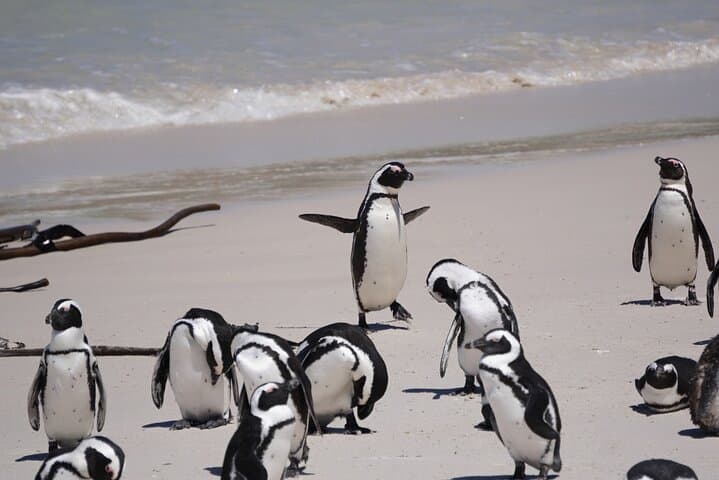
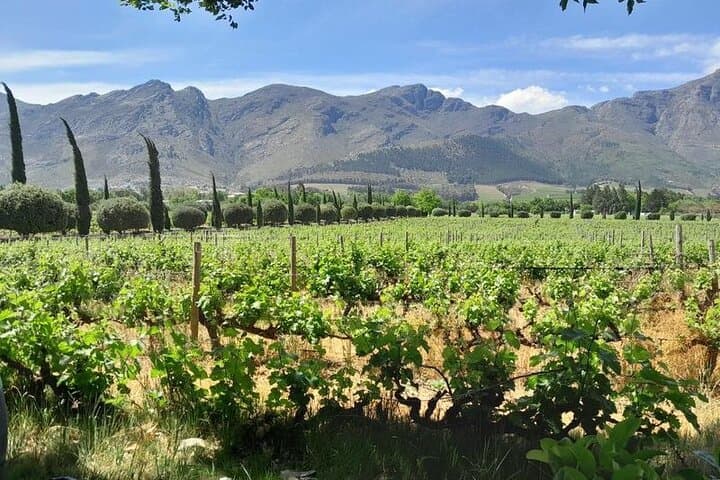
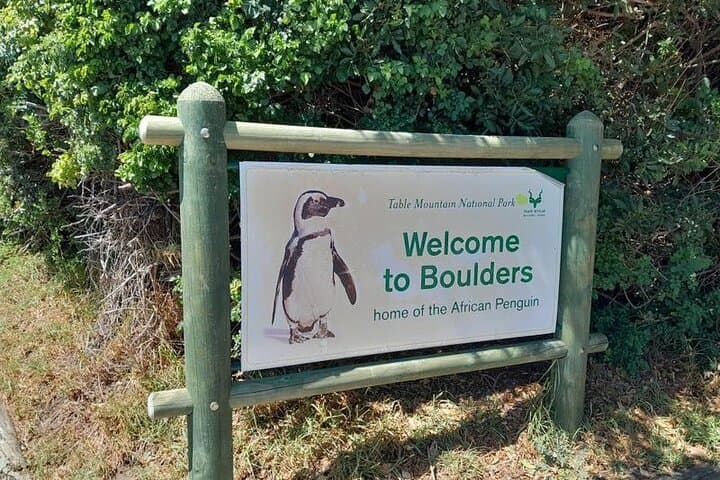
Culture threads through the tour: Bo-Kaap’s painted facades recall Cape Malay communities and their culinary legacy; Stellenbosch and Franschhoek unspool South Africa’s viticultural history beneath oak-lined streets and Cape Dutch homesteads. At sea, a different ecosystem asserts itself—African penguins on Boulders Beach, fur seals at Hout Bay, and the cold-loving great white shark off Gansbaai all point to the Benguela current’s richness.
Practically, the trip is paced for variety. Days mix short walks with longer drives and single moderate hikes—Lion’s Head is the highlight for fitness: about 3–3.5 km round trip with ~300 m elevation gain, 2–3 hours at a steady clip, and a sunset that rewards the effort. Table Mountain is best enjoyed via the rotating cable car when winds permit; reserve a slot on peak wind days. Robben Island ferries run weather-dependent; mornings are usually calmer.
Bring layered clothing, sturdy walking shoes, and a small daypack for water and camera gear. Hydrate between tastings during wine days—capable sun protection is essential even on cool days. For the shark-cage day expect early starts, a 2–3 hour round-trip drive to Gansbaai, and a full-boat briefing; motion-sickness remedies are a sensible precaution.
Logistics favor convenience: hotel pickup across Cape Town, bottled water, entrance fees, and transfers are included. Guides bridge natural history and local life with practiced ease, making sure you see the highlights without rushing.
In five days you move from summit views to seabird colonies, from colonial forts to vineyards—an efficient, sympathetic portrait of Cape Town that balances spectacle with context and leaves space for one unequivocal recommendation: leave room in your itinerary to return.
moderate.
5 days.
Suitable for travelers with regular activity—able to manage short hikes of up to 3 hours and climb uneven terrain.
Operators follow strict safety protocols, provide briefings and flotation gear; participants remain in a secure cage and do not need prior diving experience.
Many parts are wheelchair-accessible (V&A Waterfront, some wine estates), but hikes and certain boat landings may be unsuitable—discuss needs with the operator before booking.
Tipping is customary—10–15% for guides is typical if you’re satisfied with the service; small cash tips for drivers are appreciated.
Ferries run daily but are weather-dependent; guides schedule the morning crossing to maximize likelihood, and refunds or rescheduling follow the operator’s policy.
Warm, waterproof layers, non-slip shoes for the boat, seasickness remedies, and a waterproof bag for electronics.
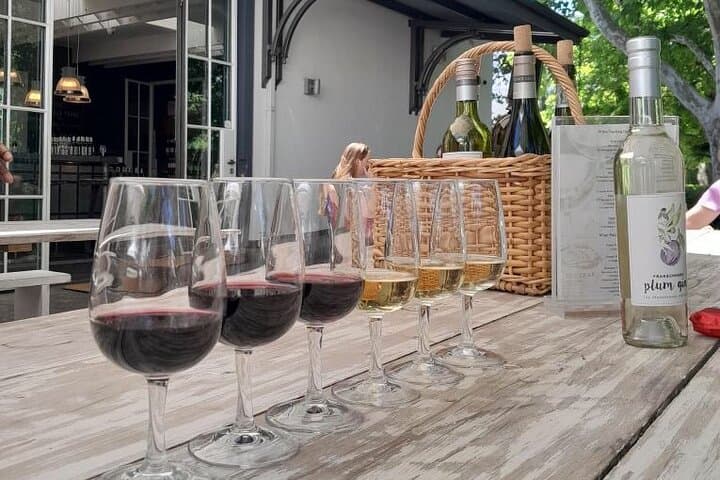
Wine tastings at estates are included as part of the visit plan; full bottles and lunches are typically extra unless specified in your itinerary.
Robben Island’s prison played a central role in South Africa’s 20th-century political history; Table Mountain has served as a navigational landmark for seafarers since the Age of Exploration.
The region’s fynbos and marine ecosystems are fragile—support operators who follow wildlife-viewing guidelines and avoid disturbing breeding colonies.
Tourgy Tourz operates guided outdoor trips and adventures with an emphasis on safety, stewardship, and memorable experiences.
You meet Cape Town at the sea: wind-scoured cliffs tumbling into a restless Atlantic, the city a bright splice between mountain and water. On day one the van peels onto Chapman’s Peak Drive, the road clinging to the rock like a ribbon as spray flashes up from below. Guides point toward the jagged tongue of Cape Point where the oceans appear to tussle on a clear day; baboons patrol the scrub, and the lighthouse perches like a weathered sentry.
You meet Cape Town at the sea: wind-scoured cliffs tumbling into a restless Atlantic, the city a bright splice between mountain and water. On day one the van peels onto Chapman’s Peak Drive, the road clinging to the rock like a ribbon as spray flashes up from below. Guides point toward the jagged tongue of Cape Point where the oceans appear to tussle on a clear day; baboons patrol the scrub, and the lighthouse perches like a weathered sentry.
The program reads like a compact primer on the region’s geology and history. Table Mountain—an ancient sandstone plateau carved by millennia of wind and rain—dominates the skyline and dictates microclimates across the peninsulas. Robben Island, visible from the V&A Waterfront ferry, is a short sail and a long story: the prison where Nelson Mandela and others were held is now a museum that reframes national memory.
Culture threads through the tour: Bo-Kaap’s painted facades recall Cape Malay communities and their culinary legacy; Stellenbosch and Franschhoek unspool South Africa’s viticultural history beneath oak-lined streets and Cape Dutch homesteads. At sea, a different ecosystem asserts itself—African penguins on Boulders Beach, fur seals at Hout Bay, and the cold-loving great white shark off Gansbaai all point to the Benguela current’s richness.
Practically, the trip is paced for variety. Days mix short walks with longer drives and single moderate hikes—Lion’s Head is the highlight for fitness: about 3–3.5 km round trip with ~300 m elevation gain, 2–3 hours at a steady clip, and a sunset that rewards the effort. Table Mountain is best enjoyed via the rotating cable car when winds permit; reserve a slot on peak wind days. Robben Island ferries run weather-dependent; mornings are usually calmer.
Bring layered clothing, sturdy walking shoes, and a small daypack for water and camera gear. Hydrate between tastings during wine days—capable sun protection is essential even on cool days. For the shark-cage day expect early starts, a 2–3 hour round-trip drive to Gansbaai, and a full-boat briefing; motion-sickness remedies are a sensible precaution.
Logistics favor convenience: hotel pickup across Cape Town, bottled water, entrance fees, and transfers are included. Guides bridge natural history and local life with practiced ease, making sure you see the highlights without rushing.
In five days you move from summit views to seabird colonies, from colonial forts to vineyards—an efficient, sympathetic portrait of Cape Town that balances spectacle with context and leaves space for one unequivocal recommendation: leave room in your itinerary to return.