THE ADVENTURE COLLECTIVE® · Independent discovery and booking for outdoor travel

A compact 4-night, 5-day loop that threads Gangtok’s monasteries, the high-altitude Tsomgo Lake and the dawn drama of Tiger Hill in Darjeeling. Ideal for travelers who want cultural variety and alpine scenery without multi-day trekking.
A compact 4-night, 5-day loop that threads Gangtok’s monasteries, the high-altitude Tsomgo Lake and the dawn drama of Tiger Hill in Darjeeling. Ideal for travelers who want cultural variety and alpine scenery without multi-day trekking.
You arrive at Bagdogra airport under a low Himalayan sky and the road climbs immediately—first a river canyon, then terraced fields, then the bright prayer flags of Gangtok threading the hills. The first night’s light on M.G. Marg feels like a welcome: tea stalls, local handicrafts and a coolness that hints at altitude to come. Over the next five days the itinerary moves like a carefully plotted contour line from Gangtok’s Buddhist monasteries to the glassy oval of Tsomgo (Tsomgo) Lake and, later, the misty tea gardens and dawn chorus on Tiger Hill in Darjeeling.
Verified experiences and guided adventures in the surrounding area.
Operated by Yes Tourism India · Gangtok, Sikkim
You arrive at Bagdogra airport under a low Himalayan sky and the road climbs immediately—first a river canyon, then terraced fields, then the bright prayer flags of Gangtok threading the hills. The first night’s light on M.G. Marg feels like a welcome: tea stalls, local handicrafts and a coolness that hints at altitude to come. Over the next five days the itinerary moves like a carefully plotted contour line from Gangtok’s Buddhist monasteries to the glassy oval of Tsomgo (Tsomgo) Lake and, later, the misty tea gardens and dawn chorus on Tiger Hill in Darjeeling.
Geology and history sit close to the surface here. Tsomgo occupies a high glacial basin at about 3,780 m with an average depth near 50 feet; the area was sculpted by repeated ice and river action and now hosts seasonal migratory birds like the brahminy duck. Sikkim’s modern map is young — it joined India in 1975 — but its cultural layers run deep: Lepcha, Bhutia and Nepali traditions inform local festivals, monasteries and cuisine. Darjeeling, once a British hill station, owes its international reputation to slopes of camellia sinensis that were planted in the 19th century and still shape the region’s economy and views.
On the itinerary: private transfers from Bagdogra/NJP to Gangtok (expect 4–5 hours on mountain roads), a full-day excursion to Tsomgo Lake and Baba Mandir (another 17 km beyond the lake), an optional permited trip to Nathu La (permit fee and restrictions apply), and a transfer to Darjeeling for an early-morning ascent of Tiger Hill and visits to Batasia Loop, Ghoom Monastery, the Himalayan Mountaineering Institute and local markets.
Practical edge: altitude is the defining variable. Pack warm layers and sunscreen, expect cold mornings especially above 3,500 m, and plan light activity on day one to acclimatize. Cash matters — small vendors and hill taxis can be cash-only; ATMs exist but are unreliable in remote pockets. If you want Nathu La, arrange permits well in advance and budget for the surcharge (the tour notes an additional charge). Hotels listed are mid-range 3-star properties; private transportation and breakfast are included, so focus on preparing for the terrain and weather.
This trip balances accessible cultural sightseeing with alpine exposure. Move deliberately, drink water, and use your first day to let the hills do their work — slow down and you’ll be rewarded with sudden clearings: a dark lake reflecting a crag, a prayer wheel turning with the wind, and a dawn that turns the Kangchenjunga ridge gold.
moderate.
4–5 days.
Moderately fit: comfortable walking, a few stairs and short uphill sections; be prepared for high-altitude chill and light exertion.
Yes — Nathu La is a controlled Indo-China border pass and requires a special permit and additional fees; permits must be arranged in advance and are subject to military restrictions.
Expect roughly 4–5 hours over mountain roads depending on traffic and weather; drivers typically plan for stops and passport/checkpoint waits.
The tour is designed to be accessible, but high-altitude segments may challenge very young children or those with heart/lung conditions; consult a doctor if in doubt.
Breakfast is included each morning; other meals are generally at your expense unless specified by the operator.
The itinerary offers Nathu La as an optional excursion with an additional vehicle fee; confirm availability and permit logistics with the operator in advance.
Indian rupees (INR); carry small denominations for local purchases and tipping—ATMs in hill towns can run out of cash.
Sikkim was an independent Himalayan kingdom until it merged with India in 1975; Darjeeling grew as a British-era hill station whose tea estates still define the landscape.
Alpine lakes and fragile rhododendron slopes are sensitive to erosion and waste—pack out trash, avoid off-trail walking, and respect local wildlife and grazing areas.
Yes Tourism India operates guided outdoor trips and adventures with an emphasis on safety, stewardship, and memorable experiences.
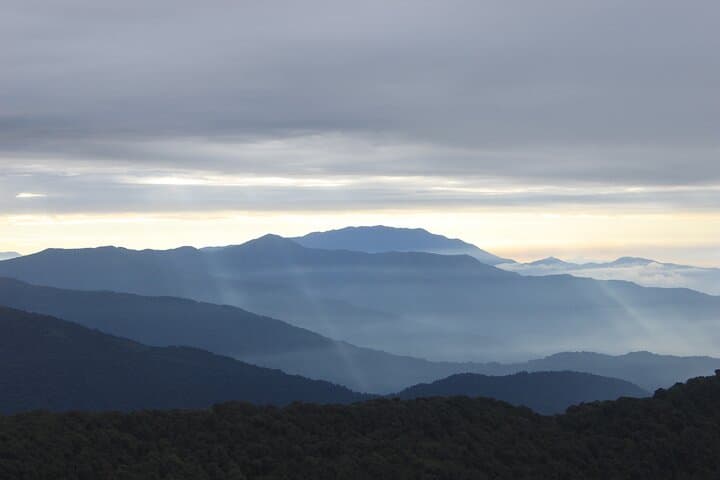
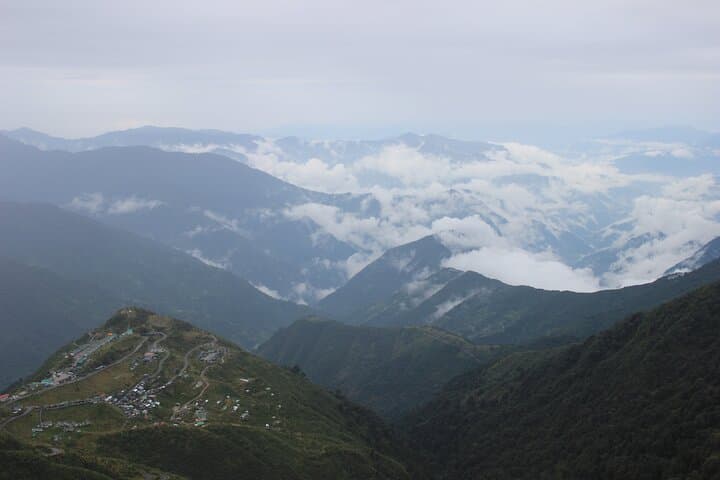
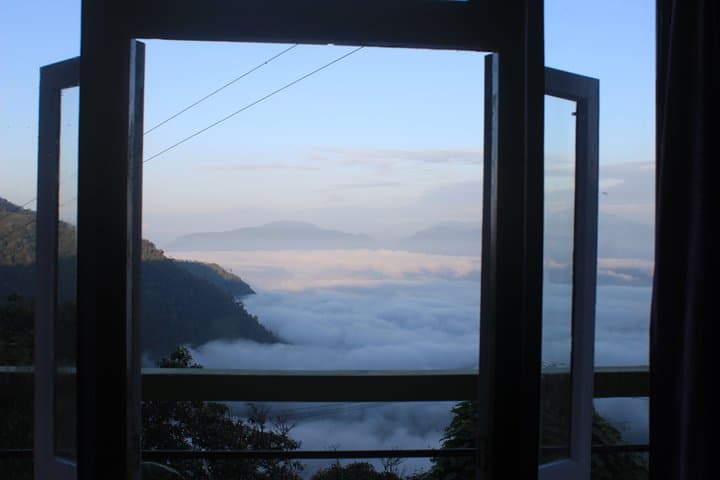
You arrive at Bagdogra airport under a low Himalayan sky and the road climbs immediately—first a river canyon, then terraced fields, then the bright prayer flags of Gangtok threading the hills. The first night’s light on M.G. Marg feels like a welcome: tea stalls, local handicrafts and a coolness that hints at altitude to come. Over the next five days the itinerary moves like a carefully plotted contour line from Gangtok’s Buddhist monasteries to the glassy oval of Tsomgo (Tsomgo) Lake and, later, the misty tea gardens and dawn chorus on Tiger Hill in Darjeeling.
You arrive at Bagdogra airport under a low Himalayan sky and the road climbs immediately—first a river canyon, then terraced fields, then the bright prayer flags of Gangtok threading the hills. The first night’s light on M.G. Marg feels like a welcome: tea stalls, local handicrafts and a coolness that hints at altitude to come. Over the next five days the itinerary moves like a carefully plotted contour line from Gangtok’s Buddhist monasteries to the glassy oval of Tsomgo (Tsomgo) Lake and, later, the misty tea gardens and dawn chorus on Tiger Hill in Darjeeling.
Geology and history sit close to the surface here. Tsomgo occupies a high glacial basin at about 3,780 m with an average depth near 50 feet; the area was sculpted by repeated ice and river action and now hosts seasonal migratory birds like the brahminy duck. Sikkim’s modern map is young — it joined India in 1975 — but its cultural layers run deep: Lepcha, Bhutia and Nepali traditions inform local festivals, monasteries and cuisine. Darjeeling, once a British hill station, owes its international reputation to slopes of camellia sinensis that were planted in the 19th century and still shape the region’s economy and views.
On the itinerary: private transfers from Bagdogra/NJP to Gangtok (expect 4–5 hours on mountain roads), a full-day excursion to Tsomgo Lake and Baba Mandir (another 17 km beyond the lake), an optional permited trip to Nathu La (permit fee and restrictions apply), and a transfer to Darjeeling for an early-morning ascent of Tiger Hill and visits to Batasia Loop, Ghoom Monastery, the Himalayan Mountaineering Institute and local markets.
Practical edge: altitude is the defining variable. Pack warm layers and sunscreen, expect cold mornings especially above 3,500 m, and plan light activity on day one to acclimatize. Cash matters — small vendors and hill taxis can be cash-only; ATMs exist but are unreliable in remote pockets. If you want Nathu La, arrange permits well in advance and budget for the surcharge (the tour notes an additional charge). Hotels listed are mid-range 3-star properties; private transportation and breakfast are included, so focus on preparing for the terrain and weather.
This trip balances accessible cultural sightseeing with alpine exposure. Move deliberately, drink water, and use your first day to let the hills do their work — slow down and you’ll be rewarded with sudden clearings: a dark lake reflecting a crag, a prayer wheel turning with the wind, and a dawn that turns the Kangchenjunga ridge gold.