THE ADVENTURE COLLECTIVE® · Independent discovery and booking for outdoor travel

A four-day guided push across Table Mountain’s famous skyline—106 km and 6,800 m of vertical gain—this challenge blends steep climbs, plateau running and Cape wine-country recovery. Ideal for fit hikers and trail runners seeking a supported multi-summit objective.
A four-day guided push across Table Mountain’s famous skyline—106 km and 6,800 m of vertical gain—this challenge blends steep climbs, plateau running and Cape wine-country recovery. Ideal for fit hikers and trail runners seeking a supported multi-summit objective.
A wind-blasted alarm at 04:30, boots already laced—Signal Hill wakes beneath a low, cold light and the Atlantic breathes salt into your lungs. Over four days the ridge-line will become a sequence of decisions: when to push, when to sip, when to let the view hold you. You move from the urban fringe up Lion's Head’s serrated spine, onto the flat, weather-carved plateau of Table Mountain and across lesser-known summits that stitch the Cape Peninsula into a single, demanding loop.
Verified experiences and guided adventures in the surrounding area.
Operated by Nyati-X · Cape Town, Western Cape
A wind-blasted alarm at 04:30, boots already laced—Signal Hill wakes beneath a low, cold light and the Atlantic breathes salt into your lungs. Over four days the ridge-line will become a sequence of decisions: when to push, when to sip, when to let the view hold you. You move from the urban fringe up Lion's Head’s serrated spine, onto the flat, weather-carved plateau of Table Mountain and across lesser-known summits that stitch the Cape Peninsula into a single, demanding loop.
Table Mountain is more than a skyline; it’s ancient sandstone folded by time, a hard, honey-colored rock that keeps its own weather. Indigenous Khoikhoi and San people knew these slopes long before sailors drew maps; later, colonial farms and the vineyards of Constantia rewrote access to the ridgelines. Today the park is a patchwork of fynbos — the low-scrub vegetation that, uniquely, thrives on nutrient-poor soils — and a magnet for climbers, hikers and runners who chase light and exposure.
Guides from Nyati_x run this 106 km, 6,800 m vertical-gain route over four days with full support: three nights’ lodging, meals, training plans in advance, and a few restorative detours for wine tasting and local culture. The team calibrates pace to your group—walkers and trail runners are both welcome—and stitches logistics so you can focus on the trail and the view.
Expect rough underfoot sections of compact sandstone, loose scree on descents, steep stair-like scrambles and exposed ridgelines that demand steady footing. The sun will press on you during summer; off-season days can be wind-sheared and quick to change. Guides monitor weather and fitness; the operator advises against travel for those with heart or spinal issues.
Practical approach: break the challenge into manageable daily objectives—early starts to catch cool air and clear light, midday refuels, and afternoon recovery. Hydration strategy matters: carry at least 2–3 liters per day and use electrolyte replenishment on long ascents. Good, broken-in boots or aggressive trail runners are essential; trekking poles help on steep descents. Layer for wind and sun—Cape fynbos offers little shade.
Beyond the exertion, this trip is thoughtfully social: shared meals, evening debriefs and a vineyard stop to taste the Cape’s classical blends. Whether you come to tick boxes or to measure your limits, the 13 Peaks Challenge turns the dramatic geography of Table Mountain National Park into a concentrated, four-day test of stamina and attention. Book with respect for the mountain: routes are susceptible to erosion, and the park’s microclimates reward flexible plans and patient pacing.
challenging.
4 days (approx. 8–12 hours of moving time per day).
You should have strong cardiovascular fitness and leg endurance—training plans are provided for preparation.
A good baseline of endurance (regular long hikes or runs) is required; guides provide pre-event training and adjust pace to the group.
Three nights’ accommodation, all meals and non-alcoholic beverages, guided support, and a wine-tasting visit are included.
The operator may cancel or re-route stages for safety—cancellation policy allows a full refund with 24-hour notice in many cases.
Beginners who commit to the provided training plan can join, but medical restrictions (heart/spinal issues) apply.
Guides carry group supplies and day packs are stocked; you’ll generally refill water and food at lodgings each evening.
Routes are steep and exposed at times but non-technical—expect scrambling and careful footwork, not rope work.
The mountain has long been a landmark for local Khoikhoi and San peoples and later for European sailors; Constantia vineyards nearby reflect the region’s colonial agricultural history.
Table Mountain National Park protects fragile fynbos; stick to boot-formed trails, avoid trampling vegetation and follow guide instructions to limit erosion.
Nyati-X operates guided outdoor trips and adventures with an emphasis on safety, stewardship, and memorable experiences.
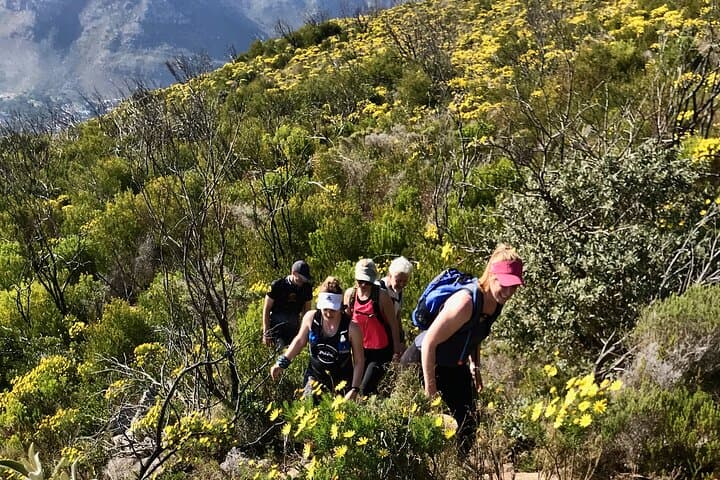
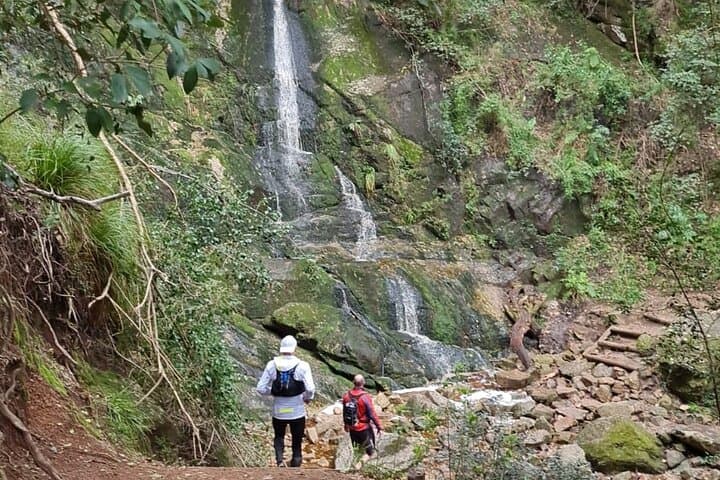
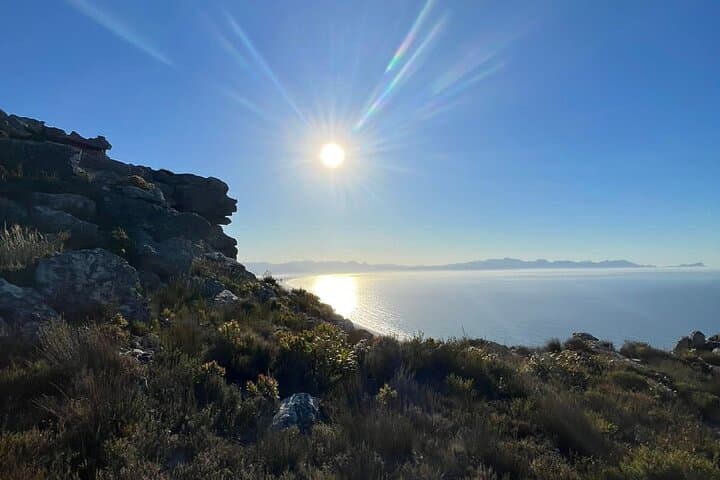
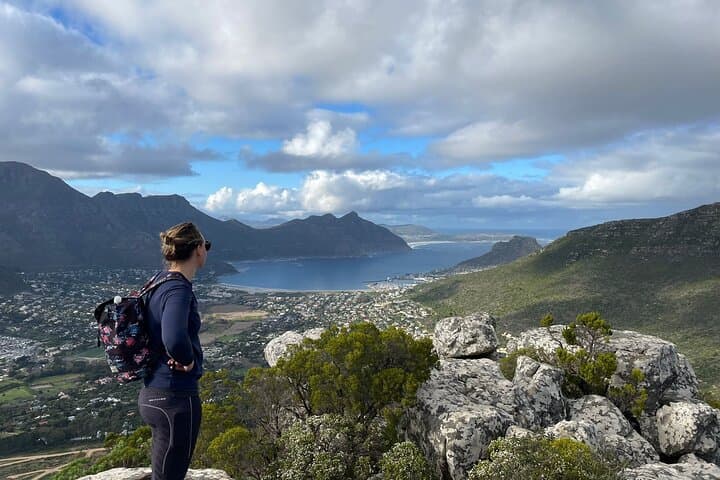
A wind-blasted alarm at 04:30, boots already laced—Signal Hill wakes beneath a low, cold light and the Atlantic breathes salt into your lungs. Over four days the ridge-line will become a sequence of decisions: when to push, when to sip, when to let the view hold you. You move from the urban fringe up Lion's Head’s serrated spine, onto the flat, weather-carved plateau of Table Mountain and across lesser-known summits that stitch the Cape Peninsula into a single, demanding loop.
A wind-blasted alarm at 04:30, boots already laced—Signal Hill wakes beneath a low, cold light and the Atlantic breathes salt into your lungs. Over four days the ridge-line will become a sequence of decisions: when to push, when to sip, when to let the view hold you. You move from the urban fringe up Lion's Head’s serrated spine, onto the flat, weather-carved plateau of Table Mountain and across lesser-known summits that stitch the Cape Peninsula into a single, demanding loop.
Table Mountain is more than a skyline; it’s ancient sandstone folded by time, a hard, honey-colored rock that keeps its own weather. Indigenous Khoikhoi and San people knew these slopes long before sailors drew maps; later, colonial farms and the vineyards of Constantia rewrote access to the ridgelines. Today the park is a patchwork of fynbos — the low-scrub vegetation that, uniquely, thrives on nutrient-poor soils — and a magnet for climbers, hikers and runners who chase light and exposure.
Guides from Nyati_x run this 106 km, 6,800 m vertical-gain route over four days with full support: three nights’ lodging, meals, training plans in advance, and a few restorative detours for wine tasting and local culture. The team calibrates pace to your group—walkers and trail runners are both welcome—and stitches logistics so you can focus on the trail and the view.
Expect rough underfoot sections of compact sandstone, loose scree on descents, steep stair-like scrambles and exposed ridgelines that demand steady footing. The sun will press on you during summer; off-season days can be wind-sheared and quick to change. Guides monitor weather and fitness; the operator advises against travel for those with heart or spinal issues.
Practical approach: break the challenge into manageable daily objectives—early starts to catch cool air and clear light, midday refuels, and afternoon recovery. Hydration strategy matters: carry at least 2–3 liters per day and use electrolyte replenishment on long ascents. Good, broken-in boots or aggressive trail runners are essential; trekking poles help on steep descents. Layer for wind and sun—Cape fynbos offers little shade.
Beyond the exertion, this trip is thoughtfully social: shared meals, evening debriefs and a vineyard stop to taste the Cape’s classical blends. Whether you come to tick boxes or to measure your limits, the 13 Peaks Challenge turns the dramatic geography of Table Mountain National Park into a concentrated, four-day test of stamina and attention. Book with respect for the mountain: routes are susceptible to erosion, and the park’s microclimates reward flexible plans and patient pacing.