You wake before dawn in Nairobi, coffee already cooling as the Land Cruiser climbs out of the city and into the Rift Valley light.
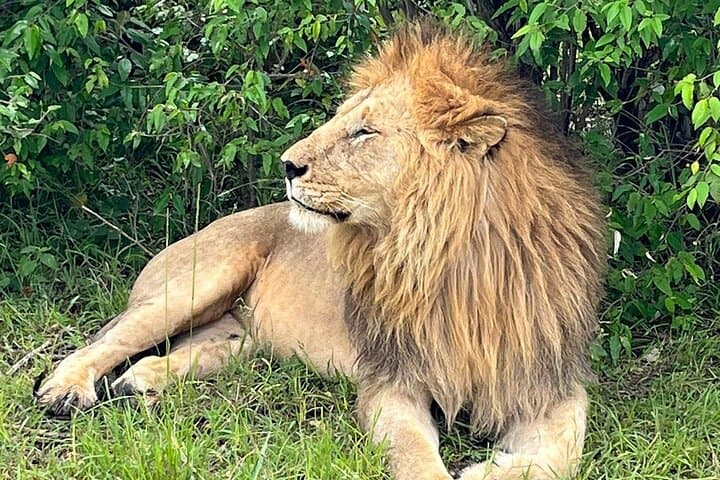
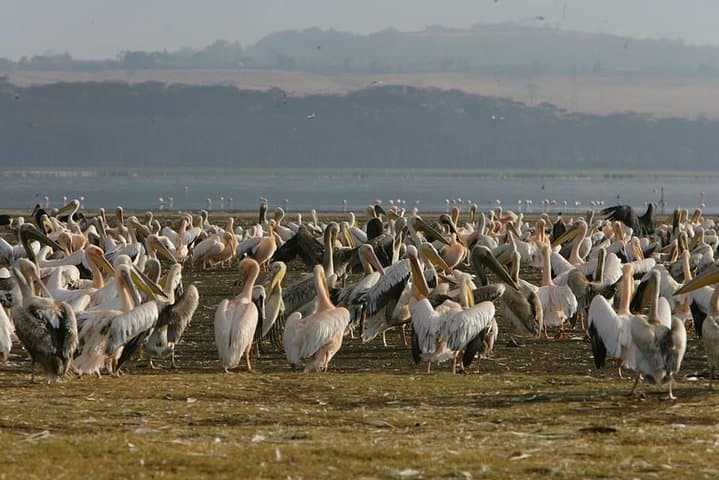
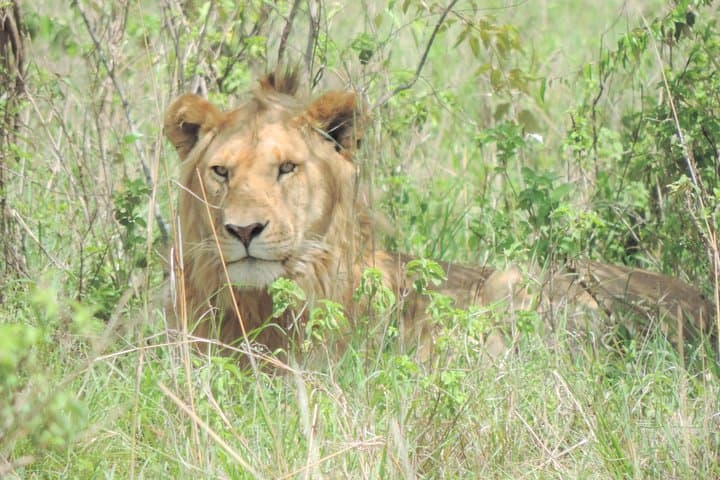
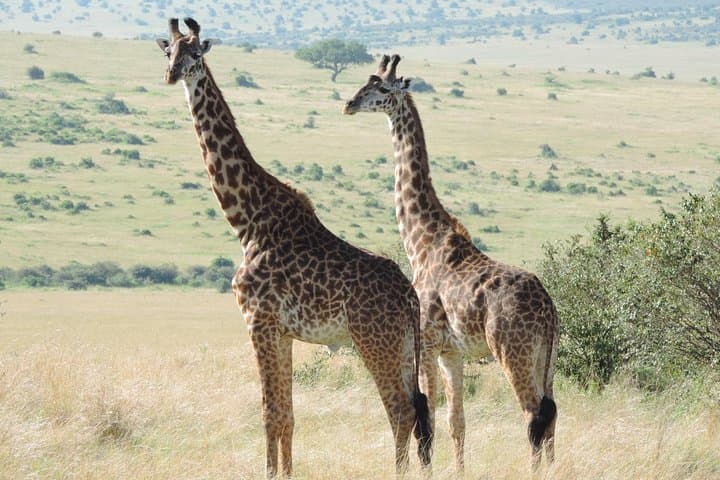
By midafternoon the lake’s rim appears: a pink band of flamingos at Lake Nakuru, water steaming in the heat and a band of acacia-dotted plains unfurling toward the Masai Mara. Vehicles scatter across grassland; a lion’s silhouette pauses on the horizon and the distant cry of a fish eagle insists you look up.
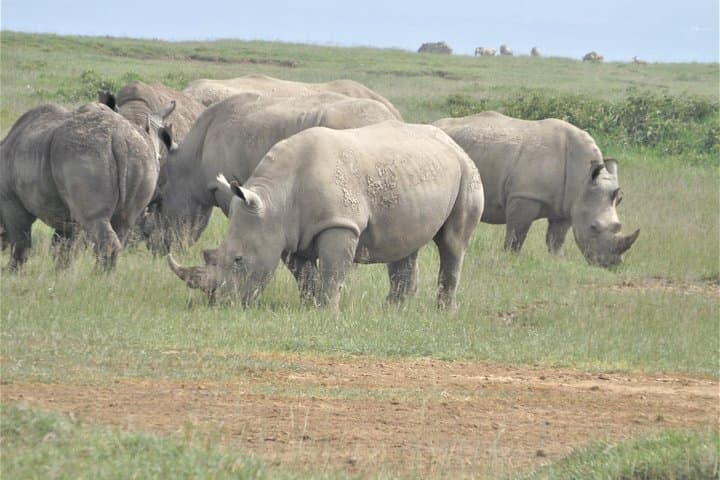
The route traces rifts carved by tectonic forces millions of years ago — alkaline lakes born from volcanic bowls and plains that feed one of the world’s great migrations. Lake Nakuru became a national park to protect flamingos and, more recently, a thriving rhino sanctuary; the Mara carries the name of the Maasai people, whose pastoral culture shapes much of the region’s human story.
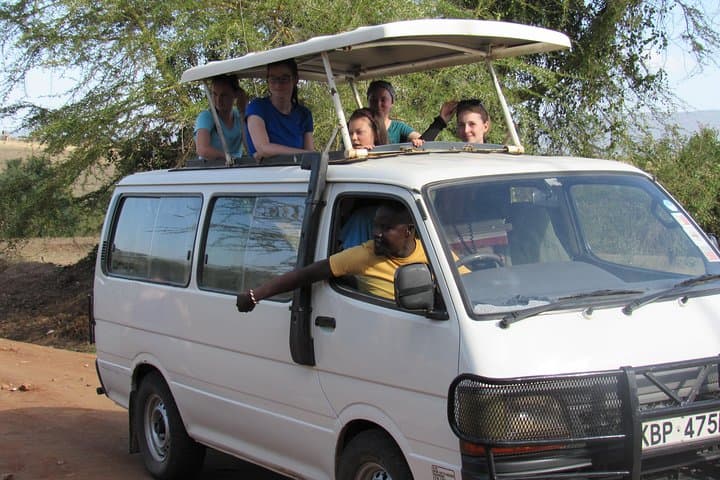
Expect long, purposeful days: early game drives when predators are active, picnic lunches by the Mara River, and the chance for a cultural visit to a Maasai village. Roads can be dusty or muddy depending on rains, so timing matters; the dry season concentrates wildlife and eases access.
Practicalities are straightforward — vehicle-based game viewing, modest walking, basic camps with full-board meals. Bring binoculars, a camera with a long lens, layered clothing for chilly mornings and strong sun in the afternoons, and be prepared to follow ranger guidance on distance and noise. With rhythm set to sunrise and scent of dust, this four-day loop delivers concentrated wildlife encounters and clear, practical logistics for first-time safari travelers.