THE ADVENTURE COLLECTIVE® · Independent discovery and booking for outdoor travel

A private, customizable four-day loop from Tokyo to Mount Fuji, Hakone, Yokohama and Kamakura—blending city culture, volcanic landscapes and coastal history with flexible hotel pickup and tailored pacing.
A private, customizable four-day loop from Tokyo to Mount Fuji, Hakone, Yokohama and Kamakura—blending city culture, volcanic landscapes and coastal history with flexible hotel pickup and tailored pacing.
You step out of a quiet Tokyo side street and the city exhales—lamps flick on, vending machines hum, and the skyline tightens into neon. This private four-day loop pulls that urban pulse along a surprisingly varied corridor: from Shinto gates and temple bells to the raw, cold geometry of Mount Fuji and the steam-laced valleys of Hakone.
Verified experiences and guided adventures in the surrounding area.
Operated by osakatravel · Tokyo, Tokyo
You step out of a quiet Tokyo side street and the city exhales—lamps flick on, vending machines hum, and the skyline tightens into neon. This private four-day loop pulls that urban pulse along a surprisingly varied corridor: from Shinto gates and temple bells to the raw, cold geometry of Mount Fuji and the steam-laced valleys of Hakone.
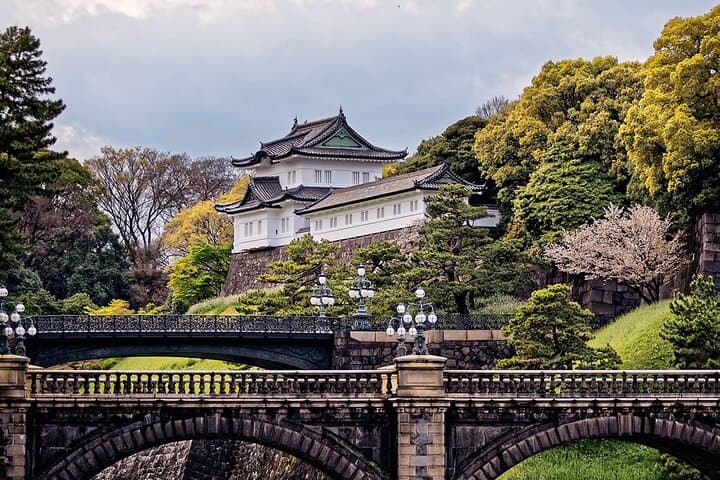
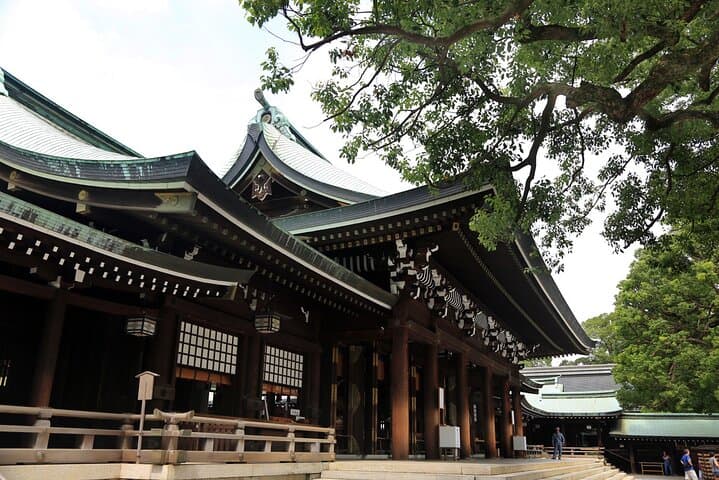
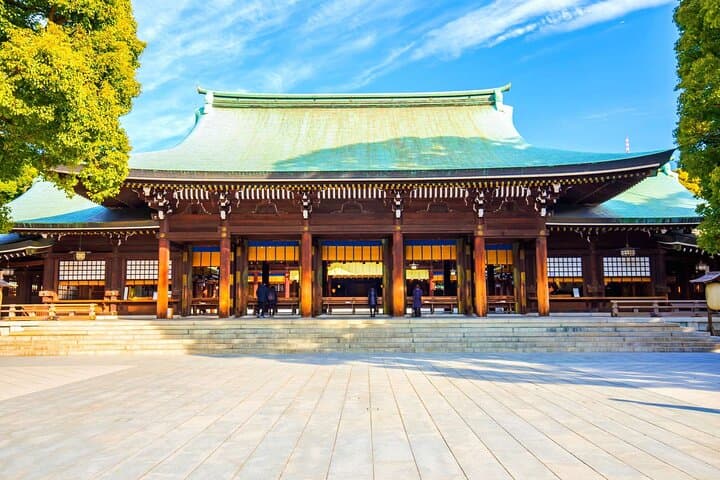
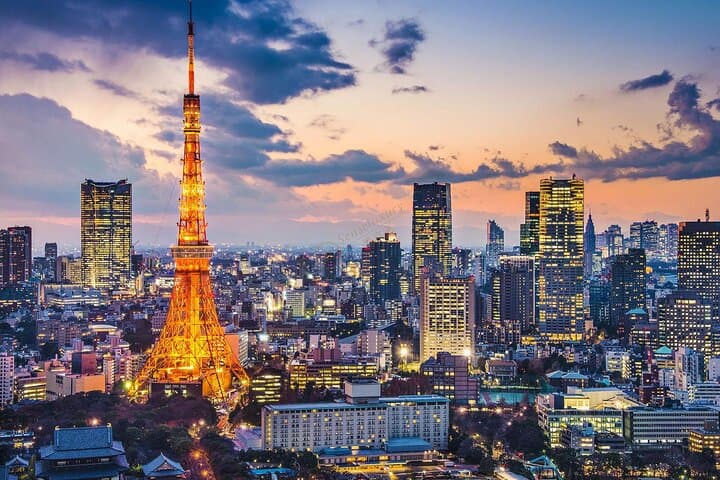
Day one reads like a primer to Tokyo’s layers: Asakusa’s Kaminarimon announces history with a single lantern swing; Meiji Shrine offers a surprising stand of pines where city noise goes polite. The tour operator folds in Ueno’s museum gardens and a climb up Tokyo Skytree for a full-city panorama—an orientation that shows why Tokyo feels both immediate and vast.
The second day reorients toward Fuji’s gravity. From the 5th Station—sitting around 2,300 meters—you get a textbook view of Fuji’s cone, a geological record of repeated eruptions, glacial shaping and ash layers. Nearby Oshino Hakkai’s spring-fed ponds clear the view: water here is filtered through volcanic strata and looks as precise as glass.
Hakone on day three is geothermal and maritime at once. Owakudani huffs sulfur vents and serves black-egged snacks cooked in steam. Lake Ashi’s calm water reflects torii gates and, if conditions cooperate, Fuji as a watchful guest. The open-air museum stitches art to slope, making sculpture feel like landscape architecture.
The final day slows in Kamakura and Yokohama: a 13-meter Buddha that has stood through centuries of tide and earthquake, a ramen museum that condenses regional Japan into a bowl, and Yokohama’s brick warehouses that pivot from trade past to café present.
Practical edge: this is a customizable, private vehicle tour with hotel pickup across Tokyo’s 23 wards. Expect long travel segments—days include multiple short walks (15–60 minutes each) and photos stops; the schedule can be adjusted en route. Bring layers for temperature swings (Tokyo’s lowlands vs. Fuji’s 5th Station), and plan clear-weather contingency for mountain viewing—Fuji disappears into cloud more often than not.
Culturally, guides can help with shrine etiquette, regional food recommendations and train logistics should you want to continue independently after the tour. Environmentally, stick to marked paths at beaches, parks and vent fields—these landscapes are fragile and heavily visited.
For travelers who like structure with flexibility, this four-day private loop is a compact sampler: urban culture, volcanic geology, hot-spring hush and coastal heritage, all linked by a driver who adapts the route to what you want to see.
moderate.
4 days (full days).
Suitable for travelers who can manage several short walks and stairs throughout each day; no long-distance hiking required.
Admission fees to paid attractions are generally not included; your private driver will confirm which sites have separate tickets.
Yes—the tour is customizable and the operator allows adjustments en route to accommodate weather, crowds, or interests.
Pickup is provided across Tokyo’s 23 wards; provide your hotel or meeting point and confirm pickup time in advance.
Expect multiple driving segments per day; typical travel time ranges from 1–3 hours between major stops, with shorter transfers between nearby attractions.
The operator lists wheelchair-accessible options, but accessibility at historic sites varies—notify the provider of specific needs when booking.
Clear views are most common in late autumn and winter (October–February), but colder temps and possible snow should be considered.
Kamakura was Japan’s political center in the 12th–14th centuries and preserves architecture and statues from that era, while Yokohama’s port opened Japan to international trade in the 19th century.
High visitation pressures require staying on marked paths, especially around Owakudani and Lake Ashi; avoid feeding wildlife and carry out trash.
osakatravel operates guided outdoor trips and adventures with an emphasis on safety, stewardship, and memorable experiences.
You step out of a quiet Tokyo side street and the city exhales—lamps flick on, vending machines hum, and the skyline tightens into neon. This private four-day loop pulls that urban pulse along a surprisingly varied corridor: from Shinto gates and temple bells to the raw, cold geometry of Mount Fuji and the steam-laced valleys of Hakone.
You step out of a quiet Tokyo side street and the city exhales—lamps flick on, vending machines hum, and the skyline tightens into neon. This private four-day loop pulls that urban pulse along a surprisingly varied corridor: from Shinto gates and temple bells to the raw, cold geometry of Mount Fuji and the steam-laced valleys of Hakone.
Day one reads like a primer to Tokyo’s layers: Asakusa’s Kaminarimon announces history with a single lantern swing; Meiji Shrine offers a surprising stand of pines where city noise goes polite. The tour operator folds in Ueno’s museum gardens and a climb up Tokyo Skytree for a full-city panorama—an orientation that shows why Tokyo feels both immediate and vast.
The second day reorients toward Fuji’s gravity. From the 5th Station—sitting around 2,300 meters—you get a textbook view of Fuji’s cone, a geological record of repeated eruptions, glacial shaping and ash layers. Nearby Oshino Hakkai’s spring-fed ponds clear the view: water here is filtered through volcanic strata and looks as precise as glass.
Hakone on day three is geothermal and maritime at once. Owakudani huffs sulfur vents and serves black-egged snacks cooked in steam. Lake Ashi’s calm water reflects torii gates and, if conditions cooperate, Fuji as a watchful guest. The open-air museum stitches art to slope, making sculpture feel like landscape architecture.
The final day slows in Kamakura and Yokohama: a 13-meter Buddha that has stood through centuries of tide and earthquake, a ramen museum that condenses regional Japan into a bowl, and Yokohama’s brick warehouses that pivot from trade past to café present.
Practical edge: this is a customizable, private vehicle tour with hotel pickup across Tokyo’s 23 wards. Expect long travel segments—days include multiple short walks (15–60 minutes each) and photos stops; the schedule can be adjusted en route. Bring layers for temperature swings (Tokyo’s lowlands vs. Fuji’s 5th Station), and plan clear-weather contingency for mountain viewing—Fuji disappears into cloud more often than not.
Culturally, guides can help with shrine etiquette, regional food recommendations and train logistics should you want to continue independently after the tour. Environmentally, stick to marked paths at beaches, parks and vent fields—these landscapes are fragile and heavily visited.
For travelers who like structure with flexibility, this four-day private loop is a compact sampler: urban culture, volcanic geology, hot-spring hush and coastal heritage, all linked by a driver who adapts the route to what you want to see.