THE ADVENTURE COLLECTIVE® · Independent discovery and booking for outdoor travel

A private, four-day circuit through Cape Town’s highlights: ferry to Robben Island, cable car to Table Mountain, scenic Chapman’s Peak drive, a Big Five safari day and cellar tastings in the Winelands. Practical, interpretive, and paced for discovery.
A private, four-day circuit through Cape Town’s highlights: ferry to Robben Island, cable car to Table Mountain, scenic Chapman’s Peak drive, a Big Five safari day and cellar tastings in the Winelands. Practical, interpretive, and paced for discovery.
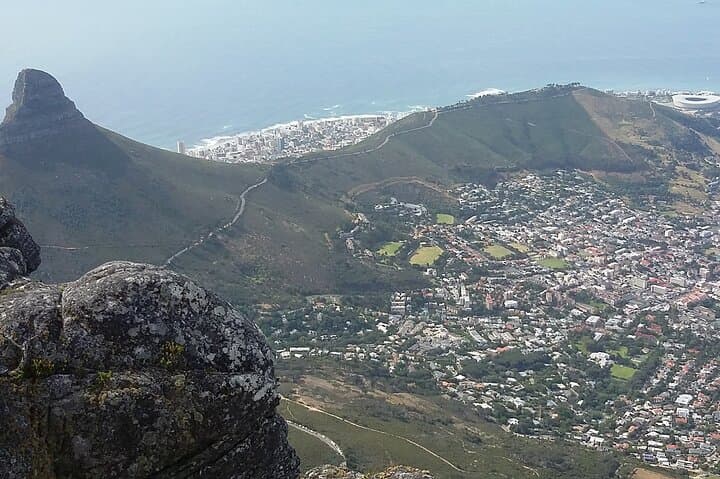
Morning light slices the Atlantic at the V&A Waterfront and the city exhales: a ferry bell, a sea-spray breeze, and the rounded silhouette of Table Mountain rising like an old guard above Cape Town. On a private four-day circuit, travelers move at the city’s measured pace—ferries to Robben Island, a cable car spin up Table Mountain’s 1,067‑metre flank, a coastal drive along Chapman's Peak with its 114 hairpin curves, and slow tastings in Stellenbosch and Franschhoek vineyards.
Verified experiences and guided adventures in the surrounding area.
Operated by african macaw dmc and Safaris · Cape Town, Western Cape
Morning light slices the Atlantic at the V&A Waterfront and the city exhales: a ferry bell, a sea-spray breeze, and the rounded silhouette of Table Mountain rising like an old guard above Cape Town. On a private four-day circuit, travelers move at the city’s measured pace—ferries to Robben Island, a cable car spin up Table Mountain’s 1,067‑metre flank, a coastal drive along Chapman's Peak with its 114 hairpin curves, and slow tastings in Stellenbosch and Franschhoek vineyards.
This itinerary stitches together geology, ecology and history. Table Mountain’s flat crown is sandstone and quartzite carved over millions of years; the Cape Peninsula is where the cold Benguela and warm Agulhas currents meet, churning nutrients that support penguins, whales and kelp forests. Human history is layered here too: Khoi peoples first mapped the bays, the Dutch East India Company established a provisioning post in the 17th century, and Robben Island later became a prison whose cells held Nelson Mandela—today a World Heritage site and a lived lesson in South Africa’s journey from colonial trade hub to democracy.
Days are deliberate. Day one focuses on city highlights—Company’s Garden, Castle of Good Hope and the South African Museum—ending with a ferry to Robben Island (about 11 km, 40–45 minutes each way). Day two traces the peninsula: Clifton and Camps Bay beaches, Hout Bay harbour, Chapman’s Peak viewpoint, Boulders Beach’s African penguin colony, and the Cape Point Nature Reserve where the cliffs meet two ocean currents. Day three stretches inland for a 2–3 hour drive to Aquila for an afternoon safari and the chance at the big five on a private game drive. Day four loosens the pace in the winelands with cellar tours, a motor museum stop, and tasting flights across Franschhoek and Stellenbosch.
Practicalities are straightforward: private pickup from hotels, the cruise terminal or the airport; an air‑conditioned vehicle; most park entrances included. Weather can change fast—Table Mountain’s cable car occasionally closes in high wind—so the private format flexes the schedule. For wine lovers, the tour includes two estates and tasting flights (five glasses across two estates). Bring layered clothing, sunscreen and sturdy shoes; expect walking on cobbles, boardwalks and short trails.
The tour balances spectacle and context—wildlife encounters, coastal geology and deep history—making it a compact, interpretive way to understand the Cape’s complex landscapes and cultures while leaving room for the small discoveries that make a trip memorable.
moderate.
4 days.
Moderate—suitable for travellers who can manage short hikes, walking tours and multi-hour vehicle transfers.
Robben Island ferry tickets are arranged through the itinerary—guests may need to pay the ferry fee on day one as specified; Table Mountain cable car tickets are typically included when weather and availability permit.
Yes—this private tour welcomes families and offers infant seats; some activities include short walks and ferry rides that are family‑friendly.
No specialized fitness is required for the Aquila game drive; expect up to 2–3 hours of gentle game‑drive time and a buffet lunch with terrace relaxation.
Private pickup is provided from hotels, the airport or cruise terminal—meet your guide in the arrivals or visitor waiting lounge with a name board; plan to be ready about 20 minutes before departure.
Yes—Boulders Beach hosts African penguins year‑round; whale sightings (southern right whales) are most common in winter (June–Nov) off the False Bay coast but are not guaranteed.
For a full refund cancel at least 24 hours before departure; cancellations inside 24 hours are non‑refundable per the standard policy.
The Cape’s story spans Khoi indigenous coastal communities, the 17th‑century Dutch provisioning station, VOC trade routes, and Robben Island’s role in the anti‑apartheid struggle culminating in democratic transition.
The Cape Floristic Region (fynbos) is globally important and fragile; respect trails, avoid collecting plants and support penguin rehabilitation and invasive‑species removal efforts when possible.
african macaw dmc and Safaris operates guided outdoor trips and adventures with an emphasis on safety, stewardship, and memorable experiences.
Morning light slices the Atlantic at the V&A Waterfront and the city exhales: a ferry bell, a sea-spray breeze, and the rounded silhouette of Table Mountain rising like an old guard above Cape Town. On a private four-day circuit, travelers move at the city’s measured pace—ferries to Robben Island, a cable car spin up Table Mountain’s 1,067‑metre flank, a coastal drive along Chapman's Peak with its 114 hairpin curves, and slow tastings in Stellenbosch and Franschhoek vineyards.
Morning light slices the Atlantic at the V&A Waterfront and the city exhales: a ferry bell, a sea-spray breeze, and the rounded silhouette of Table Mountain rising like an old guard above Cape Town. On a private four-day circuit, travelers move at the city’s measured pace—ferries to Robben Island, a cable car spin up Table Mountain’s 1,067‑metre flank, a coastal drive along Chapman's Peak with its 114 hairpin curves, and slow tastings in Stellenbosch and Franschhoek vineyards.
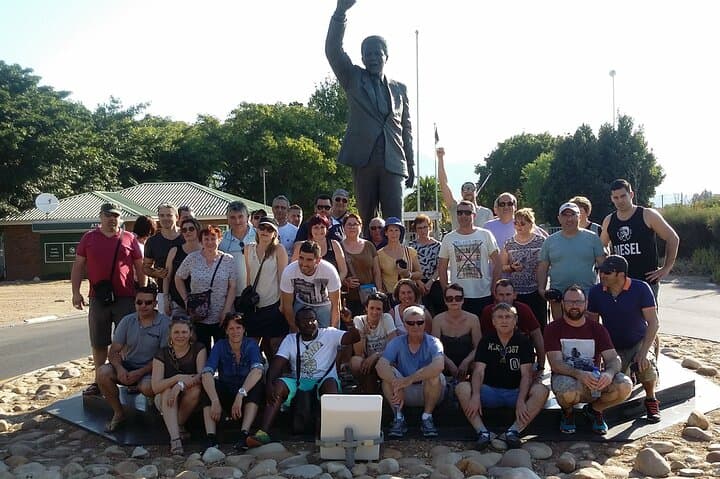
This itinerary stitches together geology, ecology and history. Table Mountain’s flat crown is sandstone and quartzite carved over millions of years; the Cape Peninsula is where the cold Benguela and warm Agulhas currents meet, churning nutrients that support penguins, whales and kelp forests. Human history is layered here too: Khoi peoples first mapped the bays, the Dutch East India Company established a provisioning post in the 17th century, and Robben Island later became a prison whose cells held Nelson Mandela—today a World Heritage site and a lived lesson in South Africa’s journey from colonial trade hub to democracy.
Days are deliberate. Day one focuses on city highlights—Company’s Garden, Castle of Good Hope and the South African Museum—ending with a ferry to Robben Island (about 11 km, 40–45 minutes each way). Day two traces the peninsula: Clifton and Camps Bay beaches, Hout Bay harbour, Chapman’s Peak viewpoint, Boulders Beach’s African penguin colony, and the Cape Point Nature Reserve where the cliffs meet two ocean currents. Day three stretches inland for a 2–3 hour drive to Aquila for an afternoon safari and the chance at the big five on a private game drive. Day four loosens the pace in the winelands with cellar tours, a motor museum stop, and tasting flights across Franschhoek and Stellenbosch.
Practicalities are straightforward: private pickup from hotels, the cruise terminal or the airport; an air‑conditioned vehicle; most park entrances included. Weather can change fast—Table Mountain’s cable car occasionally closes in high wind—so the private format flexes the schedule. For wine lovers, the tour includes two estates and tasting flights (five glasses across two estates). Bring layered clothing, sunscreen and sturdy shoes; expect walking on cobbles, boardwalks and short trails.
The tour balances spectacle and context—wildlife encounters, coastal geology and deep history—making it a compact, interpretive way to understand the Cape’s complex landscapes and cultures while leaving room for the small discoveries that make a trip memorable.