THE ADVENTURE COLLECTIVE® · Independent discovery and booking for outdoor travel

Leave Milan for four days of historic palaces, hilltop vineyards and Alba’s famous truffles. This small-group tour pairs curated tastings with visits to Turin, Barolo and the Aosta Valley for a concentrated introduction to Piedmont’s food, wine and alpine scenery.
Leave Milan for four days of historic palaces, hilltop vineyards and Alba’s famous truffles. This small-group tour pairs curated tastings with visits to Turin, Barolo and the Aosta Valley for a concentrated introduction to Piedmont’s food, wine and alpine scenery.
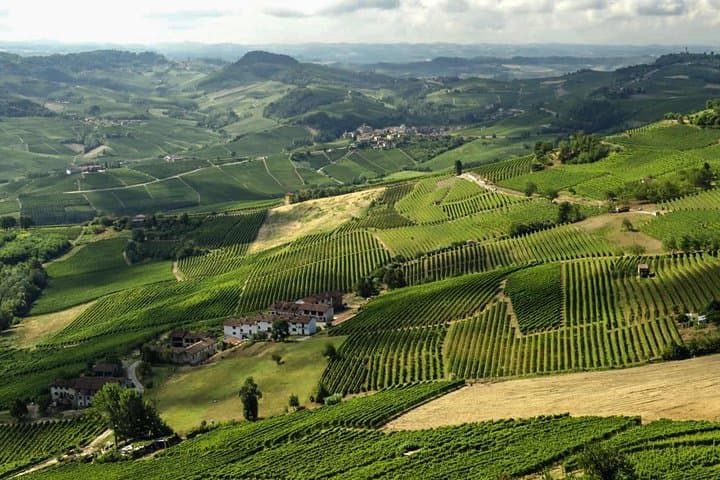
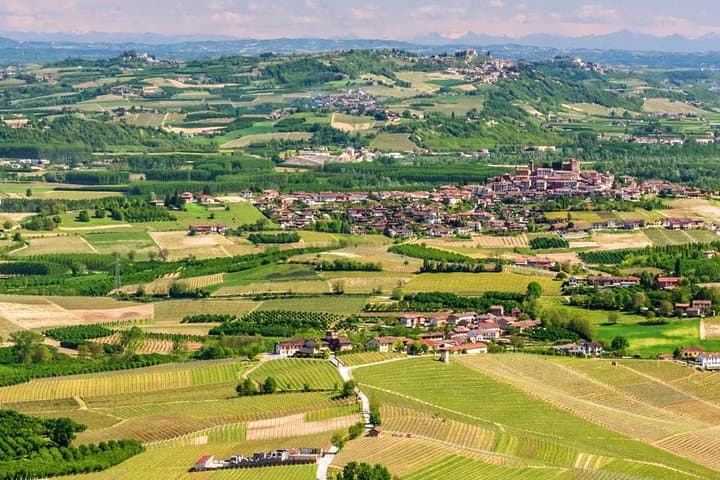
You step onto the coach in Milan at 8:15 a.m., the city already shrugging off its morning calm as roofs and piazzas slide past the window. Within an hour the skyline thins and the road threads into a patchwork of low, rippling hills—the Monferrato and Langhe rising like painted waves—vineyards fanning across slopes that will host Barolo and Barbera in a few seasons’ cycles. The tour moves at a deliberate, tactile pace: a sanctuary clinging to a hill, a centuries-old cellar, the low, heady earth where Alba’s white truffles hide.
Verified experiences and guided adventures in the surrounding area.
Operated by Europeando Europa srl · Milan, Lombardy
You step onto the coach in Milan at 8:15 a.m., the city already shrugging off its morning calm as roofs and piazzas slide past the window. Within an hour the skyline thins and the road threads into a patchwork of low, rippling hills—the Monferrato and Langhe rising like painted waves—vineyards fanning across slopes that will host Barolo and Barbera in a few seasons’ cycles. The tour moves at a deliberate, tactile pace: a sanctuary clinging to a hill, a centuries-old cellar, the low, heady earth where Alba’s white truffles hide.
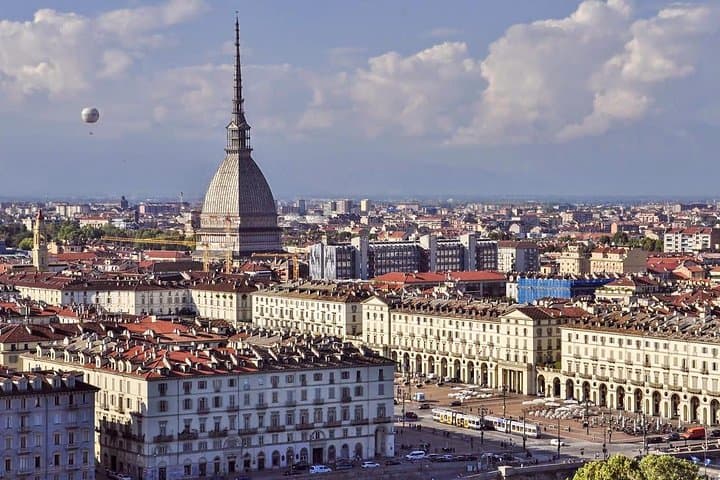
Piedmont is where Italy’s political and gastronomic stories cross. On this four-day loop you trace threads of unification under the House of Savoy—Turin’s palaces and the basilica on Superga stand as architectural footnotes to a country being stitched together in the 19th century. Geologically the region is a meeting ground: the Po plain to the east, the ballistic thrust of the Alps to the northwest, and the rolling, marl-rich hills of the Langhe that make for vineyards with sharp drainage and intense, mineral-driven wines.
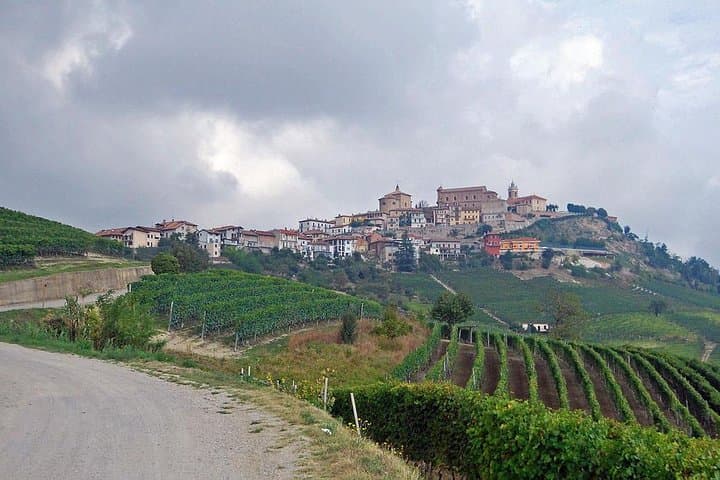
Days are arranged around sensory anchors: a guided visit to Venaria Reale (entrance included), a barrel room tasting of Barolo in La Morra, a truffle tasting in Alba that explains why foragers prize the region’s calcareous soil, and a sweeping drive up toward Courmayeur and Aosta where Mont Blanc crowns the horizon. Stops include medieval Fenis Castle and Roman Aosta—reminders that Piedmont’s stories are layered and long.
The practical framing is straightforward: small groups (max 15), travel by air-conditioned minivan, three nights in 4–5 star hotels in Turin, and most admissions and tastings organized for you. Physical demand is moderate—city walking, uneven cobbles in village centers, short vineyard paths—so bring good shoes and expect light uphill sections with elevation changes usually within a few hundred meters.
Timing matters: truffle season peaks in autumn, and mountain weather can flip quickly near Courmayeur—pack a warm layer even in summer. The tour is wheelchair accessible in many places but check specific site access if mobility is a concern. Passport details are required at booking; dress code is smart casual for tastings and palaces.
By the final day you’ll have shifted gears from urban Milan to alpine light, from the tannic complexity of Barolo to the sharp, perfume of freshly shaved truffle. It’s not a race but a curated sequence of tastes, views, and cultural touchstones that gives a clear, sensory introduction to Piedmont—its history, its geology, and the seasonal rituals that shape what’s on the plate and in the glass.
moderate.
4 days.
Moderately fit: able to handle several short walks each day, stairs and uneven surfaces
The tour includes 3 nights accommodation, breakfast, transport by air‑conditioned minivan, guided visits with some admissions (Venaria Reale), a Barolo wine tasting and a white truffle tasting in Alba.
The tour meets in a central Milan hotel lobby at 8:15 a.m. on day one and returns to the same general area on day four.
The operator notes wheelchair accessibility in many parts of the itinerary, but access can vary by site—contact the provider with specific mobility needs before booking.
White truffle season peaks in autumn (October–December). Black truffles appear at different times; check the specific departure for truffle-focused experiences.
Walking is light to moderate: short town walks, castle steps, and easy vineyard routes—nothing technical but expect uneven terrain.
Tipping is not included; customary practice is to tip the guide/driver if you enjoyed the service—about 5–10% of the tour price or a few euros per person per day is common.
Piedmont was central to Italian unification under the Savoy dynasty; Turin served as Italy’s first capital and many regional palaces reflect that political legacy.
Vineyard management and truffle harvesting are increasingly sensitive to soil health and forest preservation; support wineries practicing sustainable viticulture and avoid off-trail foraging.
Europeando Europa srl operates guided outdoor trips and adventures with an emphasis on safety, stewardship, and memorable experiences.
You step onto the coach in Milan at 8:15 a.m., the city already shrugging off its morning calm as roofs and piazzas slide past the window. Within an hour the skyline thins and the road threads into a patchwork of low, rippling hills—the Monferrato and Langhe rising like painted waves—vineyards fanning across slopes that will host Barolo and Barbera in a few seasons’ cycles. The tour moves at a deliberate, tactile pace: a sanctuary clinging to a hill, a centuries-old cellar, the low, heady earth where Alba’s white truffles hide.
You step onto the coach in Milan at 8:15 a.m., the city already shrugging off its morning calm as roofs and piazzas slide past the window. Within an hour the skyline thins and the road threads into a patchwork of low, rippling hills—the Monferrato and Langhe rising like painted waves—vineyards fanning across slopes that will host Barolo and Barbera in a few seasons’ cycles. The tour moves at a deliberate, tactile pace: a sanctuary clinging to a hill, a centuries-old cellar, the low, heady earth where Alba’s white truffles hide.
Piedmont is where Italy’s political and gastronomic stories cross. On this four-day loop you trace threads of unification under the House of Savoy—Turin’s palaces and the basilica on Superga stand as architectural footnotes to a country being stitched together in the 19th century. Geologically the region is a meeting ground: the Po plain to the east, the ballistic thrust of the Alps to the northwest, and the rolling, marl-rich hills of the Langhe that make for vineyards with sharp drainage and intense, mineral-driven wines.
Days are arranged around sensory anchors: a guided visit to Venaria Reale (entrance included), a barrel room tasting of Barolo in La Morra, a truffle tasting in Alba that explains why foragers prize the region’s calcareous soil, and a sweeping drive up toward Courmayeur and Aosta where Mont Blanc crowns the horizon. Stops include medieval Fenis Castle and Roman Aosta—reminders that Piedmont’s stories are layered and long.
The practical framing is straightforward: small groups (max 15), travel by air-conditioned minivan, three nights in 4–5 star hotels in Turin, and most admissions and tastings organized for you. Physical demand is moderate—city walking, uneven cobbles in village centers, short vineyard paths—so bring good shoes and expect light uphill sections with elevation changes usually within a few hundred meters.
Timing matters: truffle season peaks in autumn, and mountain weather can flip quickly near Courmayeur—pack a warm layer even in summer. The tour is wheelchair accessible in many places but check specific site access if mobility is a concern. Passport details are required at booking; dress code is smart casual for tastings and palaces.
By the final day you’ll have shifted gears from urban Milan to alpine light, from the tannic complexity of Barolo to the sharp, perfume of freshly shaved truffle. It’s not a race but a curated sequence of tastes, views, and cultural touchstones that gives a clear, sensory introduction to Piedmont—its history, its geology, and the seasonal rituals that shape what’s on the plate and in the glass.