THE ADVENTURE COLLECTIVE® · Independent discovery and booking for outdoor travel

A four-day guided climb of Mount Meru from Arusha mixes wildlife-rich treks through Arusha National Park with a midnight summit push. Expect cloud forest, panoramic summit views toward Kilimanjaro, and a physically demanding but non-technical route ideal for fit hikers.
A four-day guided climb of Mount Meru from Arusha mixes wildlife-rich treks through Arusha National Park with a midnight summit push. Expect cloud forest, panoramic summit views toward Kilimanjaro, and a physically demanding but non-technical route ideal for fit hikers.
The morning air in Arusha tastes like coffee and diesel; by noon it’s the green, humid breath of the forest that follows you up the mountain. On day one the track slips from dusty road into Arusha National Park, and the climb begins alongside the Ngarenanyuki River. Buffalo shake off flies in the shade, giraffe heads appear between fever trees, and the path, at first gentle, tightens into a steady ascent toward Miriakamba Hut.
Verified experiences and guided adventures in the surrounding area.
Operated by MERU SLOPES TOURS AND SAFARIS · Arusha, Arusha Region
The morning air in Arusha tastes like coffee and diesel; by noon it’s the green, humid breath of the forest that follows you up the mountain. On day one the track slips from dusty road into Arusha National Park, and the climb begins alongside the Ngarenanyuki River. Buffalo shake off flies in the shade, giraffe heads appear between fever trees, and the path, at first gentle, tightens into a steady ascent toward Miriakamba Hut.
Mount Meru is a volcanic spine—its crater rim rises to about 4,562 m—set close enough to Kilimanjaro that, on a clear day, Kilimanjaro’s snow dome peers over the shoulder of Meru like an old friend. Meru’s slopes are geologically young; cinder and basalt create steep scree and fertile ridges that feed a surprising range of habitats: grasslands and acacia scrub at lower elevations, a moss-draped cloud forest in the mid-band, and alpine moorland higher up.
The mountain has been a landmark for local communities, colonial explorers, and the Maasai long before it drew international climbers. Its paths still thread through places where guides point out old hunter camps and shrines; conservation efforts here balance tourism with protection of the park’s resident elephant and black-and-white colobus populations.
The itinerary is practical and purposeful: three nights in mountain huts, an overnight summit push and a final descent through the cloud forest to Momela Gate. Distances vary by day; expect 7–12 km of hiking per day with cumulative elevation gain of roughly 3,000–3,200 m from trailhead to summit. The midnight start for the summit is deliberate—hikers ascend under headlamp beams, the cold air pricking lungs already taxed by altitude. The summit rewards patience: a full 360° sweep of the northern Tanzanian plains and, if weather allows, Kilimanjaro’s peak catching first light.
This is not a technical climb—no ropes or crampons required—but it demands fitness, altitude awareness, and respect for the mountain’s shifting weather. Guides and porters handle logistics; emergency oxygen is carried on the tour, and permits are part of the permit-included price.
Practical notes: train on sustained uphill walks and long days with a loaded pack; use a reliable waterproof jacket and broken-in hiking boots; pack snacks high in calories for summit night. Start your climb in the early dry season (June–October) for the best visibility, and allow extra time in the rainy months when trails turn to mud.
By the last afternoon, when the van drops you back in Arusha, the city feels the same but you don’t—you return slower, taller in spirit, carrying the plain’s wide light and the mountain’s persistent quiet.
challenging.
4 days.
Good to excellent aerobic fitness; able to hike 6–10 hours with a daypack and manage steep ascents at altitude.
No technical climbing experience is required; the route is a strenuous hike. Strong fitness and prior long-day hiking experience are recommended.
Mount Meru’s summit is about 4,562 m (14,968 ft); total elevation gain from gate to summit is roughly 3,000–3,200 m depending on the trailhead used.
Yes—acute mountain sickness can affect anyone. Guides monitor pace, offer rest, and the operator carries emergency oxygen; communicate symptoms early.
Three nights in mountain huts (Miriakamba and Saddle Hut), and all breakfasts, lunches and dinners on the trek are included per the itinerary.
The main dry season (June–October) has the most stable weather and best summit visibility; avoid the long rains (March–May) if possible.
Yes—this private tour includes park fees, an experienced mountain guide, porters, transfers, and emergency oxygen as listed in the inclusions.
Mount Meru is a young volcanic cone near Arusha and has long been part of local Maasai landscapes; colonial explorers later mapped its slopes for scientific and hunting expeditions.
Arusha National Park manages visitor numbers and enforces strict park rules; support local guides and avoid single-use plastics to minimize impact.
MERU SLOPES TOURS AND SAFARIS operates guided outdoor trips and adventures with an emphasis on safety, stewardship, and memorable experiences.
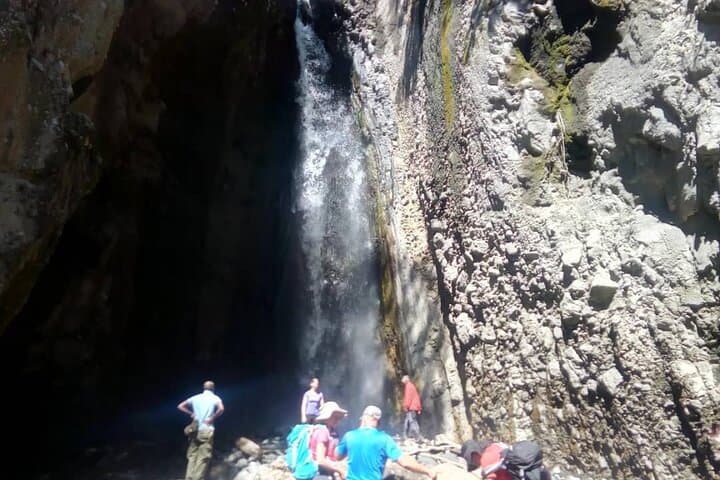
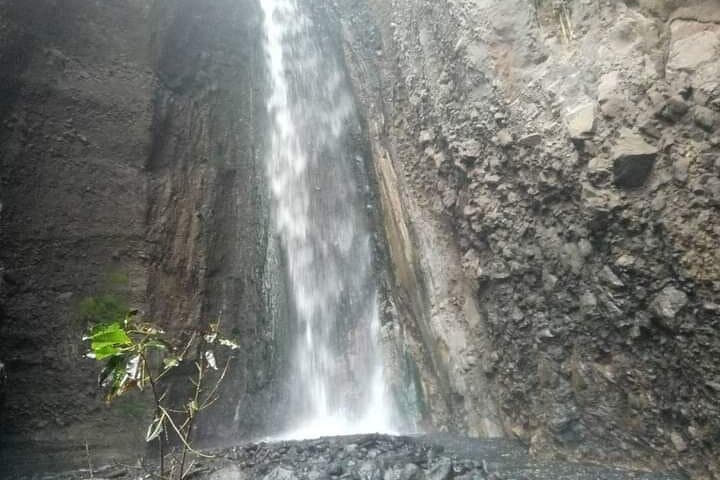
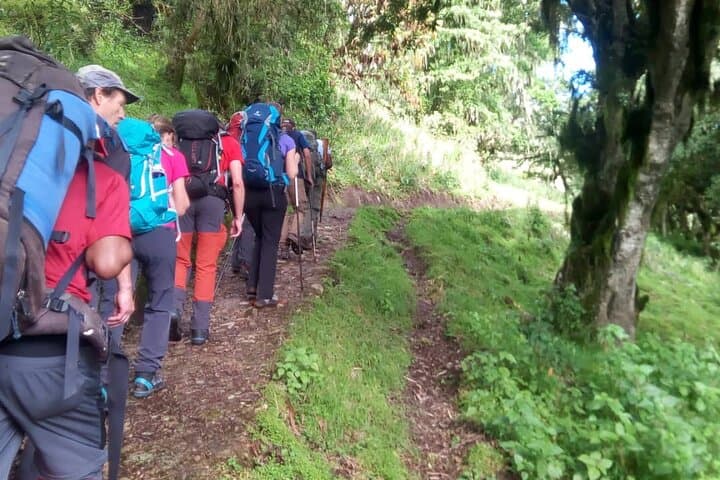
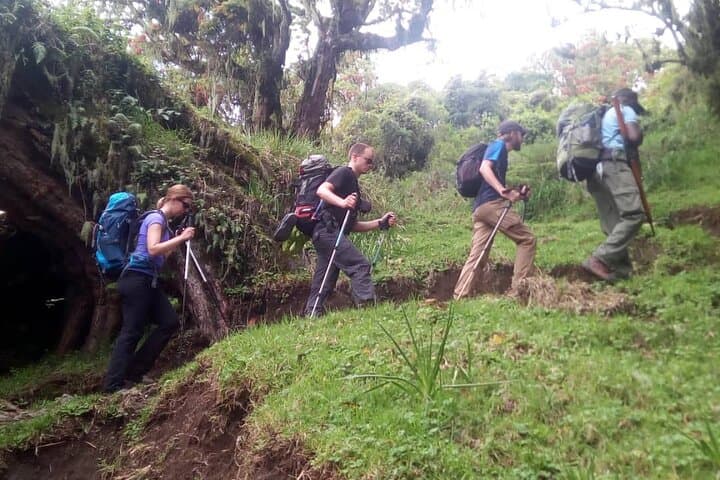
The morning air in Arusha tastes like coffee and diesel; by noon it’s the green, humid breath of the forest that follows you up the mountain. On day one the track slips from dusty road into Arusha National Park, and the climb begins alongside the Ngarenanyuki River. Buffalo shake off flies in the shade, giraffe heads appear between fever trees, and the path, at first gentle, tightens into a steady ascent toward Miriakamba Hut.
The morning air in Arusha tastes like coffee and diesel; by noon it’s the green, humid breath of the forest that follows you up the mountain. On day one the track slips from dusty road into Arusha National Park, and the climb begins alongside the Ngarenanyuki River. Buffalo shake off flies in the shade, giraffe heads appear between fever trees, and the path, at first gentle, tightens into a steady ascent toward Miriakamba Hut.
Mount Meru is a volcanic spine—its crater rim rises to about 4,562 m—set close enough to Kilimanjaro that, on a clear day, Kilimanjaro’s snow dome peers over the shoulder of Meru like an old friend. Meru’s slopes are geologically young; cinder and basalt create steep scree and fertile ridges that feed a surprising range of habitats: grasslands and acacia scrub at lower elevations, a moss-draped cloud forest in the mid-band, and alpine moorland higher up.
The mountain has been a landmark for local communities, colonial explorers, and the Maasai long before it drew international climbers. Its paths still thread through places where guides point out old hunter camps and shrines; conservation efforts here balance tourism with protection of the park’s resident elephant and black-and-white colobus populations.
The itinerary is practical and purposeful: three nights in mountain huts, an overnight summit push and a final descent through the cloud forest to Momela Gate. Distances vary by day; expect 7–12 km of hiking per day with cumulative elevation gain of roughly 3,000–3,200 m from trailhead to summit. The midnight start for the summit is deliberate—hikers ascend under headlamp beams, the cold air pricking lungs already taxed by altitude. The summit rewards patience: a full 360° sweep of the northern Tanzanian plains and, if weather allows, Kilimanjaro’s peak catching first light.
This is not a technical climb—no ropes or crampons required—but it demands fitness, altitude awareness, and respect for the mountain’s shifting weather. Guides and porters handle logistics; emergency oxygen is carried on the tour, and permits are part of the permit-included price.
Practical notes: train on sustained uphill walks and long days with a loaded pack; use a reliable waterproof jacket and broken-in hiking boots; pack snacks high in calories for summit night. Start your climb in the early dry season (June–October) for the best visibility, and allow extra time in the rainy months when trails turn to mud.
By the last afternoon, when the van drops you back in Arusha, the city feels the same but you don’t—you return slower, taller in spirit, carrying the plain’s wide light and the mountain’s persistent quiet.