THE ADVENTURE COLLECTIVE® · Independent discovery and booking for outdoor travel

A compact and purposeful ascent of Mount Meru via the Momella Route, this four-day trek combines wildlife-rich lower slopes, steep high-altitude ridges and a possible summit sunrise with views toward Kilimanjaro. Expect varied terrain, armed ranger accompaniment and purposeful acclimatization over three rugged trekking days.
A compact and purposeful ascent of Mount Meru via the Momella Route, this four-day trek combines wildlife-rich lower slopes, steep high-altitude ridges and a possible summit sunrise with views toward Kilimanjaro. Expect varied terrain, armed ranger accompaniment and purposeful acclimatization over three rugged trekking days.
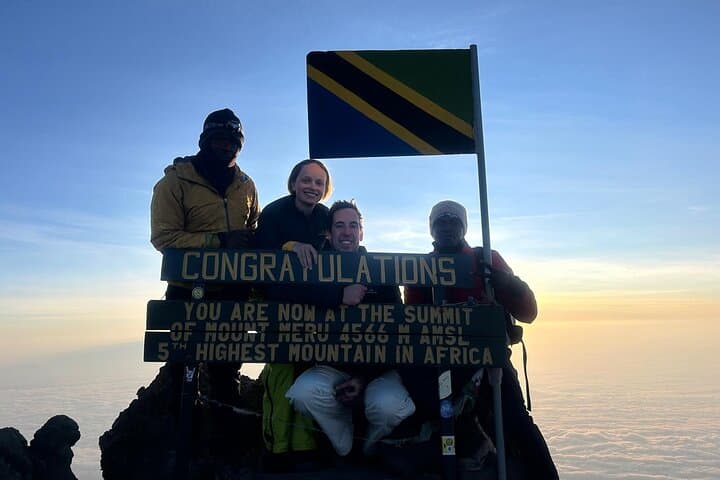
At 1:30 a.m. on summit morning the headlamps stitch a slow silver seam through cold air; you feel the mountain moving around you as the ridge narrows and the crater's inner wall drops away like a held breath. Mount Meru does not ask for bravado—its slopes test patience and step-count—but rewards anyone who keeps a steady pace with open crater vistas and the rare sight of Kilimanjaro peeking above a cloud bank.
Verified experiences and guided adventures in the surrounding area.
Operated by Zanzi Trekking and Safaris · Arusha, Arusha Region
At 1:30 a.m. on summit morning the headlamps stitch a slow silver seam through cold air; you feel the mountain moving around you as the ridge narrows and the crater's inner wall drops away like a held breath. Mount Meru does not ask for bravado—its slopes test patience and step-count—but rewards anyone who keeps a steady pace with open crater vistas and the rare sight of Kilimanjaro peeking above a cloud bank.
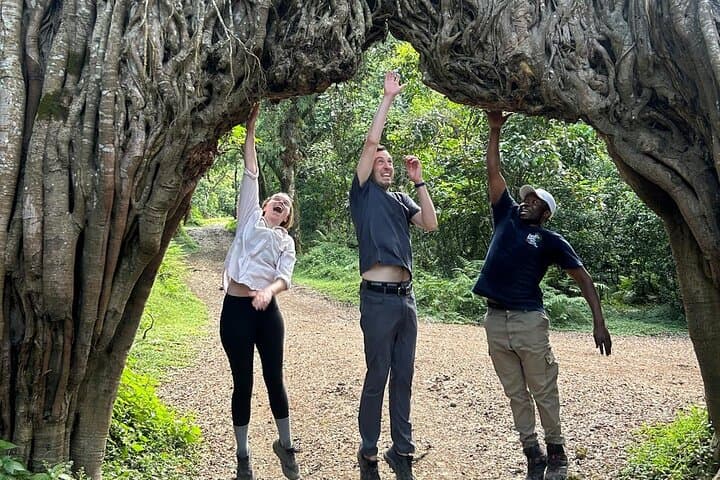
The Momella Route approaches Meru from the east through Arusha National Park, beginning at Momella Gate and threading through acacia woodlands, montane forest, and high heath before the steep push to Rhino Point, Cobra Point and ultimately the summit at 4,566 m (14,980 ft). Geologically Meru is a younger volcanic neighbor to Kilimanjaro; its ash cone and crater rim tell a recent, violent story—glacial runs and lava flows etched into the terrain you traverse each day.
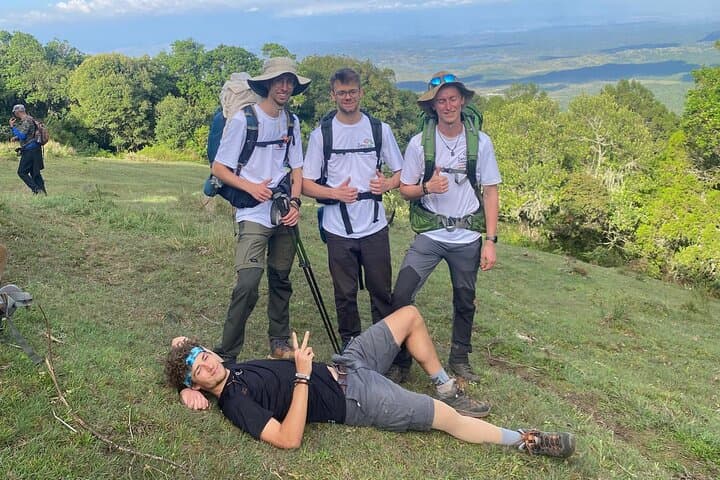
Culturally, the climb crosses Maasai grazing grounds and land managed by Tanzania National Parks. Guides and rangers on the route are as much custodians as companions; armed rangers accompany groups both to protect hikers and to manage increasingly frequent wildlife encounters—zebra, giraffe, colobus and elephants range the lower slopes and plains.
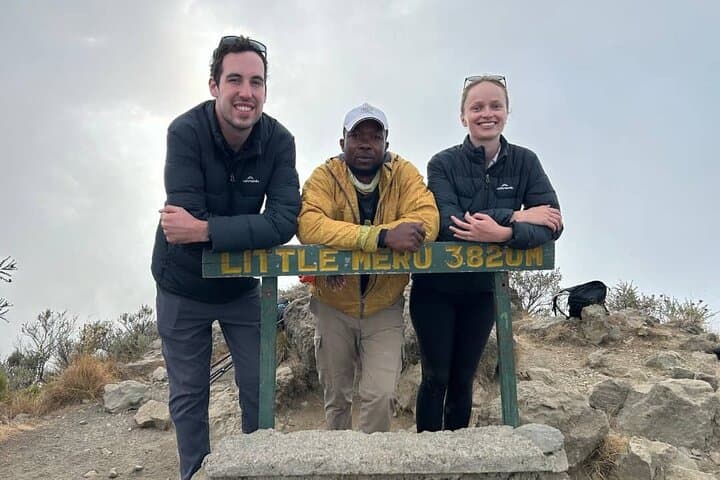
This budget four-day itinerary compresses acclimatization into a tight, purposeful arc. Day 1 is transfer and hotel in Arusha; Day 2 walks to Meriakamba Hut across open grasslands with wildlife sightings likely; Day 3 moves to Saddle Hut with an optional Little Meru side trip; Day 4 starts pre-dawn for the summit push with returns to Meriakamba and descent to Momella Gate. Expect sustained climbs of 600–1,000 m on trekking days and steep, rocky high-altitude terrain on summit day. Trails range from packed dirt to loose scree; a narrow ridge and exposed sections on the final approach demand steady footing.
Practical edge: hydrate early and often, carry at least 2–3 liters, and plan for big temperature swings—hot in the afro-montane zone, bone-cold above 3,500 m. A slow rhythm beats fast feet; move with your breath and let the mountain set the tempo. The operator handles permits, meals and huts; bring cash for tips and small essentials in Arusha. Be honest about fitness—this is guided but challenging, and altitude will amplify effort.
Ultimately, the Momella Route is less crowded than Kilimanjaro's main paths and offers wildlife, crater drama and a sunrise that can make you forget how hard the climb was. With proper pacing and the right gear, it’s a compact, intense mountain experience that leaves you standing on a ridge watching two giants share the sky.
challenging.
4 days.
Good aerobic fitness with recent hiking experience; able to walk 6–8 hours on consecutive days and tolerate sustained climbs
No technical mountaineering experience is required, but prior multi-day trekking at altitude helps; altitude affects everyone differently, so honest fitness prep is crucial.
The operator handles permits and hut bookings as part of the package—confirm inclusions at booking and carry ID for registration at Momella Gate.
Overnights are in simple mountain huts with basic sleeping platforms; expect communal spaces and limited hot-water availability.
Dry months (June–October and late December–February) offer more stable summit weather; shoulder seasons bring green scenery but increased rain risk.
Yes—wildlife ranges the park lands. Guided groups include armed rangers and instruction to keep a safe distance and stay together.
Tipping is customary; plan around 10–20 USD per client per day split among guides and support staff, adjusted for service and group size.
Mount Meru has erupted multiple times in the Pleistocene and Holocene; its cone and crater rim are geologically younger than Kilimanjaro and shaped by volcanic and glacial forces.
Arusha National Park protects a mosaic of habitats—stick to trails, avoid feeding wildlife and follow ranger guidance to minimize disturbance.
Zanzi Trekking and Safaris operates guided outdoor trips and adventures with an emphasis on safety, stewardship, and memorable experiences.
At 1:30 a.m. on summit morning the headlamps stitch a slow silver seam through cold air; you feel the mountain moving around you as the ridge narrows and the crater's inner wall drops away like a held breath. Mount Meru does not ask for bravado—its slopes test patience and step-count—but rewards anyone who keeps a steady pace with open crater vistas and the rare sight of Kilimanjaro peeking above a cloud bank.
At 1:30 a.m. on summit morning the headlamps stitch a slow silver seam through cold air; you feel the mountain moving around you as the ridge narrows and the crater's inner wall drops away like a held breath. Mount Meru does not ask for bravado—its slopes test patience and step-count—but rewards anyone who keeps a steady pace with open crater vistas and the rare sight of Kilimanjaro peeking above a cloud bank.
The Momella Route approaches Meru from the east through Arusha National Park, beginning at Momella Gate and threading through acacia woodlands, montane forest, and high heath before the steep push to Rhino Point, Cobra Point and ultimately the summit at 4,566 m (14,980 ft). Geologically Meru is a younger volcanic neighbor to Kilimanjaro; its ash cone and crater rim tell a recent, violent story—glacial runs and lava flows etched into the terrain you traverse each day.
Culturally, the climb crosses Maasai grazing grounds and land managed by Tanzania National Parks. Guides and rangers on the route are as much custodians as companions; armed rangers accompany groups both to protect hikers and to manage increasingly frequent wildlife encounters—zebra, giraffe, colobus and elephants range the lower slopes and plains.
This budget four-day itinerary compresses acclimatization into a tight, purposeful arc. Day 1 is transfer and hotel in Arusha; Day 2 walks to Meriakamba Hut across open grasslands with wildlife sightings likely; Day 3 moves to Saddle Hut with an optional Little Meru side trip; Day 4 starts pre-dawn for the summit push with returns to Meriakamba and descent to Momella Gate. Expect sustained climbs of 600–1,000 m on trekking days and steep, rocky high-altitude terrain on summit day. Trails range from packed dirt to loose scree; a narrow ridge and exposed sections on the final approach demand steady footing.
Practical edge: hydrate early and often, carry at least 2–3 liters, and plan for big temperature swings—hot in the afro-montane zone, bone-cold above 3,500 m. A slow rhythm beats fast feet; move with your breath and let the mountain set the tempo. The operator handles permits, meals and huts; bring cash for tips and small essentials in Arusha. Be honest about fitness—this is guided but challenging, and altitude will amplify effort.
Ultimately, the Momella Route is less crowded than Kilimanjaro's main paths and offers wildlife, crater drama and a sunrise that can make you forget how hard the climb was. With proper pacing and the right gear, it’s a compact, intense mountain experience that leaves you standing on a ridge watching two giants share the sky.