THE ADVENTURE COLLECTIVE® · Independent discovery and booking for outdoor travel

A concentrated four-day loop from Nairobi into the Maasai Mara, Lake Naivasha and Hell’s Gate that blends classic game drives with a boat ride and a canyon walk or bike. Ideal for travelers who want big wildlife viewing and contrasting landscapes in a single trip.
A concentrated four-day loop from Nairobi into the Maasai Mara, Lake Naivasha and Hell’s Gate that blends classic game drives with a boat ride and a canyon walk or bike. Ideal for travelers who want big wildlife viewing and contrasting landscapes in a single trip.
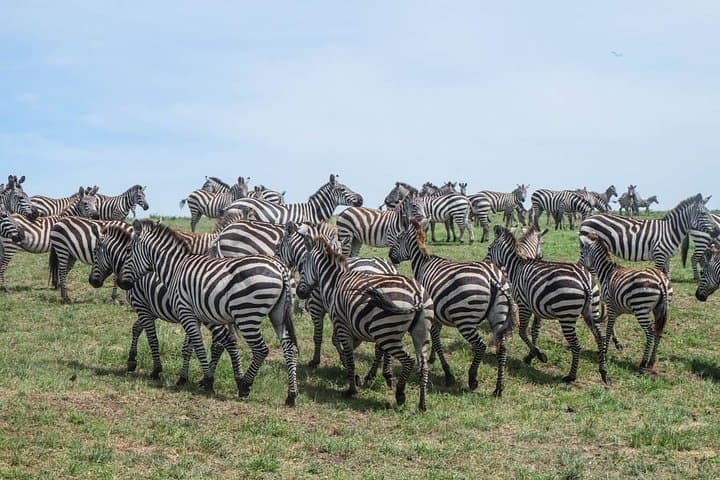
The first light in the Maasai Mara arrives like an instruction: low and direct, staining the tall grass gold while a lone acacia casts a measured shadow. On Day One the road unwinds southwest from Nairobi—red dust replacing tarmac, Rift Valley escarpments rising in the distance—until the reserve opens wide and the land begins to breathe with movement. Vehicles slow; binoculars lift. Lions lounge on termite mounds, zebras punctuate the horizon, and the drivers—quiet, practiced—read the landscape as if it were a weather map.
Verified experiences and guided adventures in the surrounding area.
Operated by Africa Tours · Maasai Mara, Narok County
The first light in the Maasai Mara arrives like an instruction: low and direct, staining the tall grass gold while a lone acacia casts a measured shadow. On Day One the road unwinds southwest from Nairobi—red dust replacing tarmac, Rift Valley escarpments rising in the distance—until the reserve opens wide and the land begins to breathe with movement. Vehicles slow; binoculars lift. Lions lounge on termite mounds, zebras punctuate the horizon, and the drivers—quiet, practiced—read the landscape as if it were a weather map.
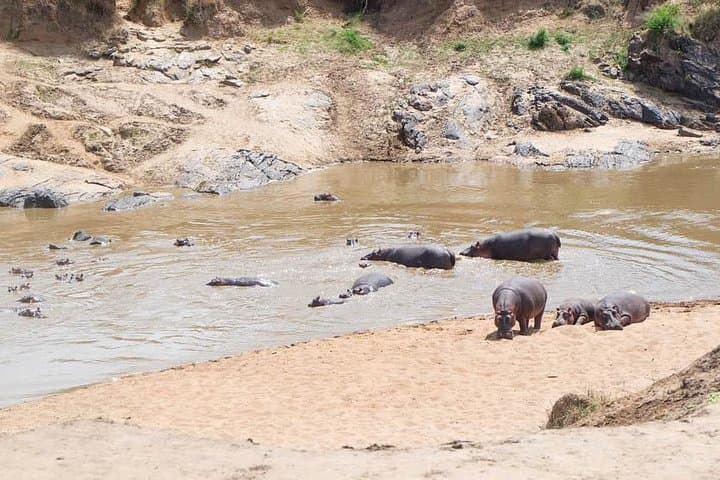
This four-day loop stitches together three of Kenya’s most evocative landscapes. The Mara, cut into the southern reaches of the Serengeti ecosystem, is a mosaic of rolling plains and riverine woodland shaped by ancient tectonic forces from the Great Rift Valley. Lake Naivasha, a freshwater lake cradled at nearly 1,900 meters, provides a watery counterpoint where hippos disrupt the reflections and birdlife crowds the reeds. Hell’s Gate, with its sheer gorges and geothermal hot springs, invites short, human-powered exploration—on foot or bike—through narrow clefts and past towering cliffs.
Culturally, the region is as much a human story as a wildlife one. Maasai communities have grazed cattle and guided visitors here for generations; visits often include respectful encounters where you can learn about beadwork, singing, and the pastoral cycles that still govern daily life. The reserves’ protections were born from colonial hunting histories and later conservation efforts that tried—often imperfectly—to balance tourism and habitat stewardship.
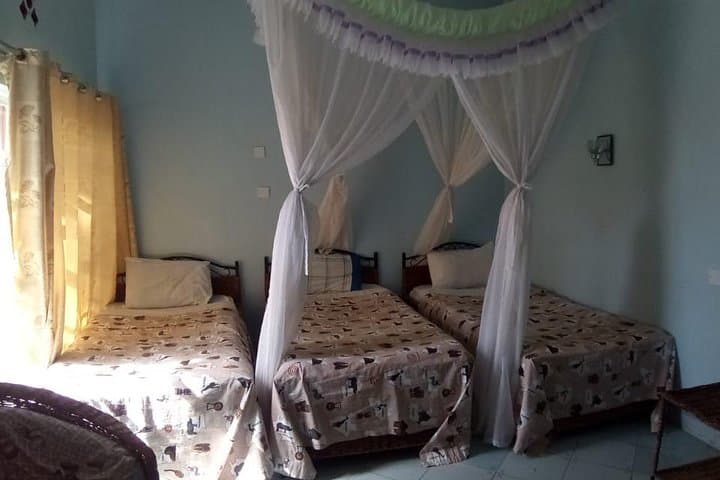
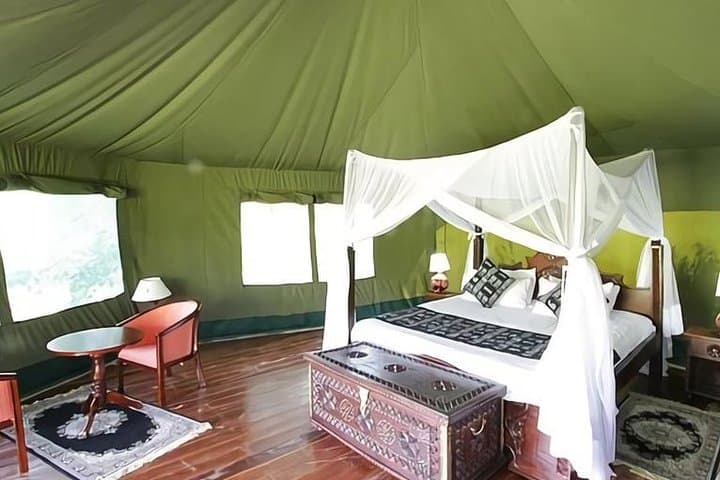
Practical guidance matters more than romance here. Expect long drives: Nairobi to Maasai Mara is roughly 250–280 km and takes 5–6 hours by road depending on weather and route. Game drives are timed for early morning and late afternoon—plan for 3–6 hour stints in a vehicle, often over corrugated dirt tracks and shallow river crossings. Accommodations alternate between tented camps and family-run lodges; nights are cool at elevation, and mornings can be brisk.
Packing notes: layered clothing for temperature swings, sun protection, binoculars, and a small daypack for Hell’s Gate. Malaria prophylaxis and routine vaccinations are recommended; carry cash for tips and local purchases. Respect the animals—stay in the vehicle unless the guide says otherwise, and keep voices low during drives.
In four days you’ll meet predators and birds, ride a boat across a placid lake, and pedal through a canyon that gently insists you slow down. The itinerary is compact but curated for maximum wildlife time and a sharp contrast of landscapes—an efficient, immersive taste of Kenya’s wild core.
moderate.
4 days.
Suitable for travelers in average physical condition; involves multiple 3–6 hour game drives and short walks or bike rides in Hell’s Gate.
Expect about 5–6 hours by road depending on traffic, route, and road conditions; drivers often stop for lunch in Narok.
Yes—Maasai Mara and Lake Naivasha are in malaria zones; consult a travel clinic for prophylaxis and mosquito protection.
There’s a high chance—guides report frequent sightings of lions, elephants, buffalo, leopards and rhinos—but wildlife sightings cannot be guaranteed.
The trip uses a mix of tented tourist camps and guest houses/lodges with standard amenities; specifics are listed per night in the itinerary.
The tour notes wheelchair-accessible transportation options, but game drive vehicles and some paths may be uneven; contact the supplier to confirm individual needs.
Yes—tipping guides, drivers, and lodge staff is customary; budget a small daily tip per person for drivers and guides and extra for lodge staff.
The Maasai Mara’s protected status grew from 20th-century conservation policies that evolved out of colonial-era game control and later community-conservation partnerships with Maasai landowners.
Tourism revenue supports anti-poaching and community programs, but visitors should minimize footprint—use designated paths and avoid single-use plastics.
Africa Tours operates guided outdoor trips and adventures with an emphasis on safety, stewardship, and memorable experiences.
The first light in the Maasai Mara arrives like an instruction: low and direct, staining the tall grass gold while a lone acacia casts a measured shadow. On Day One the road unwinds southwest from Nairobi—red dust replacing tarmac, Rift Valley escarpments rising in the distance—until the reserve opens wide and the land begins to breathe with movement. Vehicles slow; binoculars lift. Lions lounge on termite mounds, zebras punctuate the horizon, and the drivers—quiet, practiced—read the landscape as if it were a weather map.
The first light in the Maasai Mara arrives like an instruction: low and direct, staining the tall grass gold while a lone acacia casts a measured shadow. On Day One the road unwinds southwest from Nairobi—red dust replacing tarmac, Rift Valley escarpments rising in the distance—until the reserve opens wide and the land begins to breathe with movement. Vehicles slow; binoculars lift. Lions lounge on termite mounds, zebras punctuate the horizon, and the drivers—quiet, practiced—read the landscape as if it were a weather map.
This four-day loop stitches together three of Kenya’s most evocative landscapes. The Mara, cut into the southern reaches of the Serengeti ecosystem, is a mosaic of rolling plains and riverine woodland shaped by ancient tectonic forces from the Great Rift Valley. Lake Naivasha, a freshwater lake cradled at nearly 1,900 meters, provides a watery counterpoint where hippos disrupt the reflections and birdlife crowds the reeds. Hell’s Gate, with its sheer gorges and geothermal hot springs, invites short, human-powered exploration—on foot or bike—through narrow clefts and past towering cliffs.
Culturally, the region is as much a human story as a wildlife one. Maasai communities have grazed cattle and guided visitors here for generations; visits often include respectful encounters where you can learn about beadwork, singing, and the pastoral cycles that still govern daily life. The reserves’ protections were born from colonial hunting histories and later conservation efforts that tried—often imperfectly—to balance tourism and habitat stewardship.
Practical guidance matters more than romance here. Expect long drives: Nairobi to Maasai Mara is roughly 250–280 km and takes 5–6 hours by road depending on weather and route. Game drives are timed for early morning and late afternoon—plan for 3–6 hour stints in a vehicle, often over corrugated dirt tracks and shallow river crossings. Accommodations alternate between tented camps and family-run lodges; nights are cool at elevation, and mornings can be brisk.
Packing notes: layered clothing for temperature swings, sun protection, binoculars, and a small daypack for Hell’s Gate. Malaria prophylaxis and routine vaccinations are recommended; carry cash for tips and local purchases. Respect the animals—stay in the vehicle unless the guide says otherwise, and keep voices low during drives.
In four days you’ll meet predators and birds, ride a boat across a placid lake, and pedal through a canyon that gently insists you slow down. The itinerary is compact but curated for maximum wildlife time and a sharp contrast of landscapes—an efficient, immersive taste of Kenya’s wild core.