THE ADVENTURE COLLECTIVE® · Independent discovery and booking for outdoor travel

A concise, three-night Cape Town package that pairs Robben Island’s history with a cable-car ascent of Table Mountain and a hop-on hop-off wine tram in Franschhoek. Ideal for first-time visitors who want history, geology and tasting rooms in a single, well-paced itinerary.
A concise, three-night Cape Town package that pairs Robben Island’s history with a cable-car ascent of Table Mountain and a hop-on hop-off wine tram in Franschhoek. Ideal for first-time visitors who want history, geology and tasting rooms in a single, well-paced itinerary.
The V&A Waterfront wakes slowly to gulls and the scrape of ropes. Early light slides down Table Mountain’s flat back, painting the city’s granite in low relief; ferries nose away from the jetty, their engines impatient. This three-night itinerary strings together Cape Town’s headline acts—the Robben Island ferry, a cable car rise to a wind-scoured summit, the candy‑coloured rows of Bo-Kaap, and a hop-on hop-off wine tram through Franschhoek’s valley of vines—into a compact introduction to the Western Cape.
Verified experiences and guided adventures in the surrounding area.
Operated by Beyond Africa Safaris (Pty)Ltd · Cape Town, Western Cape
The V&A Waterfront wakes slowly to gulls and the scrape of ropes. Early light slides down Table Mountain’s flat back, painting the city’s granite in low relief; ferries nose away from the jetty, their engines impatient. This three-night itinerary strings together Cape Town’s headline acts—the Robben Island ferry, a cable car rise to a wind-scoured summit, the candy‑coloured rows of Bo-Kaap, and a hop-on hop-off wine tram through Franschhoek’s valley of vines—into a compact introduction to the Western Cape.
Robben Island carries a concentrated history: the quarry stones and the narrow cell where Nelson Mandela served years are not an abstract lesson but a physical route through South Africa’s recent past. Table Mountain, a block of Cape Supergroup sandstone uplifted and eroded over millions of years, looms as the city’s geological spine; its summit gardens and ledges reveal fynbos that scrubs the wind and clings stubbornly to ledges. The Bo-Kaap neighbourhood speaks to Cape Malay culture with spice-scented kitchens and houses painted in bold colours—an urban counterpoint to the cultivated rows of Chardonnay and Cabernet in Franschhoek where Huguenot settlers planted vines centuries ago.
Over three days the rhythm shifts—harbor breeze to mountain wind to vineyard warmth. Mechanics matter: the Robben Island ferry and Table Mountain cable car are weather‑sensitive and often scheduled early; if the sea is rough or the cloud closes over the plateau, operators will cancel and refund specific activities. Practicalities are baked into the tour: airport transfers, three breakfasts, entrance fees for Robben Island and Table Mountain, hotel pickup and drop-off, and the Franschhoek Wine Tram ticket are included; tastings at estates are typically extra (expect R60–R150 per tasting).
For planning, book the Robben Island slot early in your stay—mornings have the lowest cancellation risk—and pack layers for rapidly changing conditions on Table Mountain: wind can bite even on warm days. Bring a photocopy or photo of your passport or ID for island check-in, and carry a small daypack with water, sunscreen, and a lightweight rain shell. Comfortable shoes matter more than dress shoes—the island involves uneven paths and the mountain has rocky viewpoints.
This package is an efficient primer on Cape Town: it moves you through civic memory, geology, and provincial conviviality with local guides who handle logistics so you can focus on the view, the history, and the wines. Time your camera for late afternoon on the waterfront and sunrise-facing outcrops on Table Mountain; taste at a smaller Franschhoek estate if you prefer intimate cellars to busy tourist stops. Sun, wind and sea will demand respect, but they also do the work of making these three days distinctly, unmistakably Cape Town.
easy.
3–4 days.
Suitable for travelers in average fitness; expect short walks, ferry boarding and some standing on guided tours.
No—ferries and the island tour are weather-dependent; if your sailing is canceled you will be refunded for that activity as per the operator’s policy.
Yes—return airport transfers between Cape Town hotel and Cape Town International Airport are included in the package.
Yes—Wine Tram transport is included but tasting fees at individual estates are usually R60–R150 and are paid directly to the wineries.
Many parts of the itinerary are wheelchair accessible, including transportation and some waterfront areas; check specific accessibility needs with the operator in advance.
Bring layers, windproof jacket, sturdy shoes, water, and a camera; the plateau can be cold and windy even if the city is warm.
The shared tour can include up to 20 travelers; private options are not included but may be available on request.
Robben Island served for centuries as a place of banishment and imprisonment; its most recent significance is as the site of political incarceration during apartheid, including Nelson Mandela’s long sentence.
Table Mountain National Park and local wineries emphasize fynbos protection and water-wise viticulture—respect trails and avoid picking native plants.
Beyond Africa Safaris (Pty)Ltd operates guided outdoor trips and adventures with an emphasis on safety, stewardship, and memorable experiences.

The V&A Waterfront wakes slowly to gulls and the scrape of ropes. Early light slides down Table Mountain’s flat back, painting the city’s granite in low relief; ferries nose away from the jetty, their engines impatient. This three-night itinerary strings together Cape Town’s headline acts—the Robben Island ferry, a cable car rise to a wind-scoured summit, the candy‑coloured rows of Bo-Kaap, and a hop-on hop-off wine tram through Franschhoek’s valley of vines—into a compact introduction to the Western Cape.
The V&A Waterfront wakes slowly to gulls and the scrape of ropes. Early light slides down Table Mountain’s flat back, painting the city’s granite in low relief; ferries nose away from the jetty, their engines impatient. This three-night itinerary strings together Cape Town’s headline acts—the Robben Island ferry, a cable car rise to a wind-scoured summit, the candy‑coloured rows of Bo-Kaap, and a hop-on hop-off wine tram through Franschhoek’s valley of vines—into a compact introduction to the Western Cape.
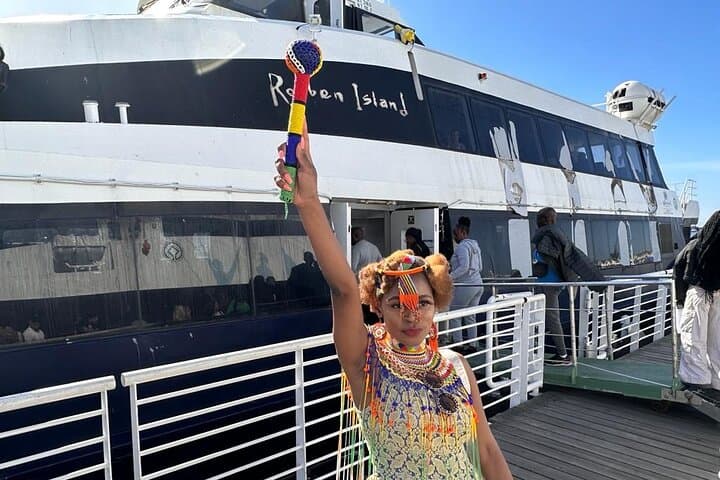
Robben Island carries a concentrated history: the quarry stones and the narrow cell where Nelson Mandela served years are not an abstract lesson but a physical route through South Africa’s recent past. Table Mountain, a block of Cape Supergroup sandstone uplifted and eroded over millions of years, looms as the city’s geological spine; its summit gardens and ledges reveal fynbos that scrubs the wind and clings stubbornly to ledges. The Bo-Kaap neighbourhood speaks to Cape Malay culture with spice-scented kitchens and houses painted in bold colours—an urban counterpoint to the cultivated rows of Chardonnay and Cabernet in Franschhoek where Huguenot settlers planted vines centuries ago.
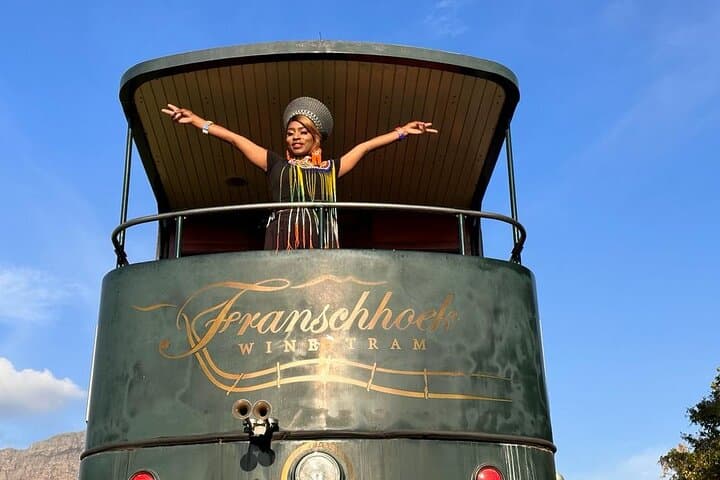
Over three days the rhythm shifts—harbor breeze to mountain wind to vineyard warmth. Mechanics matter: the Robben Island ferry and Table Mountain cable car are weather‑sensitive and often scheduled early; if the sea is rough or the cloud closes over the plateau, operators will cancel and refund specific activities. Practicalities are baked into the tour: airport transfers, three breakfasts, entrance fees for Robben Island and Table Mountain, hotel pickup and drop-off, and the Franschhoek Wine Tram ticket are included; tastings at estates are typically extra (expect R60–R150 per tasting).
For planning, book the Robben Island slot early in your stay—mornings have the lowest cancellation risk—and pack layers for rapidly changing conditions on Table Mountain: wind can bite even on warm days. Bring a photocopy or photo of your passport or ID for island check-in, and carry a small daypack with water, sunscreen, and a lightweight rain shell. Comfortable shoes matter more than dress shoes—the island involves uneven paths and the mountain has rocky viewpoints.
This package is an efficient primer on Cape Town: it moves you through civic memory, geology, and provincial conviviality with local guides who handle logistics so you can focus on the view, the history, and the wines. Time your camera for late afternoon on the waterfront and sunrise-facing outcrops on Table Mountain; taste at a smaller Franschhoek estate if you prefer intimate cellars to busy tourist stops. Sun, wind and sea will demand respect, but they also do the work of making these three days distinctly, unmistakably Cape Town.