THE ADVENTURE COLLECTIVE® · Independent discovery and booking for outdoor travel

See Old Faithful’s plume, the Grand Prismatic’s colors, and the jagged Tetons in a compact three-day loop from Salt Lake City. This small-group tour balances iconic stops with timed wildlife viewing and local insight—ideal if you have limited time but big ambitions.
See Old Faithful’s plume, the Grand Prismatic’s colors, and the jagged Tetons in a compact three-day loop from Salt Lake City. This small-group tour balances iconic stops with timed wildlife viewing and local insight—ideal if you have limited time but big ambitions.
On the first morning your minivan eases out of Salt Lake City and the valley stretches open—sagebrush thinning, the road threading toward high country. By mid-afternoon you’re pulling into Idaho Falls to stretch your legs beside the engineered drop of the Snake River, then climbing toward the rim of a landscape that changes from irrigated farms to the hard, volcanic geometry of Yellowstone.
Verified experiences and guided adventures in the surrounding area.
Operated by Nomad Unlimited Adventure · Jackson, Wyoming
On the first morning your minivan eases out of Salt Lake City and the valley stretches open—sagebrush thinning, the road threading toward high country. By mid-afternoon you’re pulling into Idaho Falls to stretch your legs beside the engineered drop of the Snake River, then climbing toward the rim of a landscape that changes from irrigated farms to the hard, volcanic geometry of Yellowstone.
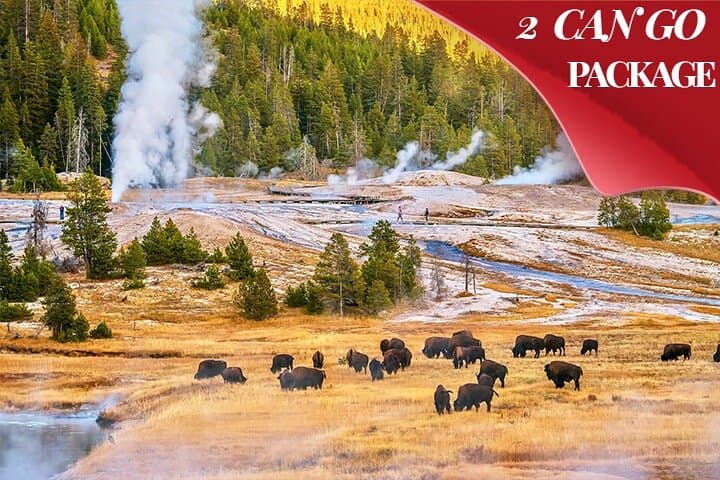
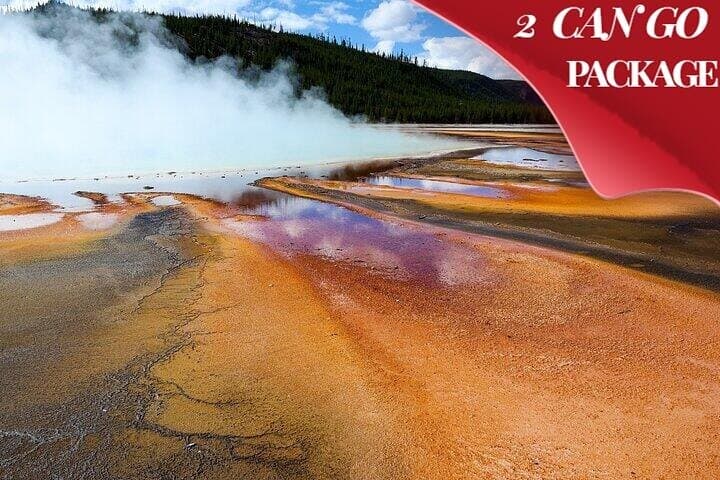
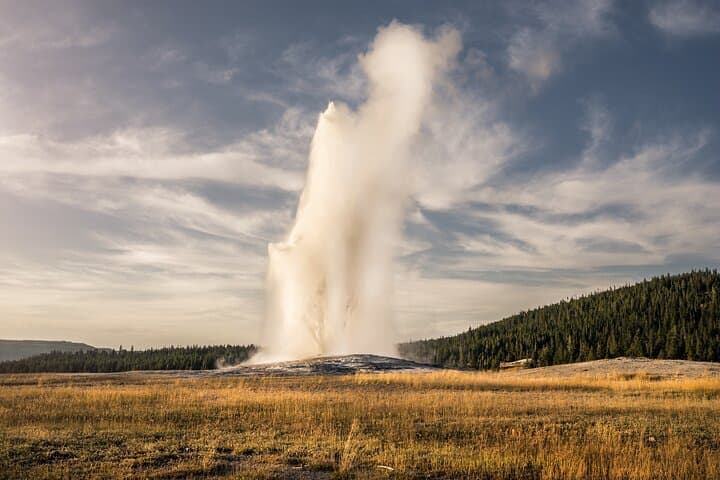
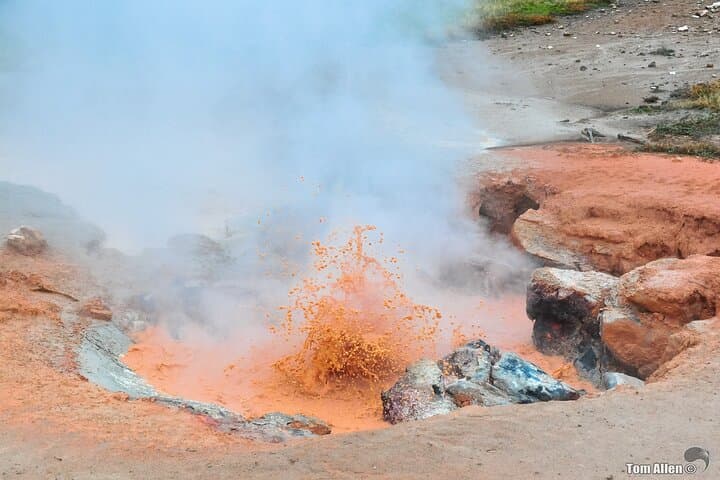
The itinerary reads like a highlights reel: Old Faithful’s predictable plume, the prismatic swirl of hot springs, the carved walls of the Grand Canyon of the Yellowstone, then the razor-backed silhouette of the Tetons the next day. But the trip is as much about scale and geology as it is about icons. Yellowstone sits atop a caldera—the memory of super-eruptions that uplifted and fractured the plateau, feeding the park’s steam, acid pools, and mineral terraces. The Tetons are a different story: a steep, young mountain front thrown up by the Teton fault, with Grand Teton itself rising to 13,775 feet, a dark knife-edge over Jenny Lake.
Human history is layered here as well. The Snake and Shoshone peoples have hunted these valleys for millennia; later, Lewis and Clark–era trappers and early park promoters turned wilderness into public story. Towns like Jackson Hole grew from trading posts and ranches, while West Yellowstone became a gateway for tourists chasing geothermal theater.
Practical realities anchor the romance. This is a small-group, multi-day tour—travel in a vehicle with no more than eight people, two nights of standard hotel accommodation, and breakfasts included. Expect daily driving of several hours broken by short hikes and viewpoint stops; Yellowstone’s high basins sit around 7,000–8,000 feet, so plan for cooler mornings and thinner air. Guides will time wildlife runs—dawn in Lamar Valley and an evening at Oxbow Bend are the best bets for elk, bison, and, if luck allows, a bear sighting—but sightings are never guaranteed.
Safety and stewardship are part of the program. Stay on boardwalks near hydrothermal features; give animals a wide berth (100 yards for bears, 25 for bison), and pack out what you pack in. Fall foliage is a showstopper here—aspens and cottonwoods turn gold against conifer dark—making September–October a photo-rich window.
For travelers: bring layered clothing, sturdy footwear, binoculars, and a daypack with snacks and water. Charge your camera and set alarms for pre-dawn lookouts. With a flexible itinerary and local guides, this three-day loop gives a concentrated, careful introduction to two of America’s most dramatic national parks—enough to see the highlights and leave you plotting a return.
moderate.
3 days.
Light to moderate fitness; able to walk short trails (0.5–2 miles) and handle frequent stops from a vehicle.
Yes—park entrance fees are included in the tour price.
Shared tours cap at 8 travelers, providing a small-group experience with flexible stops.
Pickup is offered from Salt Lake City and selected hotels; specific pickup times vary by location and may incur extra fees after hours.
Breakfasts and select snacks/water are included; two days of hotel accommodation are provided—other meals are typically on your own.
Not recommended for pregnant travelers; children under five may not participate in all activities—contact the operator for adjustments.
Common sightings include bison, elk, pronghorn, and a chance at bears and wolves; wildlife sightings depend on season and luck.
This region has long been home to Shoshone and other Indigenous peoples; Yellowstone was established as the world’s first national park in 1872 and the Tetons rose abruptly along the Teton fault.
Thermal features and wildlife are fragile—stay on trails, pack out waste, and respect seasonal wildlife closures to protect corridors and ecosystems.
Nomad Unlimited Adventure operates guided outdoor trips and adventures with an emphasis on safety, stewardship, and memorable experiences.
On the first morning your minivan eases out of Salt Lake City and the valley stretches open—sagebrush thinning, the road threading toward high country. By mid-afternoon you’re pulling into Idaho Falls to stretch your legs beside the engineered drop of the Snake River, then climbing toward the rim of a landscape that changes from irrigated farms to the hard, volcanic geometry of Yellowstone.
On the first morning your minivan eases out of Salt Lake City and the valley stretches open—sagebrush thinning, the road threading toward high country. By mid-afternoon you’re pulling into Idaho Falls to stretch your legs beside the engineered drop of the Snake River, then climbing toward the rim of a landscape that changes from irrigated farms to the hard, volcanic geometry of Yellowstone.
The itinerary reads like a highlights reel: Old Faithful’s predictable plume, the prismatic swirl of hot springs, the carved walls of the Grand Canyon of the Yellowstone, then the razor-backed silhouette of the Tetons the next day. But the trip is as much about scale and geology as it is about icons. Yellowstone sits atop a caldera—the memory of super-eruptions that uplifted and fractured the plateau, feeding the park’s steam, acid pools, and mineral terraces. The Tetons are a different story: a steep, young mountain front thrown up by the Teton fault, with Grand Teton itself rising to 13,775 feet, a dark knife-edge over Jenny Lake.
Human history is layered here as well. The Snake and Shoshone peoples have hunted these valleys for millennia; later, Lewis and Clark–era trappers and early park promoters turned wilderness into public story. Towns like Jackson Hole grew from trading posts and ranches, while West Yellowstone became a gateway for tourists chasing geothermal theater.
Practical realities anchor the romance. This is a small-group, multi-day tour—travel in a vehicle with no more than eight people, two nights of standard hotel accommodation, and breakfasts included. Expect daily driving of several hours broken by short hikes and viewpoint stops; Yellowstone’s high basins sit around 7,000–8,000 feet, so plan for cooler mornings and thinner air. Guides will time wildlife runs—dawn in Lamar Valley and an evening at Oxbow Bend are the best bets for elk, bison, and, if luck allows, a bear sighting—but sightings are never guaranteed.
Safety and stewardship are part of the program. Stay on boardwalks near hydrothermal features; give animals a wide berth (100 yards for bears, 25 for bison), and pack out what you pack in. Fall foliage is a showstopper here—aspens and cottonwoods turn gold against conifer dark—making September–October a photo-rich window.
For travelers: bring layered clothing, sturdy footwear, binoculars, and a daypack with snacks and water. Charge your camera and set alarms for pre-dawn lookouts. With a flexible itinerary and local guides, this three-day loop gives a concentrated, careful introduction to two of America’s most dramatic national parks—enough to see the highlights and leave you plotting a return.