THE ADVENTURE COLLECTIVE® · Independent discovery and booking for outdoor travel

A compact, private three-day safari from Arusha that pairs Tarangire’s baobab-dotted plains with Serengeti game drives and a scenic flight back. Expect close encounters with elephants and big cats, expert guides, and lodge stays near park gates.
A compact, private three-day safari from Arusha that pairs Tarangire’s baobab-dotted plains with Serengeti game drives and a scenic flight back. Expect close encounters with elephants and big cats, expert guides, and lodge stays near park gates.
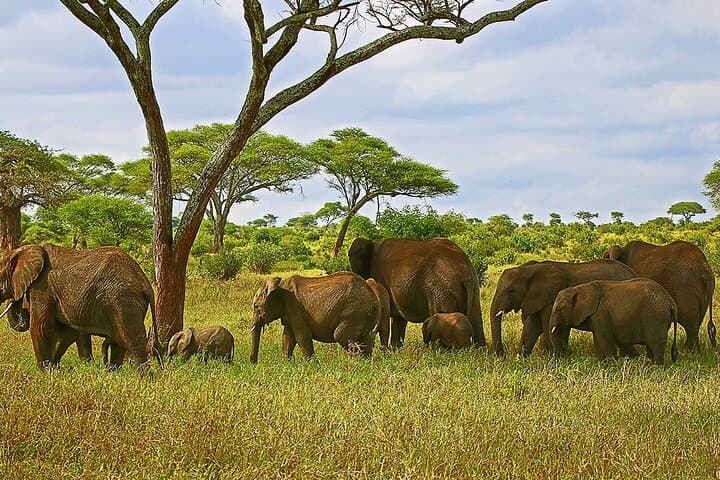
You lift off from Arusha before dawn and the land below unravels: a patchwork of acacia, rippling grass, and the pale coils of dry riverbeds. By midmorning you’re bumping along a sandy track into Tarangire, where elephants move like slow weather and baobabs stand with knotted arms. The first day sets the tone—wide skies, vehicles with pop-up roofs, and the constant, polite scrutiny of herbivores who regard humans as another drifting element of the plains.
Verified experiences and guided adventures in the surrounding area.
Operated by Beach & Safari · Arusha, Arusha Region
You lift off from Arusha before dawn and the land below unravels: a patchwork of acacia, rippling grass, and the pale coils of dry riverbeds. By midmorning you’re bumping along a sandy track into Tarangire, where elephants move like slow weather and baobabs stand with knotted arms. The first day sets the tone—wide skies, vehicles with pop-up roofs, and the constant, polite scrutiny of herbivores who regard humans as another drifting element of the plains.
This itinerary stitches together three of northern Tanzania’s great wildlife stages. Tarangire is a granite-and-baobab plain famed for elephant herds that concentrate around the river during dry months. The route crosses the Ngorongoro Conservation Area—a cultural landscape long tended by the Maasai—and then spills into the Serengeti, a geological plateau of volcanic soils and wind-polished grasses where predators read the land like a ledger.
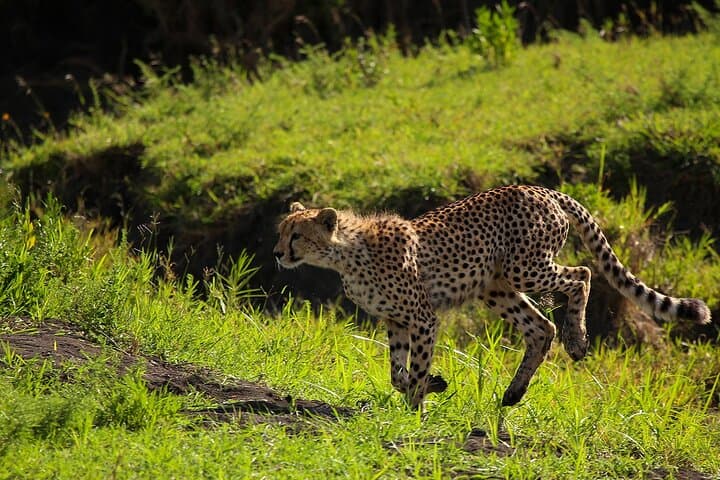
The Serengeti’s story is partly geology: ancient basalt and volcanic ash produce the short-grass plains that big grazers prefer, and those grazers in turn draw the lions and cheetahs. Culturally, the route traces Maasai grazing corridors; you’ll pass small bomas and hear the chime of cattle bells if you slow down. Park fees and regulated access are recent chapters in a long history of coexistence between wildlife and people.
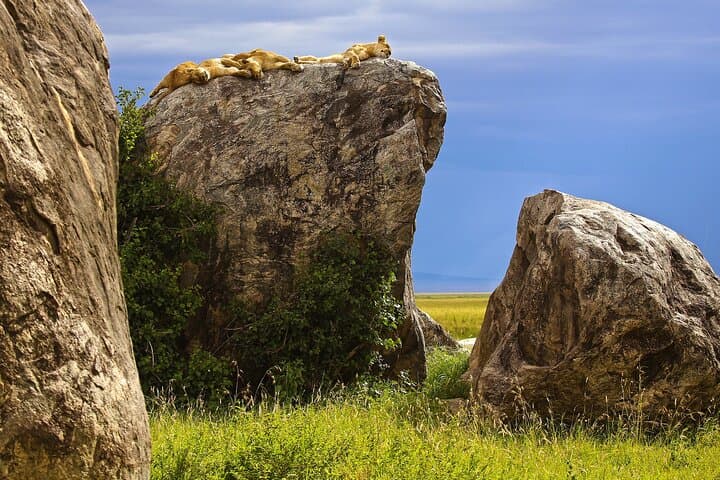
On the plains, nature has personality: the migration’s hooves drum urgency into the horizon, and a lone lion can sit like a small, patient government over a strip of grass. Guides know the language of spoor and sky—where a circling vulture signals a fresh kill, or where a distant dust plume means zebra on the move.
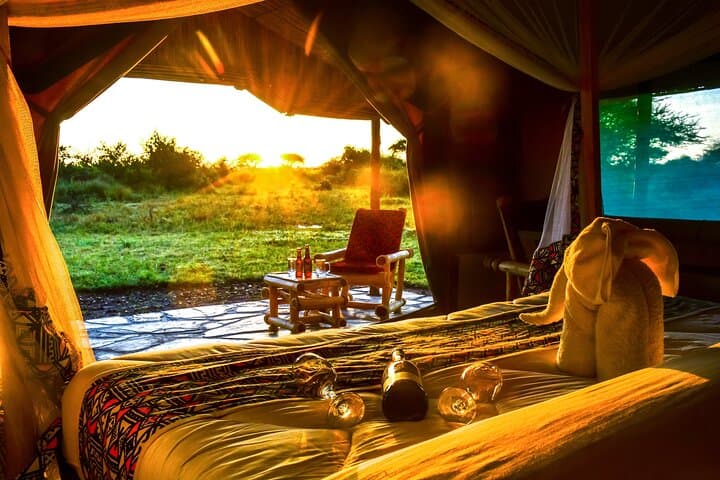
Practicalities matter. This is a private, three-day drive-and-fly safari with all park fees, domestic flight from Seronera back to Arusha, meals, bottled water, and airport or hotel pickup included. Accommodation is in lodges near park gates with full-board service; nights are comfortable but not luxurious—expect warm showers, sturdy beds, and serious views.
Timing is everything: dawn and late afternoon game drives are when predators hunt and light sharpens the landscape. Pack binoculars, a neutral-colored sun hat, layered clothing for cool mornings and hot afternoons, and a camera with a zoom lens. On the light aircraft back to Arusha, luggage limits are strict—pack efficiently and double-check weight allowances.
Expect moderate physical demands: long hours in a jeep, uneven tracks, and quick exits for short walks by the vehicle. Respect park rules, keep a safe distance, and let your guide lead interactions with wildlife.
In three days you’ll trade the city’s humidity for Serengeti wind, and return with more than photos: a clearer sense of how land, animals, and people shape one another here.
moderate.
3 days.
Moderate fitness: able to tolerate long drives, bumpy roads, and short walks from the vehicle
Yes—park entry fees, game drives, and the domestic flight from Seronera to Arusha are included in the booking.
Small aircraft typically limit checked luggage to about 15–20 kg per person; confirm exact limits with the operator before packing.
Infants must sit on an adult’s lap and the trip is private, but it’s not recommended for very young children due to long drives and bumpy roads.
Consult your doctor—malaria is present in northern Tanzania and routine travel vaccines are recommended; carry any necessary prescriptions.
Tipping is customary; typical amounts are $10–20 per person per day for drivers/guides and smaller amounts for lodge staff, adjusted to service.
Early morning and late afternoon are prime times for predator activity; June–October (dry season) concentrates wildlife and improves road access.
The route crosses Maasai lands inside the Ngorongoro Conservation Area—these corridors have supported pastoralists for generations and shaped local grazing patterns.
Park fees fund anti-poaching and community projects; stay on designated roads, avoid feeding wildlife, and support lodges that engage local staff.
Beach & Safari operates guided outdoor trips and adventures with an emphasis on safety, stewardship, and memorable experiences.
You lift off from Arusha before dawn and the land below unravels: a patchwork of acacia, rippling grass, and the pale coils of dry riverbeds. By midmorning you’re bumping along a sandy track into Tarangire, where elephants move like slow weather and baobabs stand with knotted arms. The first day sets the tone—wide skies, vehicles with pop-up roofs, and the constant, polite scrutiny of herbivores who regard humans as another drifting element of the plains.
You lift off from Arusha before dawn and the land below unravels: a patchwork of acacia, rippling grass, and the pale coils of dry riverbeds. By midmorning you’re bumping along a sandy track into Tarangire, where elephants move like slow weather and baobabs stand with knotted arms. The first day sets the tone—wide skies, vehicles with pop-up roofs, and the constant, polite scrutiny of herbivores who regard humans as another drifting element of the plains.
This itinerary stitches together three of northern Tanzania’s great wildlife stages. Tarangire is a granite-and-baobab plain famed for elephant herds that concentrate around the river during dry months. The route crosses the Ngorongoro Conservation Area—a cultural landscape long tended by the Maasai—and then spills into the Serengeti, a geological plateau of volcanic soils and wind-polished grasses where predators read the land like a ledger.
The Serengeti’s story is partly geology: ancient basalt and volcanic ash produce the short-grass plains that big grazers prefer, and those grazers in turn draw the lions and cheetahs. Culturally, the route traces Maasai grazing corridors; you’ll pass small bomas and hear the chime of cattle bells if you slow down. Park fees and regulated access are recent chapters in a long history of coexistence between wildlife and people.
On the plains, nature has personality: the migration’s hooves drum urgency into the horizon, and a lone lion can sit like a small, patient government over a strip of grass. Guides know the language of spoor and sky—where a circling vulture signals a fresh kill, or where a distant dust plume means zebra on the move.
Practicalities matter. This is a private, three-day drive-and-fly safari with all park fees, domestic flight from Seronera back to Arusha, meals, bottled water, and airport or hotel pickup included. Accommodation is in lodges near park gates with full-board service; nights are comfortable but not luxurious—expect warm showers, sturdy beds, and serious views.
Timing is everything: dawn and late afternoon game drives are when predators hunt and light sharpens the landscape. Pack binoculars, a neutral-colored sun hat, layered clothing for cool mornings and hot afternoons, and a camera with a zoom lens. On the light aircraft back to Arusha, luggage limits are strict—pack efficiently and double-check weight allowances.
Expect moderate physical demands: long hours in a jeep, uneven tracks, and quick exits for short walks by the vehicle. Respect park rules, keep a safe distance, and let your guide lead interactions with wildlife.
In three days you’ll trade the city’s humidity for Serengeti wind, and return with more than photos: a clearer sense of how land, animals, and people shape one another here.