THE ADVENTURE COLLECTIVE® · Independent discovery and booking for outdoor travel

Cross the High Atlas from Marrakech, follow the Draa Valley and spend nights in nomad tents at Erg Chegaga—three days of dunes, camel rides and Sahara sunsets. Learn the logistics, terrain and cultural notes to prepare for this classic desert trek.
Cross the High Atlas from Marrakech, follow the Draa Valley and spend nights in nomad tents at Erg Chegaga—three days of dunes, camel rides and Sahara sunsets. Learn the logistics, terrain and cultural notes to prepare for this classic desert trek.
You step out of a Marrakech riad before dawn and the road climbs the Tichka Pass, air sharpening as the High Atlas opens its bones.
By midday the landscape softens into palm-lined valleys and kasbahs—Ait Benhaddou’s earthen walls rising like a human-made cliff—then the terrain flattens into the long, copper sweep toward M’Hamid and Erg Chegaga.
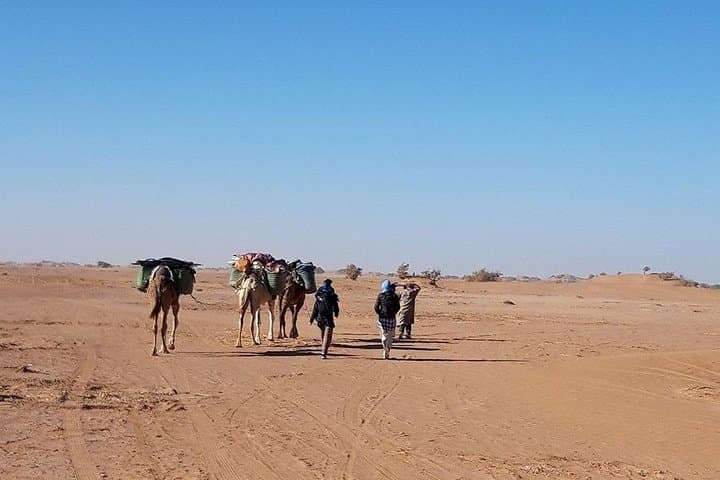
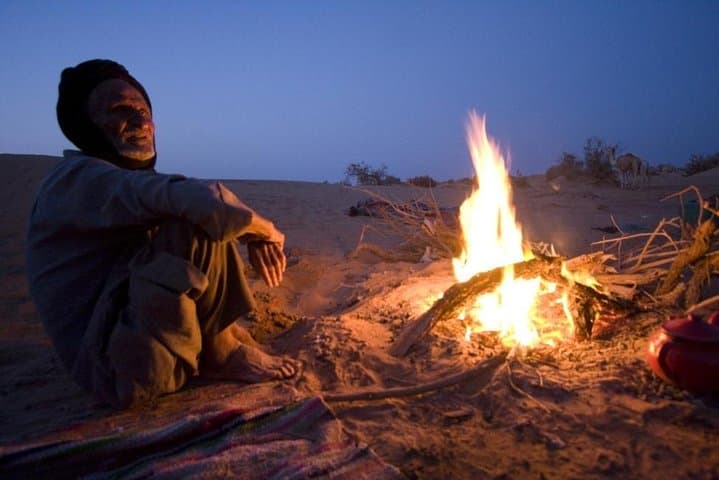
This three-day route threads history and geology: ancient caravan tracks, 16th-century kasbahs, and the Draa Valley’s date palm galleries give way to wind-sculpted dunes; Erg Chegaga’s ridges can reach roughly 300 meters and stretch across a 40 km field of sand. Nomad camps and Berber tea rituals punctuate the route, and camel saddles creak as you enter the silence of the dune sea for a two-hour camel ride.
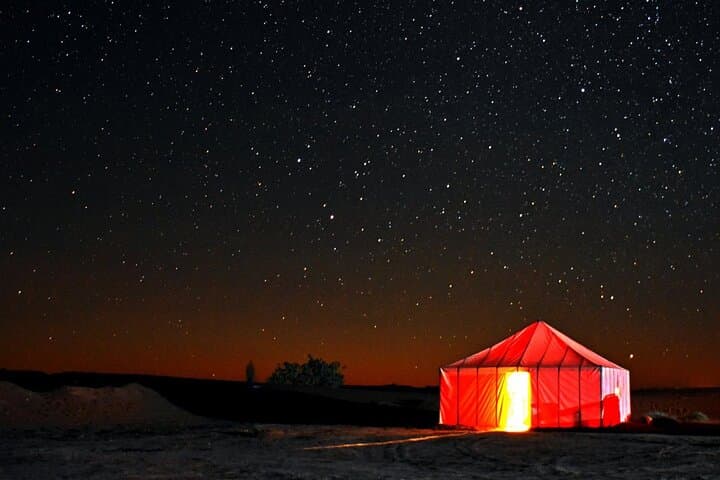
Expect dramatic sunrise and sunset—light that carves the dunes into sharp contrast—and a night under canvas with local music and simple, hearty meals. Terrain shifts from paved mountain passes to sandy plains and soft dune climbs; elevation gains are modest but walking on sand demands more effort than flat trail walks.
Practical edge: hydrate early and often, carry sun protection, and choose footwear with good ankle support and sand gaiters if you plan serious dune hikes. Travel in an air-conditioned 4×4 for long transfers, and factor in variable weather—cool nights, hot days. Respect local customs, ask before photographing people, and pack out what you bring in: the desert keeps its quiet best when left undisturbed.
Verified experiences and guided adventures in the surrounding area.
Operated by Desertbrise Travel · M'Hamid El Ghizlane, Drâa-Tafilalet
You step out of a Marrakech riad before dawn and the road climbs the Tichka Pass, air sharpening as the High Atlas opens its bones.
By midday the landscape softens into palm-lined valleys and kasbahs—Ait Benhaddou’s earthen walls rising like a human-made cliff—then the terrain flattens into the long, copper sweep toward M’Hamid and Erg Chegaga.
This three-day route threads history and geology: ancient caravan tracks, 16th-century kasbahs, and the Draa Valley’s date palm galleries give way to wind-sculpted dunes; Erg Chegaga’s ridges can reach roughly 300 meters and stretch across a 40 km field of sand. Nomad camps and Berber tea rituals punctuate the route, and camel saddles creak as you enter the silence of the dune sea for a two-hour camel ride.
Expect dramatic sunrise and sunset—light that carves the dunes into sharp contrast—and a night under canvas with local music and simple, hearty meals. Terrain shifts from paved mountain passes to sandy plains and soft dune climbs; elevation gains are modest but walking on sand demands more effort than flat trail walks.
Practical edge: hydrate early and often, carry sun protection, and choose footwear with good ankle support and sand gaiters if you plan serious dune hikes. Travel in an air-conditioned 4×4 for long transfers, and factor in variable weather—cool nights, hot days. Respect local customs, ask before photographing people, and pack out what you bring in: the desert keeps its quiet best when left undisturbed.
moderate.
3 days.
Suitable for travelers in average fitness; expect extended periods walking on loose sand which increases exertion.
Expect several short walks on compacted sand and at least one longer climb up dunes for sunrise or sunset; camel rides reduce daytime walking.
Operators note accessibility for many travelers, but dune walking and camel rides can be difficult—consult the provider about specific needs and available transport alternatives.
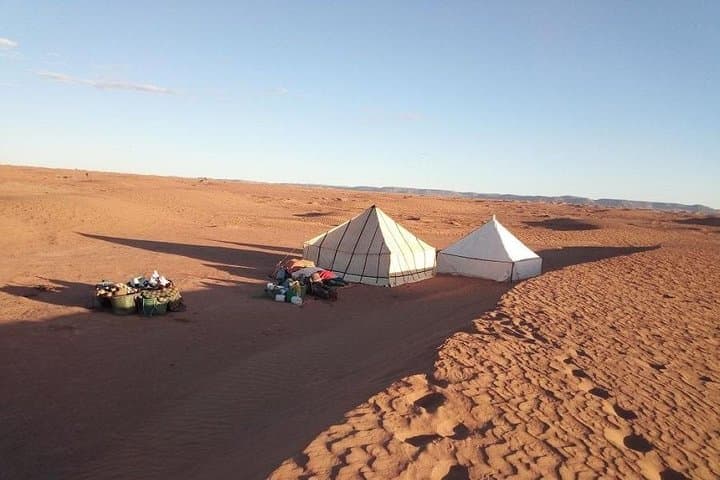
Nights alternate between simple guesthouses and nomad-style tents with basic facilities; communal meals and local entertainment are common.
No special permits are required for tourist travel; check routine travel vaccinations and consult health guidance for Morocco before departure.
This route follows historic caravan corridors linking Atlas communities to the Sahara; Ait Benhaddou is a 16th-century kasbah and UNESCO site used in many films.
Stick to existing tracks, avoid disturbing dune vegetation, and pack out waste—local habitats recover slowly and tourism pressure can accelerate erosion.
Desertbrise Travel operates guided outdoor trips and adventures with an emphasis on safety, stewardship, and memorable experiences.
You step out of a Marrakech riad before dawn and the road climbs the Tichka Pass, air sharpening as the High Atlas opens its bones.
By midday the landscape softens into palm-lined valleys and kasbahs—Ait Benhaddou’s earthen walls rising like a human-made cliff—then the terrain flattens into the long, copper sweep toward M’Hamid and Erg Chegaga.
This three-day route threads history and geology: ancient caravan tracks, 16th-century kasbahs, and the Draa Valley’s date palm galleries give way to wind-sculpted dunes; Erg Chegaga’s ridges can reach roughly 300 meters and stretch across a 40 km field of sand. Nomad camps and Berber tea rituals punctuate the route, and camel saddles creak as you enter the silence of the dune sea for a two-hour camel ride.
Expect dramatic sunrise and sunset—light that carves the dunes into sharp contrast—and a night under canvas with local music and simple, hearty meals. Terrain shifts from paved mountain passes to sandy plains and soft dune climbs; elevation gains are modest but walking on sand demands more effort than flat trail walks.
Practical edge: hydrate early and often, carry sun protection, and choose footwear with good ankle support and sand gaiters if you plan serious dune hikes. Travel in an air-conditioned 4×4 for long transfers, and factor in variable weather—cool nights, hot days. Respect local customs, ask before photographing people, and pack out what you bring in: the desert keeps its quiet best when left undisturbed.
You step out of a Marrakech riad before dawn and the road climbs the Tichka Pass, air sharpening as the High Atlas opens its bones.
By midday the landscape softens into palm-lined valleys and kasbahs—Ait Benhaddou’s earthen walls rising like a human-made cliff—then the terrain flattens into the long, copper sweep toward M’Hamid and Erg Chegaga.
This three-day route threads history and geology: ancient caravan tracks, 16th-century kasbahs, and the Draa Valley’s date palm galleries give way to wind-sculpted dunes; Erg Chegaga’s ridges can reach roughly 300 meters and stretch across a 40 km field of sand. Nomad camps and Berber tea rituals punctuate the route, and camel saddles creak as you enter the silence of the dune sea for a two-hour camel ride.
Expect dramatic sunrise and sunset—light that carves the dunes into sharp contrast—and a night under canvas with local music and simple, hearty meals. Terrain shifts from paved mountain passes to sandy plains and soft dune climbs; elevation gains are modest but walking on sand demands more effort than flat trail walks.
Practical edge: hydrate early and often, carry sun protection, and choose footwear with good ankle support and sand gaiters if you plan serious dune hikes. Travel in an air-conditioned 4×4 for long transfers, and factor in variable weather—cool nights, hot days. Respect local customs, ask before photographing people, and pack out what you bring in: the desert keeps its quiet best when left undisturbed.