THE ADVENTURE COLLECTIVE® · Independent discovery and booking for outdoor travel

A private three-day trek from Hanoi to Pu Luong packs steep climbs, emerald rice terraces, and nights in traditional White Thai homestays. Ideal for travelers with moderate fitness who want culture, clean streams and big valley views in a compact itinerary.
A private three-day trek from Hanoi to Pu Luong packs steep climbs, emerald rice terraces, and nights in traditional White Thai homestays. Ideal for travelers with moderate fitness who want culture, clean streams and big valley views in a compact itinerary.
Morning fog lifts like a curtain over the valley and a string of wooden stilt houses peek into the light—this is Pu Luong Nature Reserve on day one, and the walk in begins before the sun has finished warming the rice terraces.
Verified experiences and guided adventures in the surrounding area.
Operated by Bamboo Adventures · Pu Luong, Thanh Hóa
Morning fog lifts like a curtain over the valley and a string of wooden stilt houses peek into the light—this is Pu Luong Nature Reserve on day one, and the walk in begins before the sun has finished warming the rice terraces.
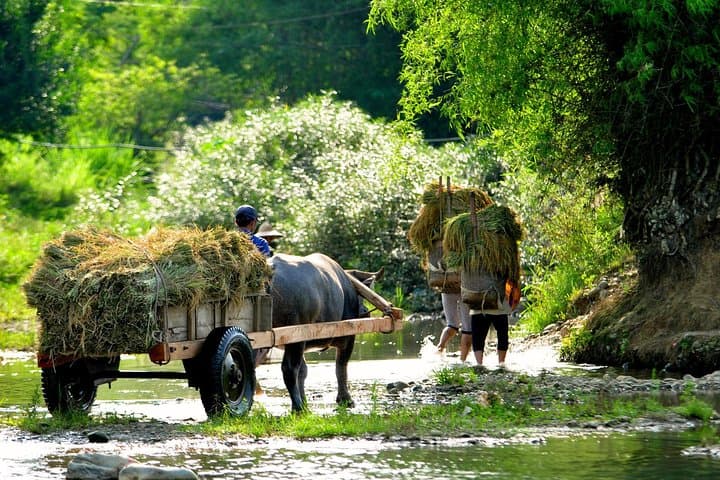
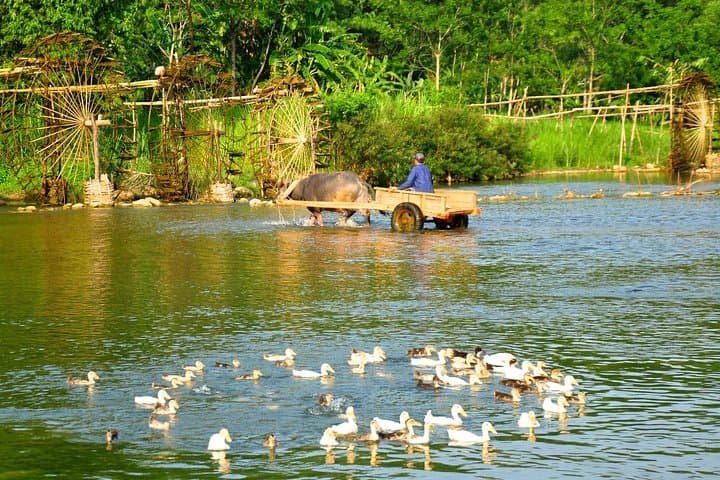
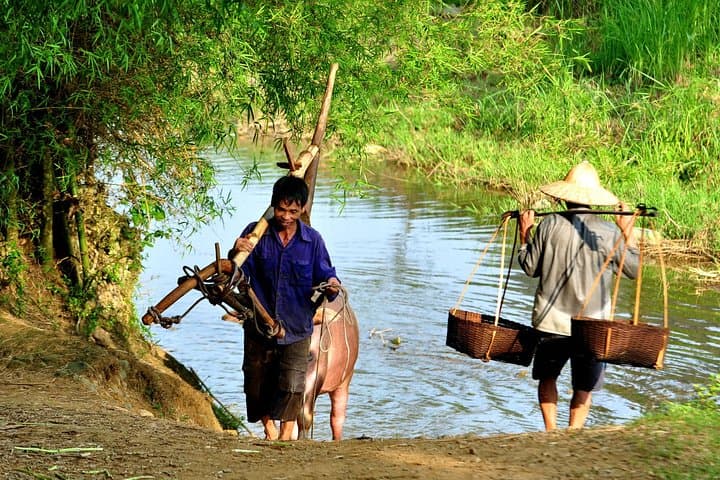
The private 3-day trek links Hanoi and Mai Châu to a remote patchwork of emerald paddies, limestone ridges and forested gullies. Guides steer groups along village tracks worn by generations of farmers; streams dare you to find a dry rock to hop across; the land itself feels capable of surprise. On arrival each evening, hosts open the doors of traditional White Thai stilt houses and serve bowls of simmered greens and sticky rice, and the day’s conversations shift from route-finding to stories of crop cycles and rice wine.
Pu Luong sits on the edge of the northern Annamite Range and its karst geology yields sharp ridgelines and hidden valleys. The reserve protects patches of lowland evergreen forest and a mosaic of terraced fields that local Thai and Muong communities have sculpted for centuries. The route threads cultural history and conservation: homestays and an FFI-supported eco-project in Kho Muong have helped create tourism income while preserving traditional architecture and farming practices.
Trekking here is straightforward in concept but honest in execution. Day one includes a 4-hour drive from Hanoi to Mai Châu, a short market visit and a 7 km entry trek through forests to the first homestay. Day two is the meat of the trip—a 6-hour, 12–15 km day with steep pitches, stream crossings and expansive terrace viewpoints at Eo Ken and Kho Muong. Day three eases to a 3-hour walk to Kit village before the return drive to Hanoi.
Practical advice is simple: bring sturdy boots and a rain shell, carry 2–3 liters of water and a small first-aid kit, and expect basic homestay comforts—mattresses on wooden floors, squat-style toilets in places, and hot meals cooked by the family. Mornings are best for photography and cooler walking; midday can be humid and sticky. Respect village rhythms: ask before photographing people, remove shoes before entering houses, and savour the chance to help with morning chores if offered.
For travelers with a moderate level of fitness and a curiosity about rural Vietnam, Pu Luong delivers a compact, authentic slice of hill-country life—packed with terraces, clean streams and the quiet hospitality of communities that still measure time by rice seasons.
moderate.
3 days (approx. 9–10 hours walking total).
Should be comfortable walking 6+ hours over uneven terrain with some steep climbs; basic stamina and balance are required.
A moderate fitness level is enough—expect sustained walking, some steep climbs and stream crossings; most sections are trail, not technical rock climbing.
Homestays are traditional wooden stilt houses with simple mattresses, shared facilities and home-cooked meals showcasing local ingredients.
Yes—licensed English-speaking guides are included to lead the route and interpret local culture.
Routes can be slippery and stream levels rise; a rain shell and waterproof packing are essential, and guides may alter routes for safety.
Yes—inform the operator of allergies or dietary restrictions when booking so hosts can prepare alternatives where possible.
Signal is intermittent; expect limited coverage in valleys and some villages—plan accordingly for communication needs.
The area is home to Thai and Muong communities whose raised wooden houses and terraced rice fields reflect centuries of mountain agriculture and local craftsmanship.
Pu Luong works with NGOs and village-run eco-homestays to channel tourism income into protecting forest patches and traditional land management; stick to marked trails to limit erosion.
Bamboo Adventures operates guided outdoor trips and adventures with an emphasis on safety, stewardship, and memorable experiences.
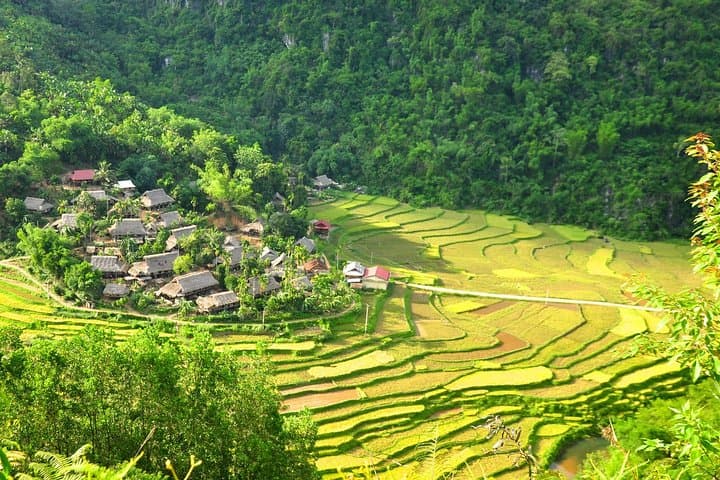
Morning fog lifts like a curtain over the valley and a string of wooden stilt houses peek into the light—this is Pu Luong Nature Reserve on day one, and the walk in begins before the sun has finished warming the rice terraces.
Morning fog lifts like a curtain over the valley and a string of wooden stilt houses peek into the light—this is Pu Luong Nature Reserve on day one, and the walk in begins before the sun has finished warming the rice terraces.
The private 3-day trek links Hanoi and Mai Châu to a remote patchwork of emerald paddies, limestone ridges and forested gullies. Guides steer groups along village tracks worn by generations of farmers; streams dare you to find a dry rock to hop across; the land itself feels capable of surprise. On arrival each evening, hosts open the doors of traditional White Thai stilt houses and serve bowls of simmered greens and sticky rice, and the day’s conversations shift from route-finding to stories of crop cycles and rice wine.
Pu Luong sits on the edge of the northern Annamite Range and its karst geology yields sharp ridgelines and hidden valleys. The reserve protects patches of lowland evergreen forest and a mosaic of terraced fields that local Thai and Muong communities have sculpted for centuries. The route threads cultural history and conservation: homestays and an FFI-supported eco-project in Kho Muong have helped create tourism income while preserving traditional architecture and farming practices.
Trekking here is straightforward in concept but honest in execution. Day one includes a 4-hour drive from Hanoi to Mai Châu, a short market visit and a 7 km entry trek through forests to the first homestay. Day two is the meat of the trip—a 6-hour, 12–15 km day with steep pitches, stream crossings and expansive terrace viewpoints at Eo Ken and Kho Muong. Day three eases to a 3-hour walk to Kit village before the return drive to Hanoi.
Practical advice is simple: bring sturdy boots and a rain shell, carry 2–3 liters of water and a small first-aid kit, and expect basic homestay comforts—mattresses on wooden floors, squat-style toilets in places, and hot meals cooked by the family. Mornings are best for photography and cooler walking; midday can be humid and sticky. Respect village rhythms: ask before photographing people, remove shoes before entering houses, and savour the chance to help with morning chores if offered.
For travelers with a moderate level of fitness and a curiosity about rural Vietnam, Pu Luong delivers a compact, authentic slice of hill-country life—packed with terraces, clean streams and the quiet hospitality of communities that still measure time by rice seasons.