THE ADVENTURE COLLECTIVE® · Independent discovery and booking for outdoor travel

A tightly paced private three-day loop from Zagreb to Plitvice Lakes, the Tesla Memorial and Lake Bled—combining city walking tours, UNESCO waterfalls and alpine vistas with private transfers and licensed local guides.
A tightly paced private three-day loop from Zagreb to Plitvice Lakes, the Tesla Memorial and Lake Bled—combining city walking tours, UNESCO waterfalls and alpine vistas with private transfers and licensed local guides.
You step off the shuttle into a city that keeps one foot in Central Europe and the other poised for Balkan afternoons. A guide holds a sign with your name; Zagreb’s late-morning light slices between Austro-Hungarian façades as you climb into a modern van. The first day moves at the city’s tempo—broad avenues, the intricate masonry of the Green Horseshoe, and a walking tour through the thousand-year heart that reveals where Croatians shop, argue and celebrate.
Verified experiences and guided adventures in the surrounding area.
Operated by Mapping Croatia · Zagreb, Zagreb
You step off the shuttle into a city that keeps one foot in Central Europe and the other poised for Balkan afternoons. A guide holds a sign with your name; Zagreb’s late-morning light slices between Austro-Hungarian façades as you climb into a modern van. The first day moves at the city’s tempo—broad avenues, the intricate masonry of the Green Horseshoe, and a walking tour through the thousand-year heart that reveals where Croatians shop, argue and celebrate.
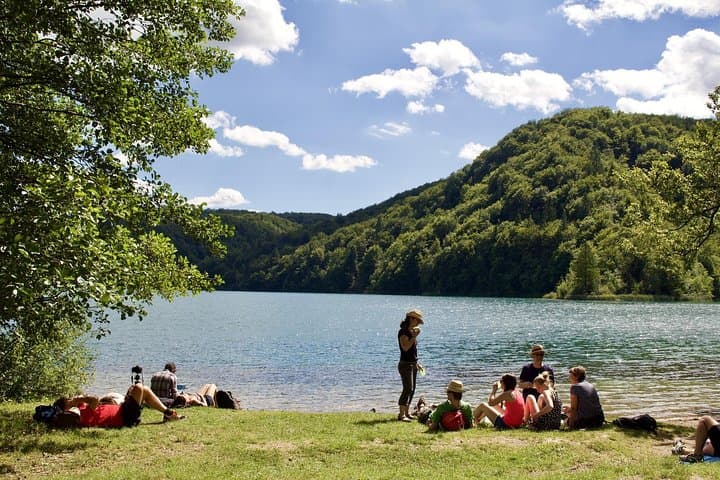
By day two the landscape changes. A 1.5-hour drive south leads to Rastoke, a compact watermill village where the Slunjčica plays mischief with the Korana, creating cascades that tinkle like a well-read sheet of music. From there it’s a short run to Plitvice Lakes National Park: 16 terraced lakes, a network of boardwalks and waterfalls that earned UNESCO recognition in 1979. The park asks you to move deliberately — the wooden paths guide foot traffic, and the water seems to pull your attention downstream. Expect a 3–4 hour loop of walking, punctuated with an electric boat crossing and a short train ride that stitches the park together.
On the way back you can stretch your legs at the Nikola Tesla Memorial in Smiljan. The museum compresses the arc of a life spent between the Habsburg provinces and the laboratories of New York; it is a compact lesson in how one regional story rippled into global invention.
Day three crosses into Slovenia. The itinerary keeps borders simple but remember your passport — the drive skirts the Julian Alps before dropping you at Lake Bled. The island church, the castle above the lake and the alpine backdrop create a visual grammar that draws postcards into real life. Finish with a licensed walking tour of Ljubljana, where Jože Plečnik’s humane urban interventions make riverbanks feel private and civic at once.
Practical edge: the tour is private and includes guidance and transfers across three days, but park entry to Plitvice is separate. Book Plitvice timed tickets in high season, wear supportive shoes for uneven boardwalks, and carry a light waterproof layer—waterfalls make mist even on sunny days. Start early to beat the crowds at Plitvice and Bled; in cities, mid-afternoon is best for cafés and galleries.
Where you sleep and how you move matters—Zagreb serves as both gateway and anchor. This three-day loop balances architecture, geology and inventors’ lore with straightforward logistics: short drives, guided walking, and a steady procession from urban streets to mountain-fed lakes. If you want Croatia and a tidy cross-border taste of Slovenia in a compact, private package, this itinerary gives you both scenery and context without the rush.
moderate.
3 days (multi-day tour).
You should be comfortable walking 3–4 hours over uneven terrain and able to get in and out of vehicles several times per day.
No — park admission is not included. Book timed-entry tickets in advance during peak season to guarantee access.
Yes. The itinerary crosses into Slovenia; bring a valid passport and any necessary travel documentation.
Meals are not listed as included—your guide can recommend local restaurants and stop for lunch, but expect to pay for food separately.
Yes — the operator notes stroller accessibility for infants, but some sections at Plitvice have stairs and narrow boardwalks where a carrier may be easier.
Plan for 3–4 hours of walking on boardwalks and trails with modest elevation changes; pacing can be adjusted for fitness levels.
Yes — pickup from Zagreb airport, main bus or train station is provided on day one; you’ll be asked for arrival details after booking.
Zagreb’s urban core grew under Austro-Hungarian influence; Plitvice’s travertine terraces formed over millennia and were protected as a UNESCO site in 1979.
Plitvice enforces boardwalk-only access and visitor limits in high season to protect water quality and fragile travertine formations—stick to marked trails and avoid introducing soaps or plastics to waterways.
Mapping Croatia operates guided outdoor trips and adventures with an emphasis on safety, stewardship, and memorable experiences.


You step off the shuttle into a city that keeps one foot in Central Europe and the other poised for Balkan afternoons. A guide holds a sign with your name; Zagreb’s late-morning light slices between Austro-Hungarian façades as you climb into a modern van. The first day moves at the city’s tempo—broad avenues, the intricate masonry of the Green Horseshoe, and a walking tour through the thousand-year heart that reveals where Croatians shop, argue and celebrate.
You step off the shuttle into a city that keeps one foot in Central Europe and the other poised for Balkan afternoons. A guide holds a sign with your name; Zagreb’s late-morning light slices between Austro-Hungarian façades as you climb into a modern van. The first day moves at the city’s tempo—broad avenues, the intricate masonry of the Green Horseshoe, and a walking tour through the thousand-year heart that reveals where Croatians shop, argue and celebrate.
By day two the landscape changes. A 1.5-hour drive south leads to Rastoke, a compact watermill village where the Slunjčica plays mischief with the Korana, creating cascades that tinkle like a well-read sheet of music. From there it’s a short run to Plitvice Lakes National Park: 16 terraced lakes, a network of boardwalks and waterfalls that earned UNESCO recognition in 1979. The park asks you to move deliberately — the wooden paths guide foot traffic, and the water seems to pull your attention downstream. Expect a 3–4 hour loop of walking, punctuated with an electric boat crossing and a short train ride that stitches the park together.
On the way back you can stretch your legs at the Nikola Tesla Memorial in Smiljan. The museum compresses the arc of a life spent between the Habsburg provinces and the laboratories of New York; it is a compact lesson in how one regional story rippled into global invention.
Day three crosses into Slovenia. The itinerary keeps borders simple but remember your passport — the drive skirts the Julian Alps before dropping you at Lake Bled. The island church, the castle above the lake and the alpine backdrop create a visual grammar that draws postcards into real life. Finish with a licensed walking tour of Ljubljana, where Jože Plečnik’s humane urban interventions make riverbanks feel private and civic at once.
Practical edge: the tour is private and includes guidance and transfers across three days, but park entry to Plitvice is separate. Book Plitvice timed tickets in high season, wear supportive shoes for uneven boardwalks, and carry a light waterproof layer—waterfalls make mist even on sunny days. Start early to beat the crowds at Plitvice and Bled; in cities, mid-afternoon is best for cafés and galleries.
Where you sleep and how you move matters—Zagreb serves as both gateway and anchor. This three-day loop balances architecture, geology and inventors’ lore with straightforward logistics: short drives, guided walking, and a steady procession from urban streets to mountain-fed lakes. If you want Croatia and a tidy cross-border taste of Slovenia in a compact, private package, this itinerary gives you both scenery and context without the rush.