THE ADVENTURE COLLECTIVE® · Independent discovery and booking for outdoor travel

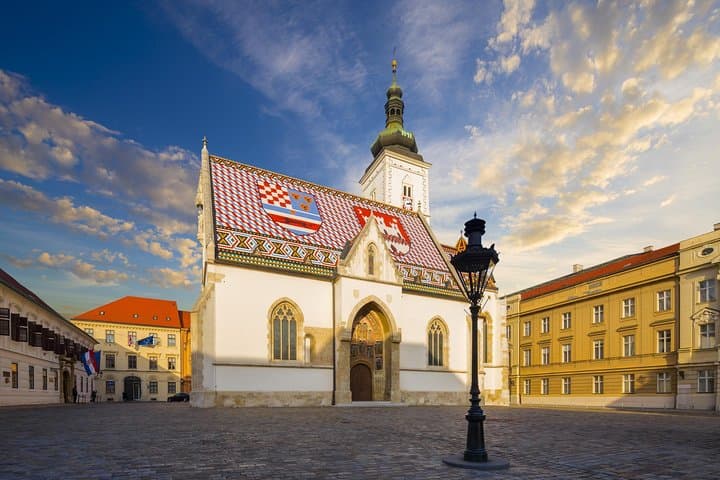
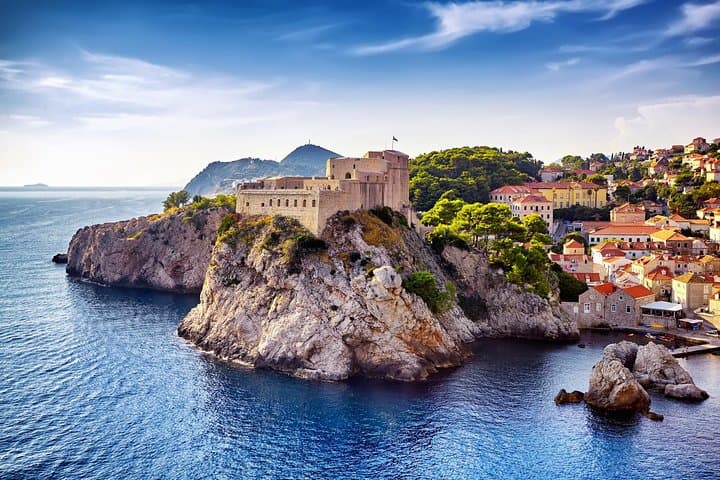
Move from Zagreb’s urban pulse to the turquoise drama of Plitvice, then onward through Split’s Roman heart, Mostar’s Ottoman arches and Dubrovnik’s medieval walls. This private 3-day tour packs Croatia’s landscape and history into a seamless, skip-the-line itinerary.
Move from Zagreb’s urban pulse to the turquoise drama of Plitvice, then onward through Split’s Roman heart, Mostar’s Ottoman arches and Dubrovnik’s medieval walls. This private 3-day tour packs Croatia’s landscape and history into a seamless, skip-the-line itinerary.
On the first light of morning, your minivan slips out of Zagreb and the city’s art-deco facades recede into a corridor of beech and oak. The road climbs and the air sharpens; by midmorning you’re in Rastoke, where watermills still bite at clear streams and small falls chatter like a local guide. It’s an efficient opening act for Plitvice Lakes: within an hour the landscape turns theatrical—tiered turquoise pools, tumbled travertine ledges and a network of wooden boardwalks that let you walk the water itself.
Verified experiences and guided adventures in the surrounding area.
Operated by Zico Tours · Zagreb, Zagreb County
On the first light of morning, your minivan slips out of Zagreb and the city’s art-deco facades recede into a corridor of beech and oak. The road climbs and the air sharpens; by midmorning you’re in Rastoke, where watermills still bite at clear streams and small falls chatter like a local guide. It’s an efficient opening act for Plitvice Lakes: within an hour the landscape turns theatrical—tiered turquoise pools, tumbled travertine ledges and a network of wooden boardwalks that let you walk the water itself.
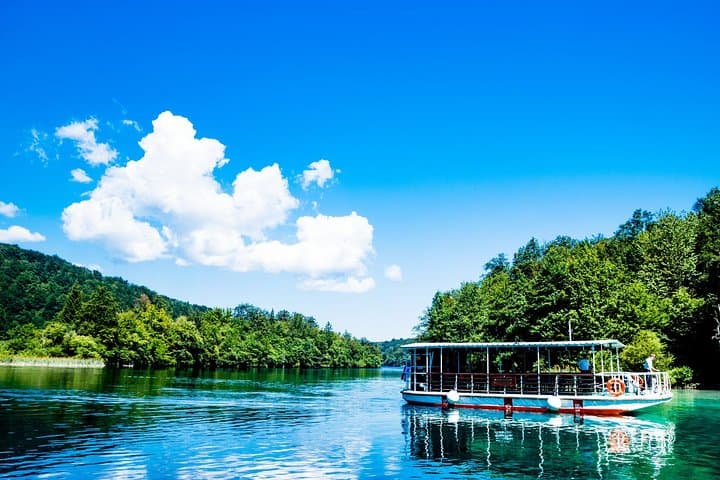
Plitvice is Croatia’s geological headline. Limestone and travertine, built over millennia by mineral-rich springs and the slow work of algae, have created steps and basins that capture water in saturated blues. The park is UNESCO-listed for a reason: the falls move, the lakes change color with the light, and the pathways funnel you past Veliki Slap’s thunder and across the placid Kozjak by boat.
By late afternoon the coast calls. Split feels different—ancient stones warmed by sea air, Diocletian’s Palace folding living rooms, shops and cafés into a 1,700-year-old Roman footprint. The guide threads history through alleys: Roman engineering, medieval struggles, Venetian trade—each paving stone a chapter. Climb Marjan Hill for a coastal panorama that measures your day’s travel in miles of Adriatic blue.
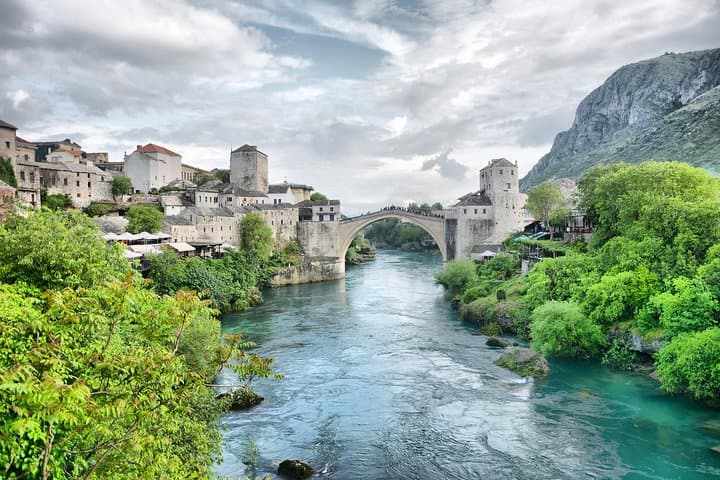
Day three surfaces a different history in Mostar, where the Neretva River cuts through an Ottoman-influenced old town. The rebuilt Stari Most arches 24 meters over emerald water and invites the local divers’ ritual leap. Conversation here includes Ottoman architecture and the scars of the 1990s—this stop is as much about memory as it is about a postcard view.
Practical edge: this is a private, skip-the-line itinerary with park entry and local guides included, but the days are long—expect multiple hours on the road between highlights. Pack light, plan for stairs and boardwalks in Plitvice, and bring a small daypack for water, snacks and a waterproof layer. Border crossing to Bosnia and Herzegovina is smooth but carry your passport and any necessary visas. Comfortable walking shoes, sun protection and a good camera matter; plug-in time for meals in Split and Mostar so you can taste the region—cevapi in Mostar, fresh seafood along Split’s Riva.
In three days you’ll move from inland lakes to Roman ruins to Ottoman bridges to medieval walls. The rhythm of the trip is brisk but rewarding: every stop offers its own geology, culture and a pragmatic reminder—history here is lived, and nature insists on being seen up close.
moderate.
3 days.
Light-to-moderate fitness—able to walk several hours with short uphill sections and manage stairs and boardwalks.
Yes—this itinerary crosses into Bosnia and Herzegovina on day three, so bring a valid passport; check visa requirements for your nationality.
Entrance to Plitvice Lakes National Park is included in the tour price; other attractions listed may be covered as noted in the itinerary.
Expect several hours of moderate walking each day—boardwalks and stairs at Plitvice, cobbled streets in Split and Mostar—comfortable shoes are recommended.
Bottled water is included; restaurant meals are generally at your own expense, giving you flexibility to sample local cuisine.
Yes—inform the operator at booking and the guide can advise on suitable local options and restaurant choices.
The tour is rated physically easy in logistics but involves long transfers; it’s suitable for families and seniors who can handle moderate walking and vehicle travel.
The route stitches Roman Split, Ottoman Mostar and Dubrovnik’s medieval maritime republic together—each stop reflects layers of empire and trade across the Adriatic.
Plitvice is protected under UNESCO rules—stay on boardwalks, don’t feed wildlife, and swimming in the lakes is prohibited to protect delicate travertine formations.
Zico Tours operates guided outdoor trips and adventures with an emphasis on safety, stewardship, and memorable experiences.
On the first light of morning, your minivan slips out of Zagreb and the city’s art-deco facades recede into a corridor of beech and oak. The road climbs and the air sharpens; by midmorning you’re in Rastoke, where watermills still bite at clear streams and small falls chatter like a local guide. It’s an efficient opening act for Plitvice Lakes: within an hour the landscape turns theatrical—tiered turquoise pools, tumbled travertine ledges and a network of wooden boardwalks that let you walk the water itself.
On the first light of morning, your minivan slips out of Zagreb and the city’s art-deco facades recede into a corridor of beech and oak. The road climbs and the air sharpens; by midmorning you’re in Rastoke, where watermills still bite at clear streams and small falls chatter like a local guide. It’s an efficient opening act for Plitvice Lakes: within an hour the landscape turns theatrical—tiered turquoise pools, tumbled travertine ledges and a network of wooden boardwalks that let you walk the water itself.
Plitvice is Croatia’s geological headline. Limestone and travertine, built over millennia by mineral-rich springs and the slow work of algae, have created steps and basins that capture water in saturated blues. The park is UNESCO-listed for a reason: the falls move, the lakes change color with the light, and the pathways funnel you past Veliki Slap’s thunder and across the placid Kozjak by boat.
By late afternoon the coast calls. Split feels different—ancient stones warmed by sea air, Diocletian’s Palace folding living rooms, shops and cafés into a 1,700-year-old Roman footprint. The guide threads history through alleys: Roman engineering, medieval struggles, Venetian trade—each paving stone a chapter. Climb Marjan Hill for a coastal panorama that measures your day’s travel in miles of Adriatic blue.
Day three surfaces a different history in Mostar, where the Neretva River cuts through an Ottoman-influenced old town. The rebuilt Stari Most arches 24 meters over emerald water and invites the local divers’ ritual leap. Conversation here includes Ottoman architecture and the scars of the 1990s—this stop is as much about memory as it is about a postcard view.
Practical edge: this is a private, skip-the-line itinerary with park entry and local guides included, but the days are long—expect multiple hours on the road between highlights. Pack light, plan for stairs and boardwalks in Plitvice, and bring a small daypack for water, snacks and a waterproof layer. Border crossing to Bosnia and Herzegovina is smooth but carry your passport and any necessary visas. Comfortable walking shoes, sun protection and a good camera matter; plug-in time for meals in Split and Mostar so you can taste the region—cevapi in Mostar, fresh seafood along Split’s Riva.
In three days you’ll move from inland lakes to Roman ruins to Ottoman bridges to medieval walls. The rhythm of the trip is brisk but rewarding: every stop offers its own geology, culture and a pragmatic reminder—history here is lived, and nature insists on being seen up close.