THE ADVENTURE COLLECTIVE® · Independent discovery and booking for outdoor travel

A compact three-day private tour from Amman that threads Roman ruins, Nabatean rock-cut cities, Bedouin desert nights, and the buoyant Dead Sea. Ideal for travelers who want concentrated highlights with private transport and local insight.
A compact three-day private tour from Amman that threads Roman ruins, Nabatean rock-cut cities, Bedouin desert nights, and the buoyant Dead Sea. Ideal for travelers who want concentrated highlights with private transport and local insight.
You step out of a cool Amman hotel lobby before dawn, the city still rubbing sleep from its shoulders. The driver eases onto the highway and the landscape opens—olive-dotted hills give way to columns and carved facades, then to an ochre desert that swallows the horizon. Over three days this route moves fast: Roman colonnades at Jerash, the carved rose-red face of Petra, the lunar plains of Wadi Rum, and finally, the buoyant stillness of the Dead Sea.
Verified experiences and guided adventures in the surrounding area.
Operated by Jordan Private Tours and Travel · Amman, Amman Governorate
You step out of a cool Amman hotel lobby before dawn, the city still rubbing sleep from its shoulders. The driver eases onto the highway and the landscape opens—olive-dotted hills give way to columns and carved facades, then to an ochre desert that swallows the horizon. Over three days this route moves fast: Roman colonnades at Jerash, the carved rose-red face of Petra, the lunar plains of Wadi Rum, and finally, the buoyant stillness of the Dead Sea.
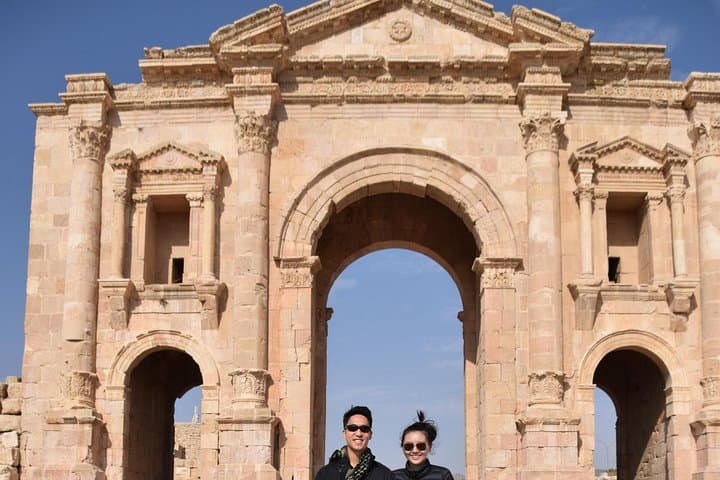
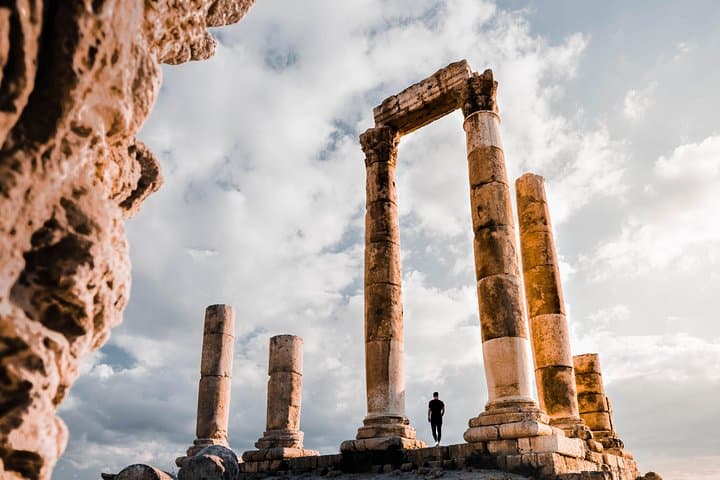
Jerash moves like a classroom in stone. Its oval forum, fluted columns, and theaters are Roman engineering posed against an Eastern sky; archaeologists trace layers of Greek, Roman, Byzantine and Islamic life here. Ajloun Castle, a 12th-century Muslim fortress, perches on a forested ridge above the Jordan Valley—its battlements were designed to control medieval trade routes.
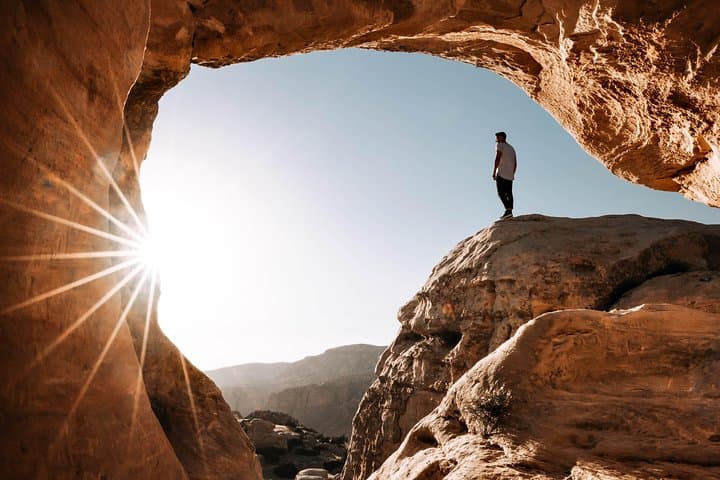
Petra is on another scale: a Nabatean capital hewn into sandstone, where the Siq funnels visitors to the Treasury and abrupt, theatrical reveals. Geology does the heavy lifting—wind and water have sculpted the sandstone into veils, striations and caverns that change tone with every hour of the day.
Wadi Rum is desert with personality. Wind-carved towers and rust-colored dunes hold Bedouin routes and starlit histories; the Bedouin camps offered on this itinerary put you in a communal tent with dinner around a low fire and a chance to hear landscape stories from hosts who know every wadi and spring.
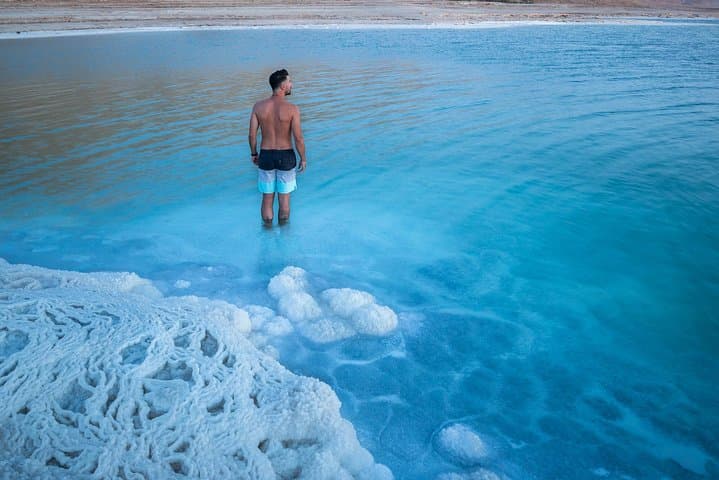
The Dead Sea is a counterpoint: a salt-flat mirror where hydrochemistry allows you to float with minimal effort, the skin tingling from the mineral-rich water. But the shoreline is changing—recede here, reclaim there—the region’s environment is fragile and subject to human pressures.
Practicalities: this private three-day tour departs and returns to Amman, includes one night in Amman and one in a Wadi Rum Bedouin camp, and covers long drives—expect several hours on the road each day. Petra demands comfortable walking shoes and early starts to avoid heat and crowds; Wadi Rum’s jeep ride is bumpy and best enjoyed with a light jacket for evening chill. Bring cash for site entry fees if you don’t buy a Jordan Pass in advance (the pass covers many major sites and can save time and money).
Timing matters: start Petra before 8am, plan Wadi Rum for sunset and sunrise, and leave the Dead Sea for the gentler light of late afternoon. Respect Bedouin camp rules, avoid souvenir collection from ruins, and hydrate: the desert will ask for more water than you expect.
Three intense days stitch together Jordan’s histories and landscapes. If you want concentrated exposure to the country’s highlights with local guides and private transport, this route delivers both spectacle and context—packed, practical, and profoundly placeful.
moderate.
3 days.
Moderate fitness—able to walk several hours on uneven ground and handle long vehicle transfers
You don't need it, but the Jordan Pass bundles visa and entry fees for many major sites—buying it before arrival often reduces costs and speeds entry to Petra and other attractions.
No; the tour lists site entry fees as not included. You can pay on arrival or use a Jordan Pass if you have one.
Accommodations range from basic shared tents to private glamping tents; this tour includes one Bedouin-camp night with dinner and breakfast—confirm tent type when booking.
Yes—floating is generally safe but avoid swallowing water, don’t shave within 24 hours before swimming, and rinse off at a resort facility after your dip.
Yes—expect several hours of driving between Amman, Jerash, Petra, Wadi Rum and the Dead Sea; private transport with an English-speaking driver is provided.
Travelers with serious back, heart, or pregnancy-related conditions are advised against this itinerary due to walking at Petra and uneven surfaces in Wadi Rum; consult the operator if in doubt.
Jerash preserves one of the best concentrations of Roman urban planning outside Italy, while Petra reflects Nabatean engineering and trade networks; Wadi Rum has been used by Bedouin communities for centuries.
The region faces water scarcity and the Dead Sea’s shrinking shoreline; support local guides, avoid removing artifacts, and minimize water use and plastic waste.
Jordan Private Tours and Travel operates guided outdoor trips and adventures with an emphasis on safety, stewardship, and memorable experiences.
You step out of a cool Amman hotel lobby before dawn, the city still rubbing sleep from its shoulders. The driver eases onto the highway and the landscape opens—olive-dotted hills give way to columns and carved facades, then to an ochre desert that swallows the horizon. Over three days this route moves fast: Roman colonnades at Jerash, the carved rose-red face of Petra, the lunar plains of Wadi Rum, and finally, the buoyant stillness of the Dead Sea.
You step out of a cool Amman hotel lobby before dawn, the city still rubbing sleep from its shoulders. The driver eases onto the highway and the landscape opens—olive-dotted hills give way to columns and carved facades, then to an ochre desert that swallows the horizon. Over three days this route moves fast: Roman colonnades at Jerash, the carved rose-red face of Petra, the lunar plains of Wadi Rum, and finally, the buoyant stillness of the Dead Sea.
Jerash moves like a classroom in stone. Its oval forum, fluted columns, and theaters are Roman engineering posed against an Eastern sky; archaeologists trace layers of Greek, Roman, Byzantine and Islamic life here. Ajloun Castle, a 12th-century Muslim fortress, perches on a forested ridge above the Jordan Valley—its battlements were designed to control medieval trade routes.
Petra is on another scale: a Nabatean capital hewn into sandstone, where the Siq funnels visitors to the Treasury and abrupt, theatrical reveals. Geology does the heavy lifting—wind and water have sculpted the sandstone into veils, striations and caverns that change tone with every hour of the day.
Wadi Rum is desert with personality. Wind-carved towers and rust-colored dunes hold Bedouin routes and starlit histories; the Bedouin camps offered on this itinerary put you in a communal tent with dinner around a low fire and a chance to hear landscape stories from hosts who know every wadi and spring.
The Dead Sea is a counterpoint: a salt-flat mirror where hydrochemistry allows you to float with minimal effort, the skin tingling from the mineral-rich water. But the shoreline is changing—recede here, reclaim there—the region’s environment is fragile and subject to human pressures.
Practicalities: this private three-day tour departs and returns to Amman, includes one night in Amman and one in a Wadi Rum Bedouin camp, and covers long drives—expect several hours on the road each day. Petra demands comfortable walking shoes and early starts to avoid heat and crowds; Wadi Rum’s jeep ride is bumpy and best enjoyed with a light jacket for evening chill. Bring cash for site entry fees if you don’t buy a Jordan Pass in advance (the pass covers many major sites and can save time and money).
Timing matters: start Petra before 8am, plan Wadi Rum for sunset and sunrise, and leave the Dead Sea for the gentler light of late afternoon. Respect Bedouin camp rules, avoid souvenir collection from ruins, and hydrate: the desert will ask for more water than you expect.
Three intense days stitch together Jordan’s histories and landscapes. If you want concentrated exposure to the country’s highlights with local guides and private transport, this route delivers both spectacle and context—packed, practical, and profoundly placeful.