THE ADVENTURE COLLECTIVE® · Independent discovery and booking for outdoor travel

A focused 3-day itinerary that moves from Kigali to the misted slopes of Bwindi for an intimate mountain gorilla encounter. Expect steep, muddy trails, a regulated hour with a gorilla family, and cross-border logistics handled for you.
A focused 3-day itinerary that moves from Kigali to the misted slopes of Bwindi for an intimate mountain gorilla encounter. Expect steep, muddy trails, a regulated hour with a gorilla family, and cross-border logistics handled for you.
Morning light breaks over the Rift Valley as your vehicle slips out of Kigali and climbs toward the high forests of southwestern Uganda.
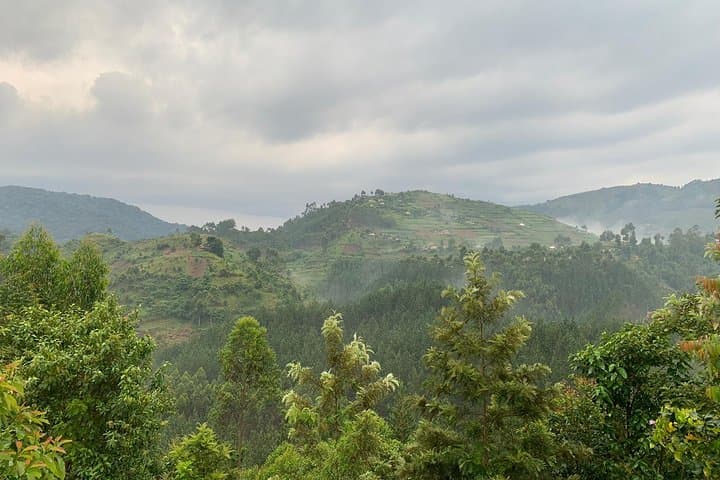
By mid-afternoon the road skirts tea terraces and volcanic ridgelines, and there’s a tangible change in air—cooler, damp, charged with the smell of moss. Bwindi Impenetrable Forest is immediate: steep slopes, dense understory, and trunks wrapped in lianas. You sleep in a midrange lodge near the park and rise early for a park briefing; by mid-morning you push into the forest under the guidance of rangers, trackers and local guides.
Bwindi sits on the western arm of the Albertine Rift, a mosaic of ancient rain forest and volcanic highlands. Its soils and where the forest clings to slopes produce a patchwork of microhabitats that made this place a refuge for mountain gorillas and a cultural home to Batwa and Bakiga communities.
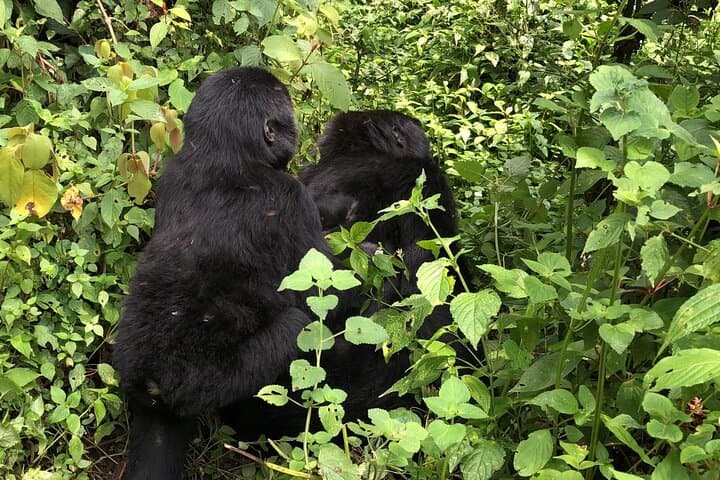
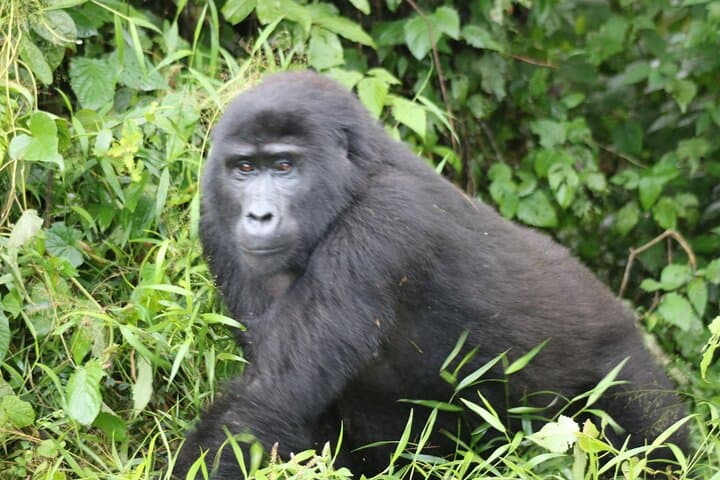
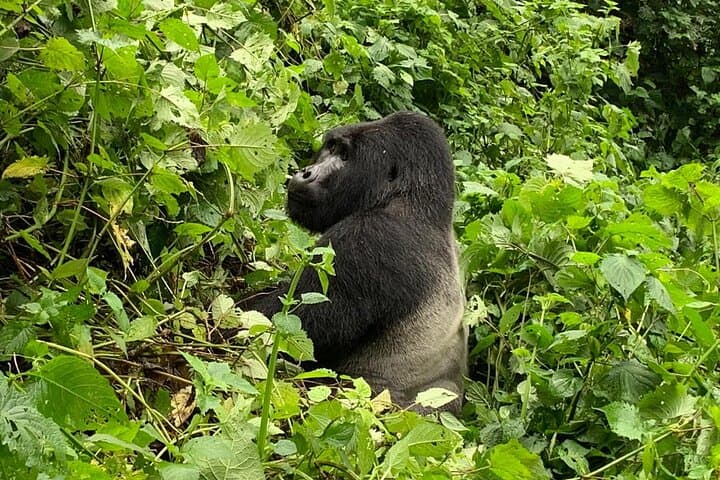
Trekking ranges from a short bush walk to a steep, hours-long scramble—expect muddy trails, root lattices and up to several hundred meters of elevation change per day (park elevations run roughly 1,160–2,600 m). Once located, groups spend the regulated one hour with a gorilla family, observing social behaviors and intimate interactions.
Practical guidance: permits and cross-border transfers from Kigali are arranged in advance and the drive is about 4–5 hours each way. Wear waterproof boots, gaiters and layered clothing; bring 2–3 liters of water, snacks, insect repellent and a camera with a quiet shutter. If permits aren’t available, Mgahinga is the nearest alternative for golden monkeys. Respect ranger instructions, move slowly, and be prepared for a physically demanding but profoundly direct wildlife encounter.
Verified experiences and guided adventures in the surrounding area.
Operated by Bamboo Ecotours · Kisoro, Kisoro District
Morning light breaks over the Rift Valley as your vehicle slips out of Kigali and climbs toward the high forests of southwestern Uganda.
By mid-afternoon the road skirts tea terraces and volcanic ridgelines, and there’s a tangible change in air—cooler, damp, charged with the smell of moss. Bwindi Impenetrable Forest is immediate: steep slopes, dense understory, and trunks wrapped in lianas. You sleep in a midrange lodge near the park and rise early for a park briefing; by mid-morning you push into the forest under the guidance of rangers, trackers and local guides.
Bwindi sits on the western arm of the Albertine Rift, a mosaic of ancient rain forest and volcanic highlands. Its soils and where the forest clings to slopes produce a patchwork of microhabitats that made this place a refuge for mountain gorillas and a cultural home to Batwa and Bakiga communities.
Trekking ranges from a short bush walk to a steep, hours-long scramble—expect muddy trails, root lattices and up to several hundred meters of elevation change per day (park elevations run roughly 1,160–2,600 m). Once located, groups spend the regulated one hour with a gorilla family, observing social behaviors and intimate interactions.
Practical guidance: permits and cross-border transfers from Kigali are arranged in advance and the drive is about 4–5 hours each way. Wear waterproof boots, gaiters and layered clothing; bring 2–3 liters of water, snacks, insect repellent and a camera with a quiet shutter. If permits aren’t available, Mgahinga is the nearest alternative for golden monkeys. Respect ranger instructions, move slowly, and be prepared for a physically demanding but profoundly direct wildlife encounter.
challenging.
3 days.
Suitable for those with moderate to strong fitness—able to hike uneven, steep terrain for several hours and manage sudden elevation changes.
Trek length varies—some are short (under 1–2 hours), others can be half a day or more depending on gorillas’ locations; plan for variable walking time.
Yes—gorilla trekking permits are required; this tour includes permits and the Rwanda–Uganda transfer logistics as described in the itinerary.
Moderate to good fitness is recommended; you should be comfortable hiking uneven ground, steep ascents and potentially several hours on foot.
Visitors with serious heart or spinal problems and pregnant travelers are advised not to trek; children’s rules vary—check park guidelines and permit conditions.
Bwindi’s forest survived because its steep, rugged terrain insulated it from large-scale agriculture; it became a national park in 1991 to protect its unique primate populations.
Gorilla trekking is tightly regulated to minimize disease transmission and disturbance—support community-run tourism projects and follow ranger guidance to reduce impact.
Bamboo Ecotours operates guided outdoor trips and adventures with an emphasis on safety, stewardship, and memorable experiences.
Morning light breaks over the Rift Valley as your vehicle slips out of Kigali and climbs toward the high forests of southwestern Uganda.
By mid-afternoon the road skirts tea terraces and volcanic ridgelines, and there’s a tangible change in air—cooler, damp, charged with the smell of moss. Bwindi Impenetrable Forest is immediate: steep slopes, dense understory, and trunks wrapped in lianas. You sleep in a midrange lodge near the park and rise early for a park briefing; by mid-morning you push into the forest under the guidance of rangers, trackers and local guides.
Bwindi sits on the western arm of the Albertine Rift, a mosaic of ancient rain forest and volcanic highlands. Its soils and where the forest clings to slopes produce a patchwork of microhabitats that made this place a refuge for mountain gorillas and a cultural home to Batwa and Bakiga communities.
Trekking ranges from a short bush walk to a steep, hours-long scramble—expect muddy trails, root lattices and up to several hundred meters of elevation change per day (park elevations run roughly 1,160–2,600 m). Once located, groups spend the regulated one hour with a gorilla family, observing social behaviors and intimate interactions.
Practical guidance: permits and cross-border transfers from Kigali are arranged in advance and the drive is about 4–5 hours each way. Wear waterproof boots, gaiters and layered clothing; bring 2–3 liters of water, snacks, insect repellent and a camera with a quiet shutter. If permits aren’t available, Mgahinga is the nearest alternative for golden monkeys. Respect ranger instructions, move slowly, and be prepared for a physically demanding but profoundly direct wildlife encounter.
Morning light breaks over the Rift Valley as your vehicle slips out of Kigali and climbs toward the high forests of southwestern Uganda.
By mid-afternoon the road skirts tea terraces and volcanic ridgelines, and there’s a tangible change in air—cooler, damp, charged with the smell of moss. Bwindi Impenetrable Forest is immediate: steep slopes, dense understory, and trunks wrapped in lianas. You sleep in a midrange lodge near the park and rise early for a park briefing; by mid-morning you push into the forest under the guidance of rangers, trackers and local guides.
Bwindi sits on the western arm of the Albertine Rift, a mosaic of ancient rain forest and volcanic highlands. Its soils and where the forest clings to slopes produce a patchwork of microhabitats that made this place a refuge for mountain gorillas and a cultural home to Batwa and Bakiga communities.
Trekking ranges from a short bush walk to a steep, hours-long scramble—expect muddy trails, root lattices and up to several hundred meters of elevation change per day (park elevations run roughly 1,160–2,600 m). Once located, groups spend the regulated one hour with a gorilla family, observing social behaviors and intimate interactions.
Practical guidance: permits and cross-border transfers from Kigali are arranged in advance and the drive is about 4–5 hours each way. Wear waterproof boots, gaiters and layered clothing; bring 2–3 liters of water, snacks, insect repellent and a camera with a quiet shutter. If permits aren’t available, Mgahinga is the nearest alternative for golden monkeys. Respect ranger instructions, move slowly, and be prepared for a physically demanding but profoundly direct wildlife encounter.