THE ADVENTURE COLLECTIVE® · Independent discovery and booking for outdoor travel

A compact, three-day circuit from Dublin that stitches Glendalough, the Dingle Peninsula, Killarney and the Rock of Cashel into a small-group journey of dramatic coastlines, early-Christian sites and lived-in Irish culture. Expect short walks, sweeping viewpoints and local storytelling.
A compact, three-day circuit from Dublin that stitches Glendalough, the Dingle Peninsula, Killarney and the Rock of Cashel into a small-group journey of dramatic coastlines, early-Christian sites and lived-in Irish culture. Expect short walks, sweeping viewpoints and local storytelling.
You step out of Dublin’s steady urban rhythm and into a landscape that seems to have its own agenda: low clouds scud across limestone outcrops, peat bogs darken the roadside, and the Atlantic begins to unclench in the distance.
Verified experiences and guided adventures in the surrounding area.
Operated by Rabbie's Small Group Tours Ireland · Dingle, County Kerry
You step out of Dublin’s steady urban rhythm and into a landscape that seems to have its own agenda: low clouds scud across limestone outcrops, peat bogs darken the roadside, and the Atlantic begins to unclench in the distance.
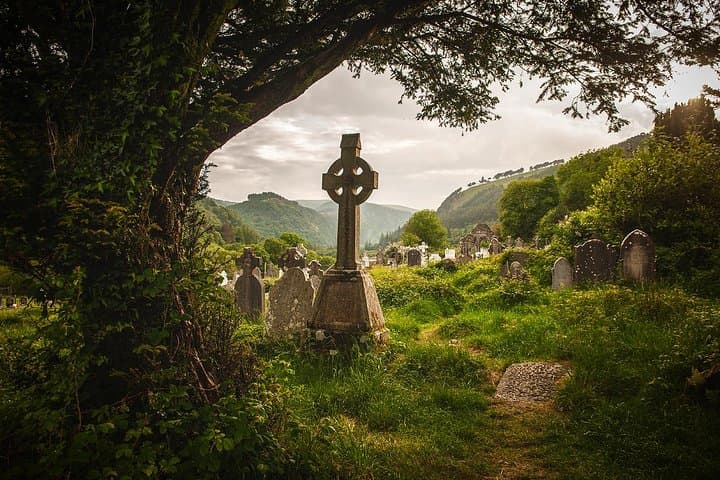
On day one the bus threads west through patchwork fields toward Glendalough, where a round tower and ruined churches keep watch over twin lakes. The valley feels older than history—St. Kevin’s sixth-century monastic settlement sits quiet, stone rubbing against the wind like pages in a forgotten book. From there the route skims thatched cottages at Adare and climbs to the ruin of Dunamase, its silhouette slicing into the plain.
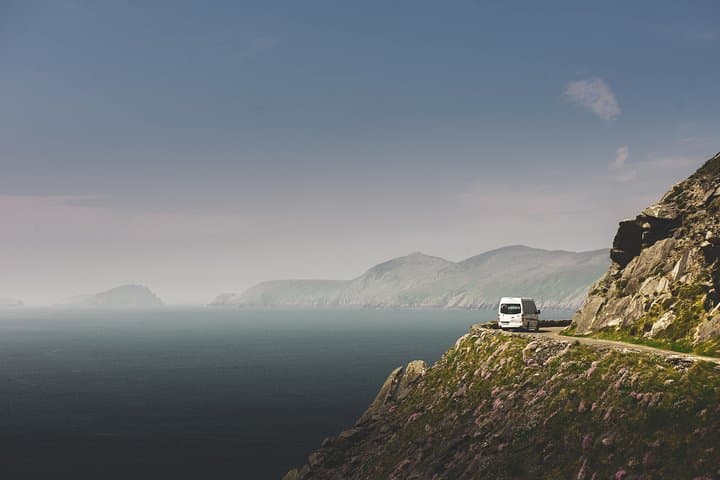
By the second day the Dingle Peninsula takes over: hairpin roads on Conor Pass, arcing cliffs at Slea Head, and the low-browed beehive huts that map early Christian pilgrims’ footprints. Geologically, this coastline is a study in hard and soft—ancient sedimentary beds folded by tectonic pressure, capped in places by basalt and eroded into dramatic headlands that dare the ocean to come closer.
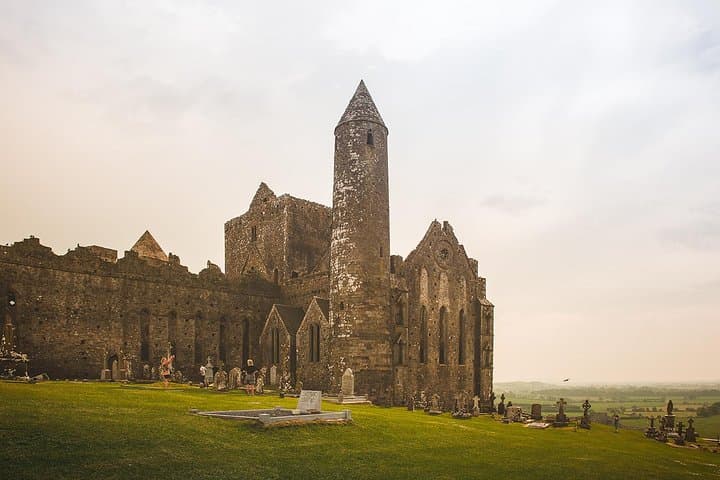
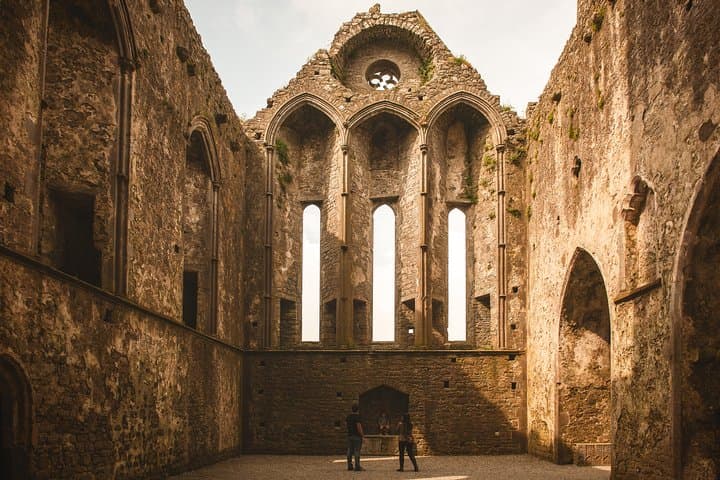
Culture here is tactile; this is the Gaeltacht, where Irish is still the living tongue. Driver-guides deliver stories—song, saints, shipwrecks—between photo stops, and small pubs offer stout and music that feels like the area speaking back to you. Sites such as Gallarus Oratory and the Rock of Cashel anchor the trip in medieval craft and ecclesiastical power, while Inch Beach and Torc Waterfall give the natural world its own interludes.
Practical note: this is designed as a relaxed, small-group tour with a maximum of 16 passengers and two nights’ en-suite accommodation with breakfast included. Walks are short and accessible; expect multiple brief hikes and viewpoint stops rather than long-distance trekking. Luggage is limited to 20 kg per person—one bag similar to an airline carry-on—so pack compactly.
Bring layered waterproofs, sturdy walking shoes, and a small daypack for camera, snacks, and a thermos; Ireland can flip from bright to sodden in an hour. Arrive 15 minutes early at the Dublin meeting point, and be ready for manual confirmation of bookings. The itinerary covers both iconic vistas and quieter moments of rural life—listen for the language in roadside villages, and leave room in your camera roll for weather-driven drama.
This is an outward-facing trip: scenic highways, lived-in culture, and short pilgrimages to both ancient monastic sites and wild, wind-pushed coasts. It’s ideal if you want a compact window into southwest Ireland’s geology, history, and coastal character without the logistics of self-driving.
easy.
3 days.
Suitable for travelers in regular everyday fitness—short, mostly easy walks with occasional steps and uneven ground.
Transport by 16-seat Mercedes mini-coach, a professional driver-guide, and two nights’ en-suite accommodation with breakfast are included.
Each person is limited to one piece of luggage up to 20 kg (55 x 45 x 25 cm) plus a small personal item for the coach.
Breakfast is included each morning; lunches and dinners are at your own expense, with many towns offering a variety of dining options.
Children aged 5 and older can join; the tour operator cannot accommodate children under 5.
This is a small-group tour limited to 16 passengers, which keeps stops flexible and personal.
All sales are final; there are no refunds for cancellations, so travel insurance is recommended.
Sites such as Glendalough (6th century) and Gallarus Oratory (early medieval) reflect Ireland’s early monastic traditions and Romanesque church-building legacy.
Stick to marked paths to protect fragile peatlands and machair vegetation; local communities support sustainable tourism to preserve Gaeltacht culture and coastal habitats.
Rabbie's Small Group Tours Ireland operates guided outdoor trips and adventures with an emphasis on safety, stewardship, and memorable experiences.
You step out of Dublin’s steady urban rhythm and into a landscape that seems to have its own agenda: low clouds scud across limestone outcrops, peat bogs darken the roadside, and the Atlantic begins to unclench in the distance.
You step out of Dublin’s steady urban rhythm and into a landscape that seems to have its own agenda: low clouds scud across limestone outcrops, peat bogs darken the roadside, and the Atlantic begins to unclench in the distance.
On day one the bus threads west through patchwork fields toward Glendalough, where a round tower and ruined churches keep watch over twin lakes. The valley feels older than history—St. Kevin’s sixth-century monastic settlement sits quiet, stone rubbing against the wind like pages in a forgotten book. From there the route skims thatched cottages at Adare and climbs to the ruin of Dunamase, its silhouette slicing into the plain.
By the second day the Dingle Peninsula takes over: hairpin roads on Conor Pass, arcing cliffs at Slea Head, and the low-browed beehive huts that map early Christian pilgrims’ footprints. Geologically, this coastline is a study in hard and soft—ancient sedimentary beds folded by tectonic pressure, capped in places by basalt and eroded into dramatic headlands that dare the ocean to come closer.
Culture here is tactile; this is the Gaeltacht, where Irish is still the living tongue. Driver-guides deliver stories—song, saints, shipwrecks—between photo stops, and small pubs offer stout and music that feels like the area speaking back to you. Sites such as Gallarus Oratory and the Rock of Cashel anchor the trip in medieval craft and ecclesiastical power, while Inch Beach and Torc Waterfall give the natural world its own interludes.
Practical note: this is designed as a relaxed, small-group tour with a maximum of 16 passengers and two nights’ en-suite accommodation with breakfast included. Walks are short and accessible; expect multiple brief hikes and viewpoint stops rather than long-distance trekking. Luggage is limited to 20 kg per person—one bag similar to an airline carry-on—so pack compactly.
Bring layered waterproofs, sturdy walking shoes, and a small daypack for camera, snacks, and a thermos; Ireland can flip from bright to sodden in an hour. Arrive 15 minutes early at the Dublin meeting point, and be ready for manual confirmation of bookings. The itinerary covers both iconic vistas and quieter moments of rural life—listen for the language in roadside villages, and leave room in your camera roll for weather-driven drama.
This is an outward-facing trip: scenic highways, lived-in culture, and short pilgrimages to both ancient monastic sites and wild, wind-pushed coasts. It’s ideal if you want a compact window into southwest Ireland’s geology, history, and coastal character without the logistics of self-driving.