THE ADVENTURE COLLECTIVE® · Independent discovery and booking for outdoor travel

Swap Istanbul’s bustle for three days among Cappadocia’s fairy chimneys, cave hotels and subterranean cities. This compact itinerary pairs guided walks and cultural experiences—pottery, panoramic viewpoints and optional ballooning—with practical logistics handled from your Istanbul departure.
Swap Istanbul’s bustle for three days among Cappadocia’s fairy chimneys, cave hotels and subterranean cities. This compact itinerary pairs guided walks and cultural experiences—pottery, panoramic viewpoints and optional ballooning—with practical logistics handled from your Istanbul departure.
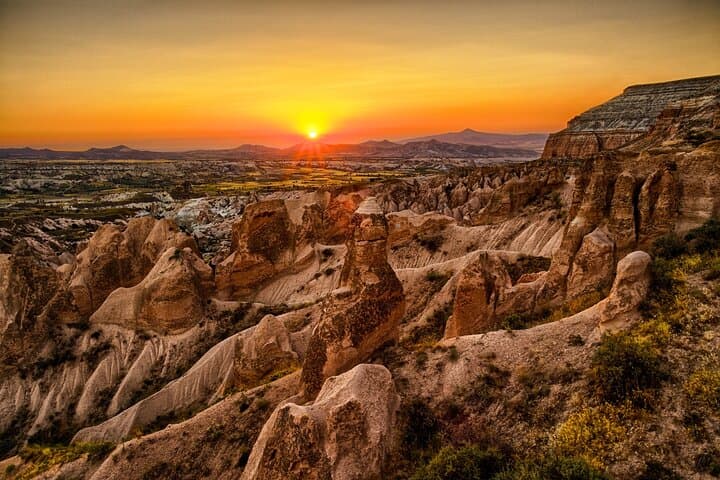
The van eases away from the airport and, within an hour, the horizon shifts: soft, honey-colored ridges give way to rows of chimney-like spires. By dusk, the valley is flushed pink and the cave hotel—carved into volcanic rock—feels less like lodging and more like a lived-in relic. Guests trade a city skyline for an otherworldly field of stone towers that have watched caravans, monks and farmers pass for millennia.
Verified experiences and guided adventures in the surrounding area.
Operated by Tour Altinkum Travel · Göreme, Nevşehir
The van eases away from the airport and, within an hour, the horizon shifts: soft, honey-colored ridges give way to rows of chimney-like spires. By dusk, the valley is flushed pink and the cave hotel—carved into volcanic rock—feels less like lodging and more like a lived-in relic. Guests trade a city skyline for an otherworldly field of stone towers that have watched caravans, monks and farmers pass for millennia.
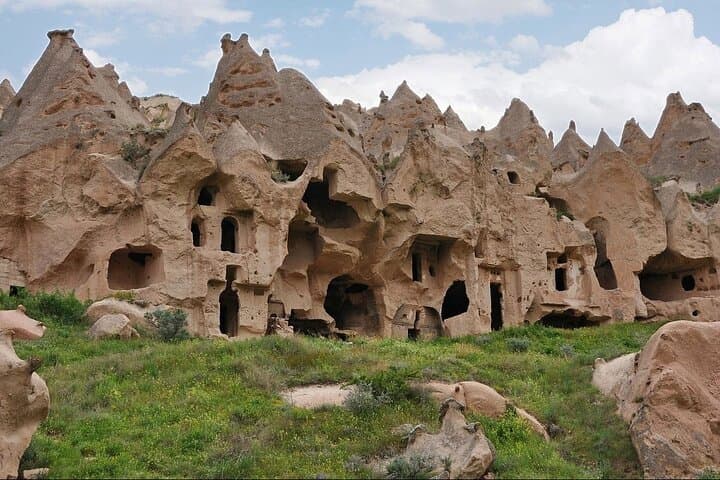
Cappadocia’s landscape is volcanic architecture. Millions of years of ash and tuff deposits from ancient eruptions compacted into soft rock; wind and water then became sculptors, carving the fairy chimneys and hollowing rooms where early Christians sheltered and worshiped. Göreme Open-Air Museum preserves many of those rock-cut churches, their frescoes a rare surviving voice of medieval Anatolia.
The three-day itinerary from Istanbul stitches together the region’s must-see chapters: a morning flight into Kayseri, hands-on pottery in Avanos, wandering the sculpted fields of Devrent and Pasabag, then down into the subterranean cities like Kaymaklı or Derinkuyu—eight levels of human ingenuity, with narrow stairwells and cool, shadowed storage rooms. Rose Valley’s ridgelines soften into long walks along trails that run 3–6 km at a time and offer increasingly intimate panoramas; elevations are modest but footing can be uneven.
There’s a cultural rhythm here: potters shaping clay at riverbanks, local cheeses and stews served in low-lit restaurants, and the possibility of a hot‑air balloon at sunrise, weather permitting—an experience that lifts you above the chimneys for a geometrical view of the terrain.
Practical guidance: pack sturdy trail shoes for gravel and soft tuff; expect several short hikes of 1–3 hours and periods of standing while exploring cave churches. Underground cities require bending and negotiating steps—if you have claustrophobia or mobility constraints, plan accordingly. Domestic flight time to Kayseri is about 1h30 from Istanbul; transfers and most meals are included, but balloon flights and some museum entrance fees may be extra.
Timing matters: sunrise and sunset are the rewards—light that gives the valleys their names. Bring layers for mornings that can be near-freezing even in summer, and a small daypack with water, sunscreen and a headlamp if you plan to explore deeper caverns. Locally guided tours shorten queues and add context: guides point out fresco details, explain dovecotes in Pigeon Valley, and lead you to quieter panoramas away from the photo crowds.
This short, focused loop is equal parts geology and human story—rock that refuses to stay still and people who, for centuries, have coaxed rooms, churches and whole communities from it. It’s immediate, tactile travel: you can touch the walls where history was lived, and choose how high you want to rise above them.
moderate.
3 days.
Comfortable walking fitness; able to handle multiple 2–4 hour walking blocks on uneven terrain and stair descents.
No, balloon flights are optional and typically booked locally; prices and availability vary with season and weather.
Domestic flight time is about 1 hour 30 minutes; transfers to/ from hotels are included in the package.
Most museum entrance fees are excluded; the guide usually carries skip-the-line tickets for major sites, but double-check specifics before travel.
Children under 8 enter free for some sites; families should note underground city passages can be narrow and may be unsuitable for very young kids.
Yes—the itinerary includes cave-hotel accommodation; luggage can be stored while you do day tours and flights back to Istanbul.
The tour covers uneven terrain and subterranean stairs; it’s labeled physically easy in some logistics but those with mobility issues should contact the provider for options.
Cappadocia’s cave habitations and underground cities were used by early Christian communities as refuge and worship spaces from the Roman era through the Byzantine period.
The region is sensitive to erosion and visitor pressure; stick to marked trails, avoid carving or climbing fragile formations, and support local businesses that use sustainable practices.
Tour Altinkum Travel operates guided outdoor trips and adventures with an emphasis on safety, stewardship, and memorable experiences.
The van eases away from the airport and, within an hour, the horizon shifts: soft, honey-colored ridges give way to rows of chimney-like spires. By dusk, the valley is flushed pink and the cave hotel—carved into volcanic rock—feels less like lodging and more like a lived-in relic. Guests trade a city skyline for an otherworldly field of stone towers that have watched caravans, monks and farmers pass for millennia.
The van eases away from the airport and, within an hour, the horizon shifts: soft, honey-colored ridges give way to rows of chimney-like spires. By dusk, the valley is flushed pink and the cave hotel—carved into volcanic rock—feels less like lodging and more like a lived-in relic. Guests trade a city skyline for an otherworldly field of stone towers that have watched caravans, monks and farmers pass for millennia.
Cappadocia’s landscape is volcanic architecture. Millions of years of ash and tuff deposits from ancient eruptions compacted into soft rock; wind and water then became sculptors, carving the fairy chimneys and hollowing rooms where early Christians sheltered and worshiped. Göreme Open-Air Museum preserves many of those rock-cut churches, their frescoes a rare surviving voice of medieval Anatolia.
The three-day itinerary from Istanbul stitches together the region’s must-see chapters: a morning flight into Kayseri, hands-on pottery in Avanos, wandering the sculpted fields of Devrent and Pasabag, then down into the subterranean cities like Kaymaklı or Derinkuyu—eight levels of human ingenuity, with narrow stairwells and cool, shadowed storage rooms. Rose Valley’s ridgelines soften into long walks along trails that run 3–6 km at a time and offer increasingly intimate panoramas; elevations are modest but footing can be uneven.
There’s a cultural rhythm here: potters shaping clay at riverbanks, local cheeses and stews served in low-lit restaurants, and the possibility of a hot‑air balloon at sunrise, weather permitting—an experience that lifts you above the chimneys for a geometrical view of the terrain.
Practical guidance: pack sturdy trail shoes for gravel and soft tuff; expect several short hikes of 1–3 hours and periods of standing while exploring cave churches. Underground cities require bending and negotiating steps—if you have claustrophobia or mobility constraints, plan accordingly. Domestic flight time to Kayseri is about 1h30 from Istanbul; transfers and most meals are included, but balloon flights and some museum entrance fees may be extra.
Timing matters: sunrise and sunset are the rewards—light that gives the valleys their names. Bring layers for mornings that can be near-freezing even in summer, and a small daypack with water, sunscreen and a headlamp if you plan to explore deeper caverns. Locally guided tours shorten queues and add context: guides point out fresco details, explain dovecotes in Pigeon Valley, and lead you to quieter panoramas away from the photo crowds.
This short, focused loop is equal parts geology and human story—rock that refuses to stay still and people who, for centuries, have coaxed rooms, churches and whole communities from it. It’s immediate, tactile travel: you can touch the walls where history was lived, and choose how high you want to rise above them.