THE ADVENTURE COLLECTIVE® · Independent discovery and booking for outdoor travel

Three days in Cappadocia compress millennia: cave hotels carved into volcanic rock, valley walks that blush pink at sunset, and underground cities built to shelter entire communities. This city break pairs cultural immersion—pottery in Avanos, stone churches—with practical exploration of Rose Valley, Pigeon Valley and the Göreme panoramas.
Three days in Cappadocia compress millennia: cave hotels carved into volcanic rock, valley walks that blush pink at sunset, and underground cities built to shelter entire communities. This city break pairs cultural immersion—pottery in Avanos, stone churches—with practical exploration of Rose Valley, Pigeon Valley and the Göreme panoramas.
You arrive as the light softens over a moonscape of stone—thin spires, stacked cones and mushroom-shaped caps that the wind and rain have slowly carved from volcanic tuff. In the doorway of your cave hotel the rock still smells faintly of earth; the rooms were cut by hands centuries ago and now offer modern comfort beneath ancient ribs of stone.
Verified experiences and guided adventures in the surrounding area.
Operated by Tour Altinkum Travel · Göreme, Nevşehir Province
You arrive as the light softens over a moonscape of stone—thin spires, stacked cones and mushroom-shaped caps that the wind and rain have slowly carved from volcanic tuff. In the doorway of your cave hotel the rock still smells faintly of earth; the rooms were cut by hands centuries ago and now offer modern comfort beneath ancient ribs of stone.
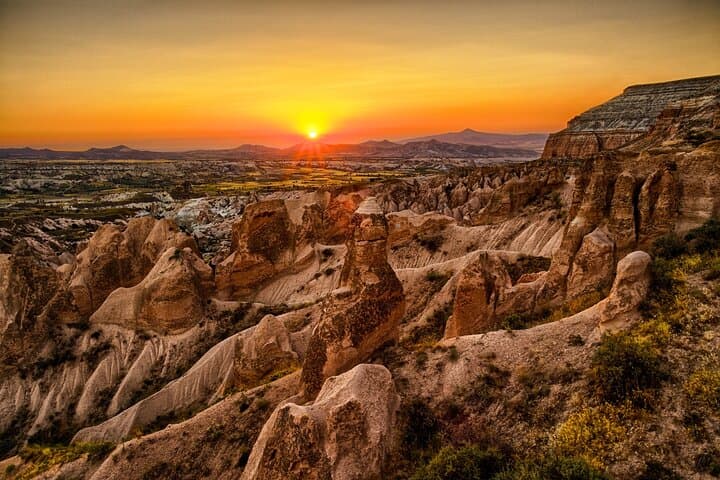
Over three days this compact loop of Cappadocia moves from lofty panoramas to subterranean refuge. Daytwo is for the valleys: Rose and Red Valley offer 4–6 km of trails that rise and fall across sharp ridges with roughly 150–250 m of cumulative elevation gain. The sandstone blushes pink at sunset; the sun seems to press color into the rock as if recalling an old palette. Pigeon Valley curves below Göreme, its carved dovecotes watching the wind—pigeons still patrol the cliff facades like small custodians of the past.
Geology and history are braided here. Millions of years of volcanic ash compacted into a soft tuff that was easy to hollow. Early Christians responded by carving homes, churches and entire underground cities—Derinkuyu and others—down into eight storeys, linked by passageways and storage rooms that could hide thousands at a time. These subterranean complexes, with their ventilation shafts and stone doors, read like pragmatic architecture born of necessity and faith.
Culture in Cappadocia is hands-on. In Avanos you’ll sit at a potter’s wheel and shape clay using techniques passed through local families; in towns such as Ortahisar, stone houses and narrow lanes still follow patterns set centuries ago. Food is time-focused and local: stews slow-cooked in clay pots, breads baked in communal ovens, and breakfast spreads that keep you fueled for valley walks.
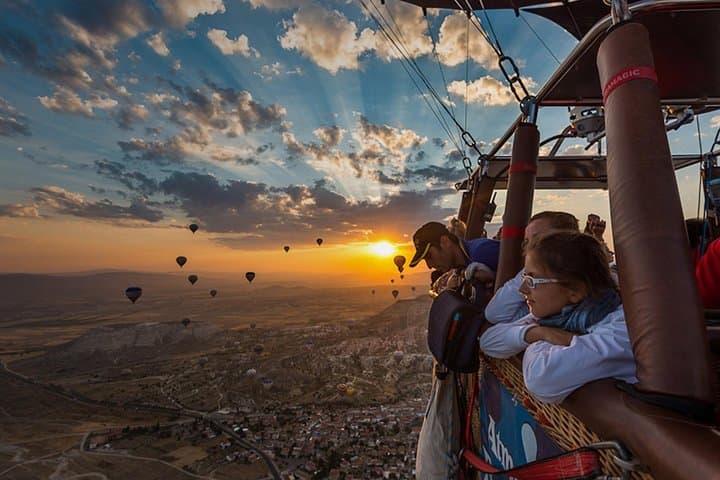
Practical guidance: expect uneven paths and loose scree on valley trails—sturdy hiking shoes with good tread are essential. Walks are short but intermittent ups and downs make them moderate; plan 3–5 hours for a full valley circuit. If you want the hot air balloon, book in advance; flights depend on weather and the Civil Aviation Authority may cancel on short notice. Many tours include airport transfers—confirm pickup details and passport info ahead of arrival.
Timing matters: sunrise and sunset are the moments that give the rock its best face for photography and quiet. Bring layered clothing—the plateau can be brisk at dawn and suddenly hot by midday. Hydrate: drinking water is available but carry a 1–2 L bottle for hikes.
By the last evening, standing beneath the sky and the carved silhouettes of chimneys, Cappadocia feels less like a destination and more like a landscape that has learned to hold people—above ground and below—through all its changes.
moderate.
3 days.
Suitable for travellers who can walk 4–6 km over uneven terrain with short climbs; basic mobility required.
No—the balloon is optional and not included; the operator can reserve a slot for you but payment is usually made locally and flights depend on weather.
Moderate: typical circuits are 4–6 km with 150–250 m cumulative elevation change—uneven surfaces make them more challenging than distance alone suggests.
Underground sites have narrow tunnels and low ceilings; visitors with claustrophobia or mobility issues should consider staying above ground or checking site accessibility in advance.
Most visitors fly into Kayseri or Nevşehir airports; transfer to Göreme is commonly included in tours—confirm pickup times and flight details when booking.
Turkish lira is useful for small purchases and tips; many places accept cards, but have cash for markets, small restaurants and local tips.
Yes—children are welcome; some entry fees are free for young kids but bring passports for verification and confirm any age restrictions for specific activities like balloons.
The soft tuff was hollowed from the 4th century onward; underground cities served as reachable sanctuaries during invasions and were used through the early medieval period.
Tourism pressure is managed through regulated access at fragile sites; stick to marked paths to protect eroding tuff formations and ancient frescoes.
Tour Altinkum Travel operates guided outdoor trips and adventures with an emphasis on safety, stewardship, and memorable experiences.
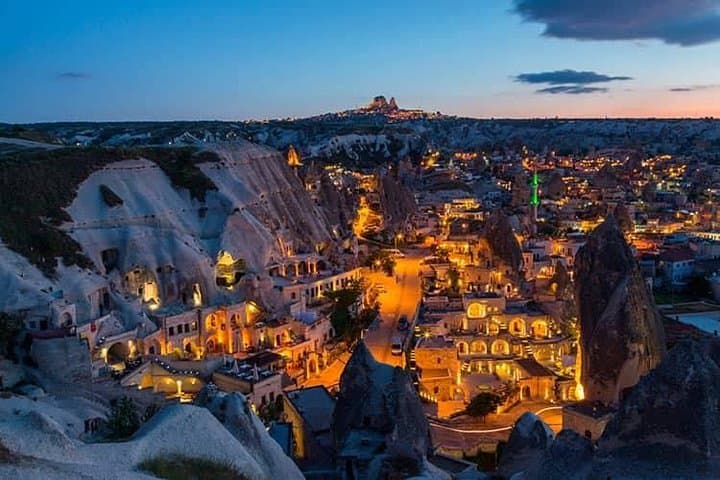
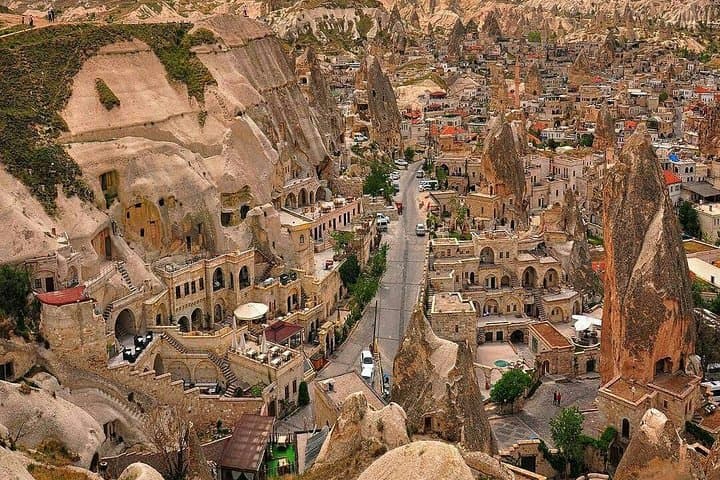
You arrive as the light softens over a moonscape of stone—thin spires, stacked cones and mushroom-shaped caps that the wind and rain have slowly carved from volcanic tuff. In the doorway of your cave hotel the rock still smells faintly of earth; the rooms were cut by hands centuries ago and now offer modern comfort beneath ancient ribs of stone.
You arrive as the light softens over a moonscape of stone—thin spires, stacked cones and mushroom-shaped caps that the wind and rain have slowly carved from volcanic tuff. In the doorway of your cave hotel the rock still smells faintly of earth; the rooms were cut by hands centuries ago and now offer modern comfort beneath ancient ribs of stone.
Over three days this compact loop of Cappadocia moves from lofty panoramas to subterranean refuge. Daytwo is for the valleys: Rose and Red Valley offer 4–6 km of trails that rise and fall across sharp ridges with roughly 150–250 m of cumulative elevation gain. The sandstone blushes pink at sunset; the sun seems to press color into the rock as if recalling an old palette. Pigeon Valley curves below Göreme, its carved dovecotes watching the wind—pigeons still patrol the cliff facades like small custodians of the past.
Geology and history are braided here. Millions of years of volcanic ash compacted into a soft tuff that was easy to hollow. Early Christians responded by carving homes, churches and entire underground cities—Derinkuyu and others—down into eight storeys, linked by passageways and storage rooms that could hide thousands at a time. These subterranean complexes, with their ventilation shafts and stone doors, read like pragmatic architecture born of necessity and faith.
Culture in Cappadocia is hands-on. In Avanos you’ll sit at a potter’s wheel and shape clay using techniques passed through local families; in towns such as Ortahisar, stone houses and narrow lanes still follow patterns set centuries ago. Food is time-focused and local: stews slow-cooked in clay pots, breads baked in communal ovens, and breakfast spreads that keep you fueled for valley walks.
Practical guidance: expect uneven paths and loose scree on valley trails—sturdy hiking shoes with good tread are essential. Walks are short but intermittent ups and downs make them moderate; plan 3–5 hours for a full valley circuit. If you want the hot air balloon, book in advance; flights depend on weather and the Civil Aviation Authority may cancel on short notice. Many tours include airport transfers—confirm pickup details and passport info ahead of arrival.
Timing matters: sunrise and sunset are the moments that give the rock its best face for photography and quiet. Bring layered clothing—the plateau can be brisk at dawn and suddenly hot by midday. Hydrate: drinking water is available but carry a 1–2 L bottle for hikes.
By the last evening, standing beneath the sky and the carved silhouettes of chimneys, Cappadocia feels less like a destination and more like a landscape that has learned to hold people—above ground and below—through all its changes.