THE ADVENTURE COLLECTIVE® · Independent discovery and booking for outdoor travel

A private, three-day loop through Cape Town’s most iconic places—Table Mountain, Cape Point and the penguin colony at Boulders Beach—paired with wine-country tastings and Robben Island’s history. This guided tour organizes transport, entries and local insight so travelers can focus on the views, wildlife and cultural stories.
A private, three-day loop through Cape Town’s most iconic places—Table Mountain, Cape Point and the penguin colony at Boulders Beach—paired with wine-country tastings and Robben Island’s history. This guided tour organizes transport, entries and local insight so travelers can focus on the views, wildlife and cultural stories.
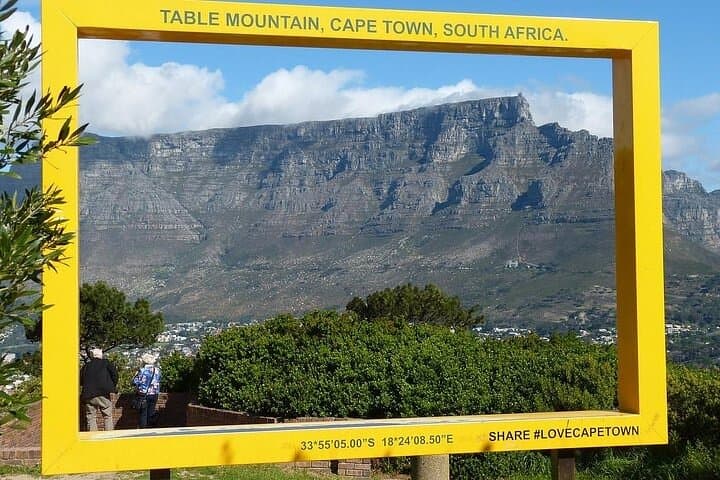
On a wind-scrubbed morning in Cape Town the tour van eases out of the city, the Atlantic on one flank and the flat summit of Table Mountain on the other. Guides move with practiced calm—routing the days so light and logistics align—while passengers rub sleep from their eyes and watch the coastline unspool: Camps Bay’s white sand, the sculpted drop of Chapman's Peak, and the distant glimmer of False Bay.
Verified experiences and guided adventures in the surrounding area.
Operated by Safari Private Tours. · Cape Town, Western Cape
On a wind-scrubbed morning in Cape Town the tour van eases out of the city, the Atlantic on one flank and the flat summit of Table Mountain on the other. Guides move with practiced calm—routing the days so light and logistics align—while passengers rub sleep from their eyes and watch the coastline unspool: Camps Bay’s white sand, the sculpted drop of Chapman's Peak, and the distant glimmer of False Bay.
Across three days this private-guided loop stitches the city’s topography into an encounter with history, geology and contemporary culture. Day one runs the peninsula: Boulders Beach’s tuxedoed penguins command the shore, the Cape of Good Hope forces a blunt reckoning with oceanic currents where the Atlantic and Indian influences meet, and the lighthouse crest at Cape Point reads like a map of the land’s marine geology—granite outcrops weathered into cliffs that still resist the sea.
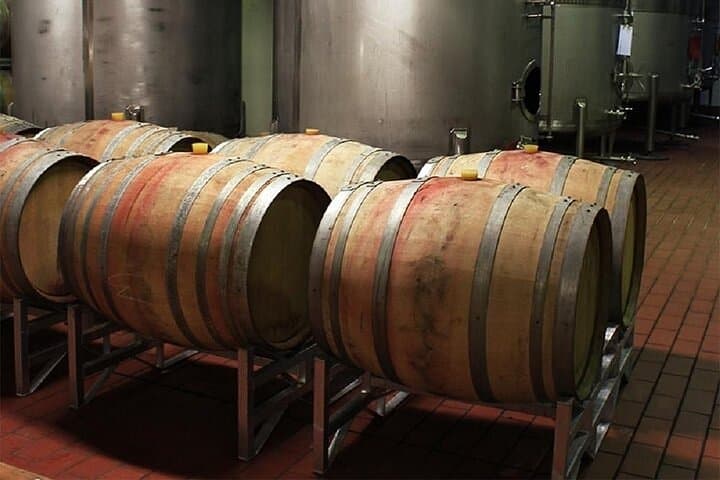
Day two trades surf and cliffs for vineyard terraces. The Winelands—Simonsberg and Stellenbosch slopes—are a study in human geography: 17th‑century Dutch plantings reworked into boutique estates where terroir is as much about shale and clay as it is about the cold southeaster that scours the grapes. Spier and Delaire Graff offer tastings that pair local varietals with the region’s food culture and framed views of oak and olive groves.
The final day compresses Cape Town’s layered past. The Castle of Good Hope and the Bo-Kaap’s painted streets introduce colonial eras and Cape Malay culture; Robben Island’s ferry ride and the prison tour confront the recent political history centered on Nelson Mandela. Table Mountain, accessed by cableway, is both geological crown and urban lookout—an easy ascent with immediate, sweeping reward.
Practically speaking, the tour balances paced walking with coach transfers; most sites are accessible but some short hikes and stair sections at Cape Point require steady shoes and basic mobility. Guides handle permits and skip-the-line logistics where possible, but Robben Island operates on its own timetable—bookings are included here, though weather can delay the ferry.
This itinerary suits travelers who want a curated, dense introduction to Cape Town without micromanaging transit and bookings. Expect a rhythm of morning departures, mid-day wine and wildlife, and early-evening returns to your hotel. For photographers, bring a mid-range zoom and a wide-angle for Table Mountain and Chapman's lookout. Hydrate for windy headlands, layer for rapid temperature shifts, and leave time to linger in neighborhoods—Bo-Kaap and Kalk Bay reveal the city’s quieter textures.
In short: the tour packs three distinct Cape Town experiences into an efficient, interpretive loop—coastal geology, winemaking terroir, and the island and city history that shape modern South Africa.
moderate.
3 days.
Suitable for most travelers with basic mobility; short hikes and stairs require moderate fitness and steady footing.
Yes—pickup from central Cape Town hotels and select locations is provided; you'll enter the pickup point when booking.
Yes—admissions listed in the itinerary (Robben Island, Cape Point, Boulders Beach and select wineries) are included as described; some optional extras like the funicular at Cape Point are at your expense.
The tour is family-friendly and described as physically easy overall, but some sites involve stairs and short walks; it’s not recommended for travelers with serious heart conditions.
Guides will adjust the itinerary if cableway operations are suspended due to weather; alternative viewpoints or additional city history stops are typically offered.
Walking ranges from short boardwalks and beach promenades to moderate stair climbs at Cape Point and short vineyard strolls—daily walking is intermittent rather than continuous.
Guides conduct the tour in English. Private arrangements for other languages may be possible on request—check with the operator when booking.
Robben Island’s prison history and the Castle of Good Hope reflect Cape Town’s colonial and apartheid-era chapters; the Winelands trace horticultural use back to the 1600s.
Cape Point and Table Mountain protect fynbos, a biodiversity hotspot—stick to paths and follow park guidelines; Boulders Beach penguins are a conservation focus, so keep distance and avoid feeding wildlife.
Safari Private Tours. operates guided outdoor trips and adventures with an emphasis on safety, stewardship, and memorable experiences.


On a wind-scrubbed morning in Cape Town the tour van eases out of the city, the Atlantic on one flank and the flat summit of Table Mountain on the other. Guides move with practiced calm—routing the days so light and logistics align—while passengers rub sleep from their eyes and watch the coastline unspool: Camps Bay’s white sand, the sculpted drop of Chapman's Peak, and the distant glimmer of False Bay.
On a wind-scrubbed morning in Cape Town the tour van eases out of the city, the Atlantic on one flank and the flat summit of Table Mountain on the other. Guides move with practiced calm—routing the days so light and logistics align—while passengers rub sleep from their eyes and watch the coastline unspool: Camps Bay’s white sand, the sculpted drop of Chapman's Peak, and the distant glimmer of False Bay.
Across three days this private-guided loop stitches the city’s topography into an encounter with history, geology and contemporary culture. Day one runs the peninsula: Boulders Beach’s tuxedoed penguins command the shore, the Cape of Good Hope forces a blunt reckoning with oceanic currents where the Atlantic and Indian influences meet, and the lighthouse crest at Cape Point reads like a map of the land’s marine geology—granite outcrops weathered into cliffs that still resist the sea.
Day two trades surf and cliffs for vineyard terraces. The Winelands—Simonsberg and Stellenbosch slopes—are a study in human geography: 17th‑century Dutch plantings reworked into boutique estates where terroir is as much about shale and clay as it is about the cold southeaster that scours the grapes. Spier and Delaire Graff offer tastings that pair local varietals with the region’s food culture and framed views of oak and olive groves.
The final day compresses Cape Town’s layered past. The Castle of Good Hope and the Bo-Kaap’s painted streets introduce colonial eras and Cape Malay culture; Robben Island’s ferry ride and the prison tour confront the recent political history centered on Nelson Mandela. Table Mountain, accessed by cableway, is both geological crown and urban lookout—an easy ascent with immediate, sweeping reward.
Practically speaking, the tour balances paced walking with coach transfers; most sites are accessible but some short hikes and stair sections at Cape Point require steady shoes and basic mobility. Guides handle permits and skip-the-line logistics where possible, but Robben Island operates on its own timetable—bookings are included here, though weather can delay the ferry.
This itinerary suits travelers who want a curated, dense introduction to Cape Town without micromanaging transit and bookings. Expect a rhythm of morning departures, mid-day wine and wildlife, and early-evening returns to your hotel. For photographers, bring a mid-range zoom and a wide-angle for Table Mountain and Chapman's lookout. Hydrate for windy headlands, layer for rapid temperature shifts, and leave time to linger in neighborhoods—Bo-Kaap and Kalk Bay reveal the city’s quieter textures.
In short: the tour packs three distinct Cape Town experiences into an efficient, interpretive loop—coastal geology, winemaking terroir, and the island and city history that shape modern South Africa.