THE ADVENTURE COLLECTIVE® · Independent discovery and booking for outdoor travel

Ride camels across the stony Jbilets Desert near Marrakech on a two-hour guided loop. Expect late-afternoon light, gentle pace, and cultural context from local guides.
Ride camels across the stony Jbilets Desert near Marrakech on a two-hour guided loop. Expect late-afternoon light, gentle pace, and cultural context from local guides.
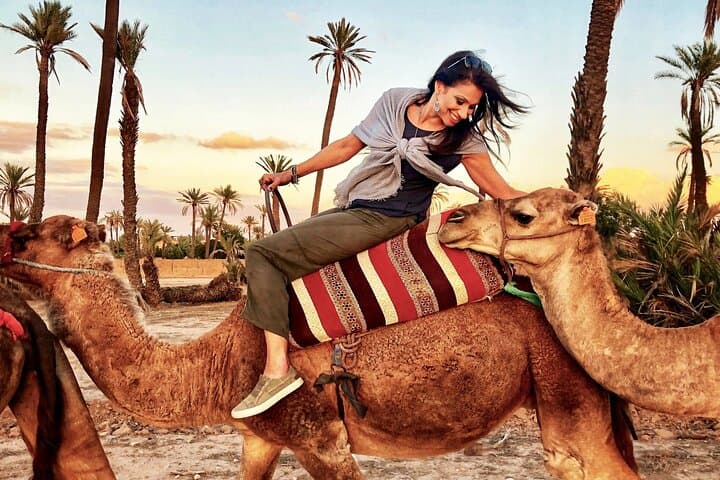
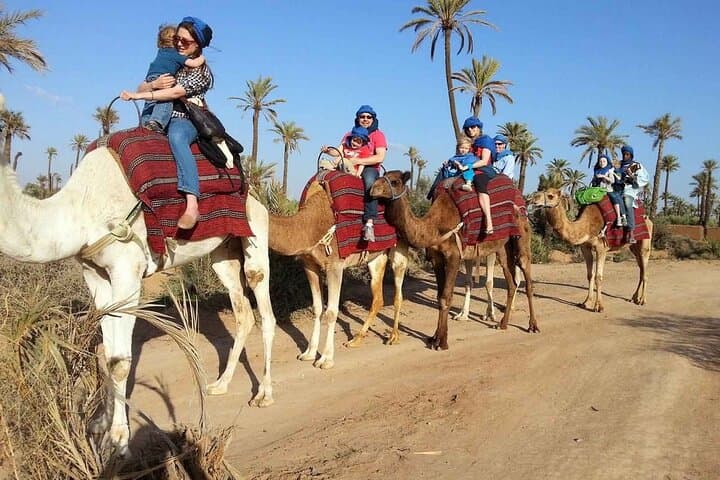
A low-slung sun slides across a wide stone plain as a column of camels pads into view — slow, deliberate, and oddly graceful. Riders adjust in the saddle as the animals rise and fall, the desert around Marrakech opening into a horizon of pale rock and scattered palm groves. The Jbilets (stone) desert is not soft sand but a sculpted, lunar surface that paints shadows long and photographic.
Verified experiences and guided adventures in the surrounding area.
Operated by Desertbrise Travel · Marrakech, Marrakesh-Safi
A low-slung sun slides across a wide stone plain as a column of camels pads into view — slow, deliberate, and oddly graceful. Riders adjust in the saddle as the animals rise and fall, the desert around Marrakech opening into a horizon of pale rock and scattered palm groves. The Jbilets (stone) desert is not soft sand but a sculpted, lunar surface that paints shadows long and photographic.
This short excursion threads modern comfort and old routes. The camel caravan echoes centuries of trade travel across Morocco; historically, pack animals navigated arid plains between oases and kasbahs. Geologically the area is a stony hamada rather than sand sea: compacted gravel, weathered bedrock, and occasional gullies carved by rare rains. Local Berber communities maintain cultural touches — palm groves, small farms, and the storytelling cadence used by guides.
Practical guidance: the tour runs two hours including transport in an air-conditioned vehicle from Marrakech and a guided camel loop. Pace is gentle and suitable for most fitness levels, but it’s not recommended for pregnant travelers or anyone with spinal or serious heart conditions. Aim for late afternoon: the so-called “attractive lighting” here is real — low sun brings depth to rock and rich color to portraits.
Wear closed-toe shoes, bring layered sun protection, and carry water. Mounting and dismounting is assisted, but knees and hips should be treated carefully. Respect local customs: modest dress and asking before photographing people goes a long way. The ride offers accessible adventure — tactile, calm, and quiet enough to let the desert speak.
easy.
2 hours.
Suitable for travelers in average physical condition; requires ability to mount/dismount with assistance
The total activity is about two hours, including transport; the camel loop typically lasts 30–60 minutes with guide assistance and vehicle transfer from Marrakech.
No — the ride is suitable for beginners; handlers assist with mounting and provide safety briefings.
Children can join but operators set minimum age and weight limits for safety; check at booking for specifics.
Comfortable, modest clothing that covers shoulders and knees is recommended; closed-toe shoes, sun protection, and a light layer for cooler evenings.
Camels were historic transport across Morocco’s plains; short rides mirror caravan routes that connected oases and market towns.
Tours operate on fragile terrain — stick to designated paths, avoid littering, and follow guides to minimize erosion and disturbance.
Desertbrise Travel operates guided outdoor trips and adventures with an emphasis on safety, stewardship, and memorable experiences.
A low-slung sun slides across a wide stone plain as a column of camels pads into view — slow, deliberate, and oddly graceful. Riders adjust in the saddle as the animals rise and fall, the desert around Marrakech opening into a horizon of pale rock and scattered palm groves. The Jbilets (stone) desert is not soft sand but a sculpted, lunar surface that paints shadows long and photographic.
A low-slung sun slides across a wide stone plain as a column of camels pads into view — slow, deliberate, and oddly graceful. Riders adjust in the saddle as the animals rise and fall, the desert around Marrakech opening into a horizon of pale rock and scattered palm groves. The Jbilets (stone) desert is not soft sand but a sculpted, lunar surface that paints shadows long and photographic.
This short excursion threads modern comfort and old routes. The camel caravan echoes centuries of trade travel across Morocco; historically, pack animals navigated arid plains between oases and kasbahs. Geologically the area is a stony hamada rather than sand sea: compacted gravel, weathered bedrock, and occasional gullies carved by rare rains. Local Berber communities maintain cultural touches — palm groves, small farms, and the storytelling cadence used by guides.
Practical guidance: the tour runs two hours including transport in an air-conditioned vehicle from Marrakech and a guided camel loop. Pace is gentle and suitable for most fitness levels, but it’s not recommended for pregnant travelers or anyone with spinal or serious heart conditions. Aim for late afternoon: the so-called “attractive lighting” here is real — low sun brings depth to rock and rich color to portraits.
Wear closed-toe shoes, bring layered sun protection, and carry water. Mounting and dismounting is assisted, but knees and hips should be treated carefully. Respect local customs: modest dress and asking before photographing people goes a long way. The ride offers accessible adventure — tactile, calm, and quiet enough to let the desert speak.