THE ADVENTURE COLLECTIVE® · Independent discovery and booking for outdoor travel

A compact two-day private tour from Colombo that pairs Sigiriya's dramatic rock fortress with the sacred slope of Mihintale and the ancient monuments of Anuradhapura. Early starts, steady climbs, and quiet temple visits make this an efficient introduction to Sri Lanka's cultural heart.
A compact two-day private tour from Colombo that pairs Sigiriya's dramatic rock fortress with the sacred slope of Mihintale and the ancient monuments of Anuradhapura. Early starts, steady climbs, and quiet temple visits make this an efficient introduction to Sri Lanka's cultural heart.
The day begins before Colombo loosens its hold — a private vehicle eases out of the city and the flat, humid plain gives way to low hills and sudden outcrops. By midmorning the road winds under a canopy of teak and tamarind and then the land opens onto a solitary, almost theatrical column of rock: Sigiriya. Up close, the rock dares you to climb. Its sheer flanks rise nearly 200 meters, ringed with terraces, the ghost of water gardens, and fresco caves where color still clings to plaster.
Verified experiences and guided adventures in the surrounding area.
Operated by OTN WORLD PVT LTD · Sigiriya, Central Province
The day begins before Colombo loosens its hold — a private vehicle eases out of the city and the flat, humid plain gives way to low hills and sudden outcrops. By midmorning the road winds under a canopy of teak and tamarind and then the land opens onto a solitary, almost theatrical column of rock: Sigiriya. Up close, the rock dares you to climb. Its sheer flanks rise nearly 200 meters, ringed with terraces, the ghost of water gardens, and fresco caves where color still clings to plaster.
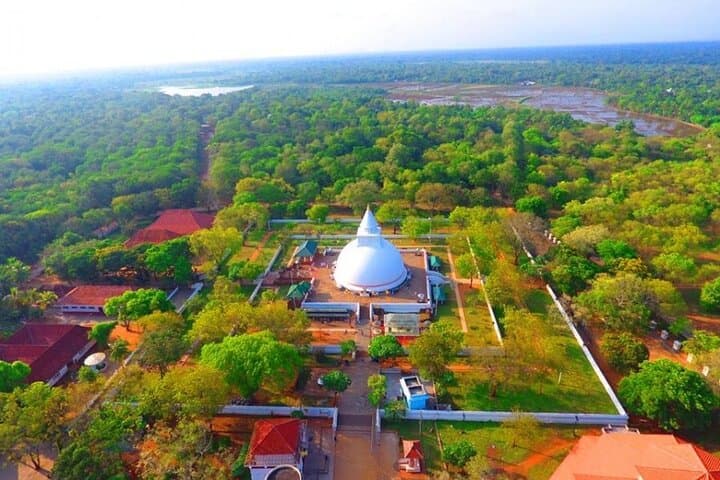
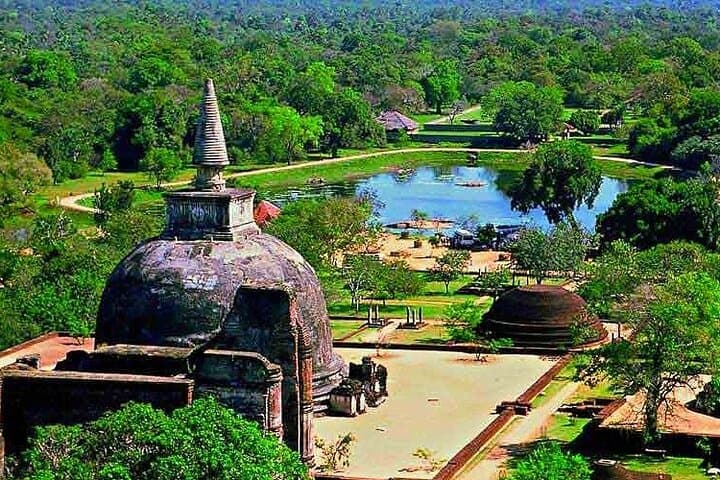
This two-day route pairs Sigiriya’s fortified summit with the quieter, spiritual geometry of Mihintale and Anuradhapura. Sigiriya was remodelled in the 5th century CE by King Kasyapa as a royal citadel; the site’s engineered hydraulics and lion gate reveal a sophisticated blend of defense, ceremony, and display. A short drive north, Mihintale is where tradition says the monk Mahinda met King Devanampiyatissa, setting Sri Lanka on a Buddhist path. The stupa-dotted plains of Anuradhapura testify to centuries of monastic life and irrigation engineering that transformed this dry zone into productive farmland.
Geologically the region sits on ancient Precambrian rock; the dramatic outcrops are the weathered remains of long-lived uplifts, stark against rice paddies that reflect the sky. Culture arrives in frescoes and carved baths, but also in everyday rhythms: farmers pruning paddy embankments, temple flocks of peafowl stepping through shade, vendors slicing king coconuts at roadside stalls.
Practically, the itinerary is compact: day one climbs Sigiriya and visits Dambulla on the return; overnight is in a 3-star hotel. Day two follows a route through Mihintale and Anuradhapura, including Isurumuniya and Ruwanwelisaya. Expect a mix of paved and bumpy roads, stair climbs at sites, and stretches of flat walking.
Wear sturdy shoes with good grip for the sandstone steps and carved ledges at Sigiriya. Temperatures climb by midmorning; start early to avoid heat and crowds and bring a refillable water bottle, sun protection, and light long sleeves for temple etiquette. The tour includes hotel pickup in Colombo, one night accommodation, two meals, and an English-speaking driver; entrance fees to major sites are noted as included for Sigiriya and Mihintale.
For photographers, dawn light on Pidurangala or the terraces at Mihintale rewards early risers. For travelers who want context, ask guides about the ancient irrigation tanks and the conservation work protecting frescoes and plaster. Move deliberately through these places: the rock will test your balance, the temples will ask for quiet, and the landscape will insist you notice how water shapes stone and society.
moderate.
2 days.
Moderate fitness; able to climb several hundred steps and walk on uneven surfaces for 1–4 hours at a stretch
Entrance to Sigiriya is included according to the itinerary; verify whether this covers standard admission or any expedited access.
The climb involves several hundred carved steps and some narrow ledges; it's moderate in difficulty and takes 45–90 minutes depending on fitness and stops.
The tour provides breakfast and dinner; inform the operator of dietary needs at booking so they can coordinate with hotels and drivers.
Some sites request voluntary donations; major admission fees for Sigiriya and Mihintale are listed as included, but small local donations are optional.
November to April is generally drier and cooler in the cultural triangle; shoulder seasons have fewer crowds but possible inter-monsoon showers.
Children who can handle stairs will manage Sigiriya; the tour is not recommended for travelers with serious spinal or mobility limitations due to steps and uneven terrain.
Sigiriya was transformed into a palace-fortress by King Kasyapa in the 5th century CE; Mihintale marks the traditional introduction of Buddhism to Sri Lanka after Mahinda's visit to King Devanampiyatissa.
Visitor pressure threatens frescoes and ancient plaster; stick to marked paths, avoid touching artwork, and support local guides and community-run conservation efforts.
OTN WORLD PVT LTD operates guided outdoor trips and adventures with an emphasis on safety, stewardship, and memorable experiences.
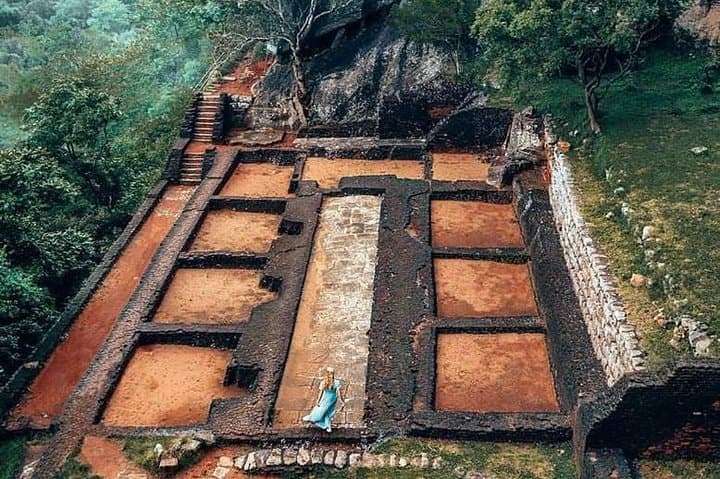
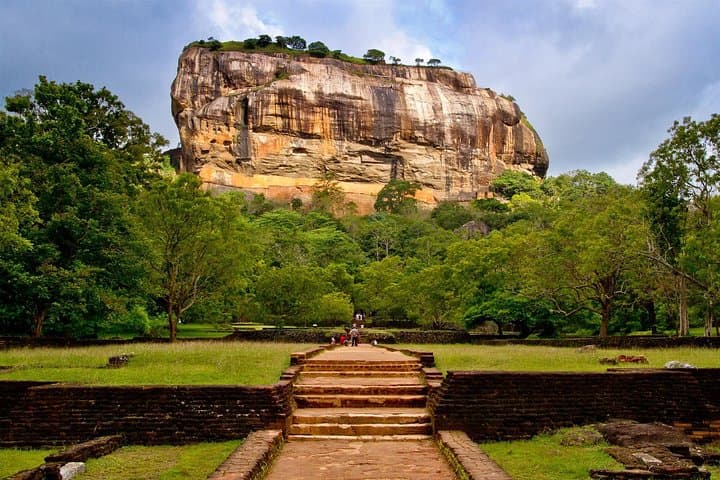
The day begins before Colombo loosens its hold — a private vehicle eases out of the city and the flat, humid plain gives way to low hills and sudden outcrops. By midmorning the road winds under a canopy of teak and tamarind and then the land opens onto a solitary, almost theatrical column of rock: Sigiriya. Up close, the rock dares you to climb. Its sheer flanks rise nearly 200 meters, ringed with terraces, the ghost of water gardens, and fresco caves where color still clings to plaster.
The day begins before Colombo loosens its hold — a private vehicle eases out of the city and the flat, humid plain gives way to low hills and sudden outcrops. By midmorning the road winds under a canopy of teak and tamarind and then the land opens onto a solitary, almost theatrical column of rock: Sigiriya. Up close, the rock dares you to climb. Its sheer flanks rise nearly 200 meters, ringed with terraces, the ghost of water gardens, and fresco caves where color still clings to plaster.
This two-day route pairs Sigiriya’s fortified summit with the quieter, spiritual geometry of Mihintale and Anuradhapura. Sigiriya was remodelled in the 5th century CE by King Kasyapa as a royal citadel; the site’s engineered hydraulics and lion gate reveal a sophisticated blend of defense, ceremony, and display. A short drive north, Mihintale is where tradition says the monk Mahinda met King Devanampiyatissa, setting Sri Lanka on a Buddhist path. The stupa-dotted plains of Anuradhapura testify to centuries of monastic life and irrigation engineering that transformed this dry zone into productive farmland.
Geologically the region sits on ancient Precambrian rock; the dramatic outcrops are the weathered remains of long-lived uplifts, stark against rice paddies that reflect the sky. Culture arrives in frescoes and carved baths, but also in everyday rhythms: farmers pruning paddy embankments, temple flocks of peafowl stepping through shade, vendors slicing king coconuts at roadside stalls.
Practically, the itinerary is compact: day one climbs Sigiriya and visits Dambulla on the return; overnight is in a 3-star hotel. Day two follows a route through Mihintale and Anuradhapura, including Isurumuniya and Ruwanwelisaya. Expect a mix of paved and bumpy roads, stair climbs at sites, and stretches of flat walking.
Wear sturdy shoes with good grip for the sandstone steps and carved ledges at Sigiriya. Temperatures climb by midmorning; start early to avoid heat and crowds and bring a refillable water bottle, sun protection, and light long sleeves for temple etiquette. The tour includes hotel pickup in Colombo, one night accommodation, two meals, and an English-speaking driver; entrance fees to major sites are noted as included for Sigiriya and Mihintale.
For photographers, dawn light on Pidurangala or the terraces at Mihintale rewards early risers. For travelers who want context, ask guides about the ancient irrigation tanks and the conservation work protecting frescoes and plaster. Move deliberately through these places: the rock will test your balance, the temples will ask for quiet, and the landscape will insist you notice how water shapes stone and society.