THE ADVENTURE COLLECTIVE® · Independent discovery and booking for outdoor travel

Two days of Rift Valley contrast: a volcanic rim hike on Mount Longonot followed by cycling and a gorge walk at Hells Gate, with boat time on Lake Naivasha. Expect dramatic viewpoints, close plains wildlife, and practical logistics handled by local guides.
Two days of Rift Valley contrast: a volcanic rim hike on Mount Longonot followed by cycling and a gorge walk at Hells Gate, with boat time on Lake Naivasha. Expect dramatic viewpoints, close plains wildlife, and practical logistics handled by local guides.
You step out of the vehicle and the Rift Valley opens like a page of geological history: a bowl of scrub, a flat blue lake, and the squat bulk of Mount Longonot rising with a black rim that once held fire. The air is dry and honest; the uphill path immediately grades steep and stony, a mix of ash and volcanic gravel that requires attention with every step. From the crater rim the land drops away in a ring—Lake Naivasha gleaming to the west, greenhouse roofs shining like small ships.
Verified experiences and guided adventures in the surrounding area.
Operated by PONGEZI AFRICA SAFARIS · Naivasha, Nakuru County
You step out of the vehicle and the Rift Valley opens like a page of geological history: a bowl of scrub, a flat blue lake, and the squat bulk of Mount Longonot rising with a black rim that once held fire. The air is dry and honest; the uphill path immediately grades steep and stony, a mix of ash and volcanic gravel that requires attention with every step. From the crater rim the land drops away in a ring—Lake Naivasha gleaming to the west, greenhouse roofs shining like small ships.
Mount Longonot is an old stratovolcano whose summit sits at roughly 2,776 meters. The crater rim hike is a concentrated dose of East African highland terrain: 6–8 kilometers of trail with roughly 600 meters of elevation gain depending on your route, exposed in places and cool under clouds in others. The walk takes about three hours at a steady pace and rewards hikers with serrated views of the rift system and the agricultural plains below, where maize and wheat fields march to the horizon. The ridge also bears stories—wartime roadworks from the 1940s and small roadside chapels born of local community life—reminders that this landscape has been lived in and worked on for generations.
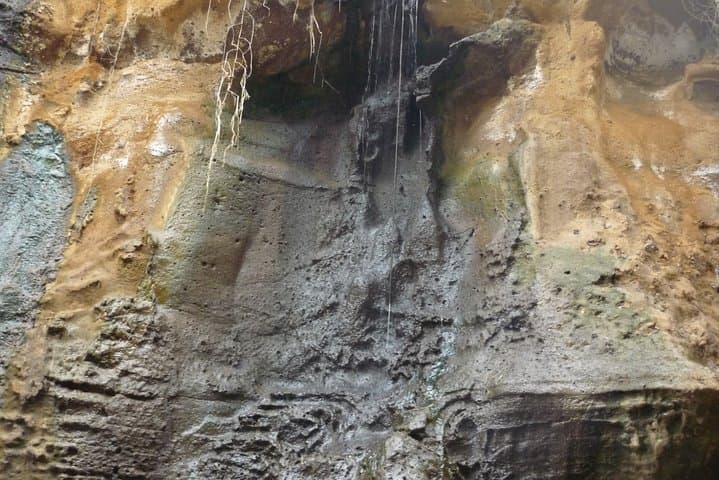
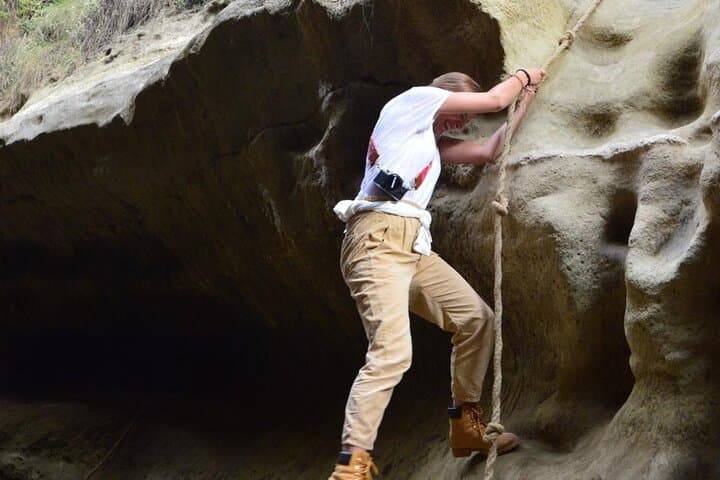
Day two flips from foot to wheel. Hells Gate National Park invites you to cycle across a landscape that seems to dare you to move faster: red-gold cliffs, steam vents and a gorge carved by water and tectonics. Wildlife here is bold in its simplicity—zebra and hartebeest browse within sight, giraffes tilt their long necks above acacia, and buffalo move like slow weather fronts. The park contains Fisher’s Tower, a 30-meter volcanic plug that climbers and hikers use as a focal point for a short scramble and a longer story about geothermal power—Olkaria’s steam plants hum in the distance as the earth gives up heat.
Practicalities are straightforward. The package includes two lunches, two dinners and breakfasts, a boat trip on Lake Naivasha with hippo sightings, Crescent Island walking, and park fees. Expect early starts, dusty roads and strong equatorial sun; carry at least 2–3 liters of water for the Longonot hike, sturdy trail shoes, and a helmet for the Hells Gate cycling. Moderate fitness is required: regular walkers will manage the ascent, cyclists should be comfortable on unpaved tracks.
Timing matters—sunrise and late afternoon deliver the best light and cooler temps. Guides from local operators handle logistics and wildlife etiquette, so you can focus on the rhythm of the trail and the sudden clarity of Rift Valley views—where geology, culture and wildlife meet in compact, unmistakable form.
moderate.
2 days (approx. 48 hours).
Suitable for hikers with regular cardio and leg strength; cyclists should be comfortable on variable dirt tracks.
The crater rim circuit and approach typically range 6–8 km with about 600 meters of ascent, taking roughly three hours at a steady pace.
Crescent Island is home to herbivores like zebra, giraffe and wildebeest; large predators are not present, which makes close wildlife viewing possible on foot.
Standard tour packages usually provide mountain bikes and helmets; confirm bike sizing and condition with the operator before departure.
The highest point near Longonot is around 2,776 m—most people acclimate fine, but take it steady, hydrate, and avoid sudden exertion if you feel unwell.
This itinerary lists lunches, dinners and breakfasts as included, as well as admission to the parks—verify specifics at booking time.
Yes; pick-up options from Nairobi are common. Expect early transfers and roughly 1–2 hour drives depending on traffic to the Naivasha area.
The roadworks and viewpoints along routes were constructed during the 1940s with labor linked to wartime activity; the Rift Valley itself records tectonic shifts millions of years old.
Hells Gate and Longonot manage tourism to limit habitat disturbance; stick to trails, avoid feeding wildlife and support local lodges that invest in conservation.
PONGEZI AFRICA SAFARIS operates guided outdoor trips and adventures with an emphasis on safety, stewardship, and memorable experiences.
You step out of the vehicle and the Rift Valley opens like a page of geological history: a bowl of scrub, a flat blue lake, and the squat bulk of Mount Longonot rising with a black rim that once held fire. The air is dry and honest; the uphill path immediately grades steep and stony, a mix of ash and volcanic gravel that requires attention with every step. From the crater rim the land drops away in a ring—Lake Naivasha gleaming to the west, greenhouse roofs shining like small ships.
You step out of the vehicle and the Rift Valley opens like a page of geological history: a bowl of scrub, a flat blue lake, and the squat bulk of Mount Longonot rising with a black rim that once held fire. The air is dry and honest; the uphill path immediately grades steep and stony, a mix of ash and volcanic gravel that requires attention with every step. From the crater rim the land drops away in a ring—Lake Naivasha gleaming to the west, greenhouse roofs shining like small ships.
Mount Longonot is an old stratovolcano whose summit sits at roughly 2,776 meters. The crater rim hike is a concentrated dose of East African highland terrain: 6–8 kilometers of trail with roughly 600 meters of elevation gain depending on your route, exposed in places and cool under clouds in others. The walk takes about three hours at a steady pace and rewards hikers with serrated views of the rift system and the agricultural plains below, where maize and wheat fields march to the horizon. The ridge also bears stories—wartime roadworks from the 1940s and small roadside chapels born of local community life—reminders that this landscape has been lived in and worked on for generations.
Day two flips from foot to wheel. Hells Gate National Park invites you to cycle across a landscape that seems to dare you to move faster: red-gold cliffs, steam vents and a gorge carved by water and tectonics. Wildlife here is bold in its simplicity—zebra and hartebeest browse within sight, giraffes tilt their long necks above acacia, and buffalo move like slow weather fronts. The park contains Fisher’s Tower, a 30-meter volcanic plug that climbers and hikers use as a focal point for a short scramble and a longer story about geothermal power—Olkaria’s steam plants hum in the distance as the earth gives up heat.
Practicalities are straightforward. The package includes two lunches, two dinners and breakfasts, a boat trip on Lake Naivasha with hippo sightings, Crescent Island walking, and park fees. Expect early starts, dusty roads and strong equatorial sun; carry at least 2–3 liters of water for the Longonot hike, sturdy trail shoes, and a helmet for the Hells Gate cycling. Moderate fitness is required: regular walkers will manage the ascent, cyclists should be comfortable on unpaved tracks.
Timing matters—sunrise and late afternoon deliver the best light and cooler temps. Guides from local operators handle logistics and wildlife etiquette, so you can focus on the rhythm of the trail and the sudden clarity of Rift Valley views—where geology, culture and wildlife meet in compact, unmistakable form.