THE ADVENTURE COLLECTIVE® · Independent discovery and booking for outdoor travel

Swap Nairobi traffic for wind across the Rift Valley on this private two-day safari: pedal past basalt cliffs at Hell’s Gate, glide past hippos on Lake Naivasha, then track rhinos and flamingos in Lake Nakuru National Park. Compact, active, and rich in wildlife and geology, it’s an ideal introduction to Kenya’s Rift landscapes.
Swap Nairobi traffic for wind across the Rift Valley on this private two-day safari: pedal past basalt cliffs at Hell’s Gate, glide past hippos on Lake Naivasha, then track rhinos and flamingos in Lake Nakuru National Park. Compact, active, and rich in wildlife and geology, it’s an ideal introduction to Kenya’s Rift landscapes.
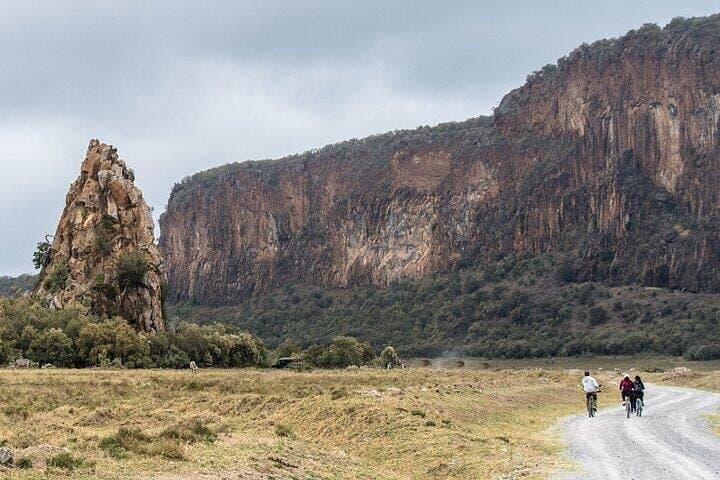
The minivan hums out of Nairobi before dawn, headlights cutting a ribbon across the Rift Valley escarpment as the city falls away. By mid-morning the air is cooler, dust giving way to red earth and the first silhouettes of acacia and volcanic cliffs. At Hell’s Gate Park the group swaps seats for bicycles, the park opening like a slow-motion film: koppies and towering basalt cliffs watch as riders pedal along trails where zebras and gazelles graze within arm’s reach. Wind finds the open spaces and presses against helmets, daring travelers to look up and match the speed of a circling vulture.
Verified experiences and guided adventures in the surrounding area.
Operated by Excellent GameSpotting Adventures · Naivasha, Rift Valley
The minivan hums out of Nairobi before dawn, headlights cutting a ribbon across the Rift Valley escarpment as the city falls away. By mid-morning the air is cooler, dust giving way to red earth and the first silhouettes of acacia and volcanic cliffs. At Hell’s Gate Park the group swaps seats for bicycles, the park opening like a slow-motion film: koppies and towering basalt cliffs watch as riders pedal along trails where zebras and gazelles graze within arm’s reach. Wind finds the open spaces and presses against helmets, daring travelers to look up and match the speed of a circling vulture.
Hell’s Gate is unusual among Kenyan parks — the land itself is the draw. Formed by Rift Valley tectonics and later scoured by rivers, the park’s escarpments and gorges are both playground and classroom. Guides point out geothermal vents and the same cliffs that inspired the hobbits-and-orcs landscapes of many a film location scout. After a riverside picnic and a brisk boat ride on Lake Naivasha — where hippos yawn in shallow water and a cacophony of migratory birds annotate the shoreline — the convoy heads west toward Lake Nakuru.
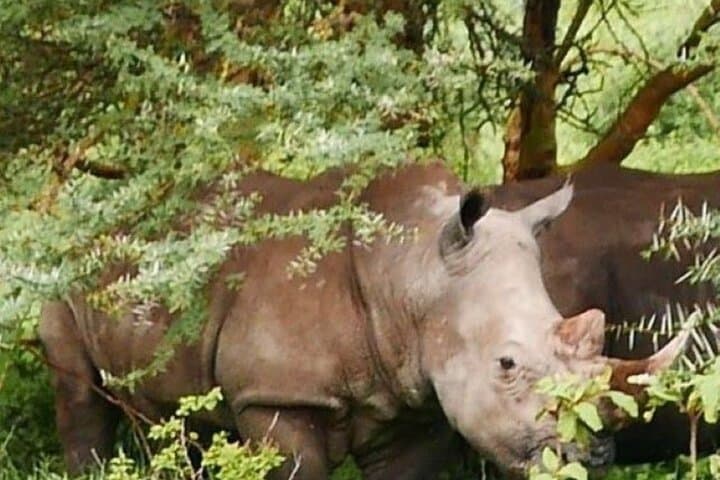
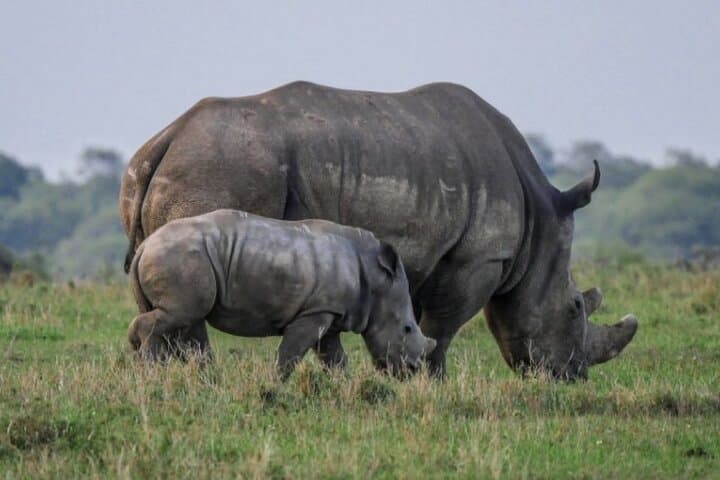
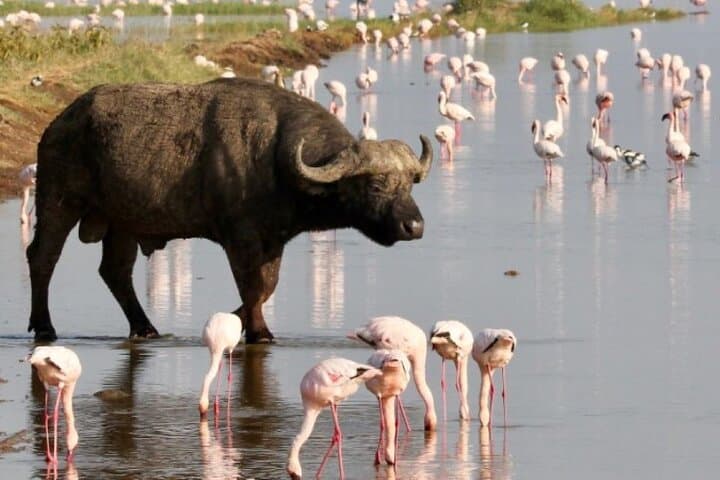
Lake Nakuru National Park is compact but intense: a soda lake rimmed by woodland and cliffs, historically famous for mass flamingo gatherings when water chemistry and food support them. The park’s conservation story is sharper here — rhino sanctuary initiatives have made this one of the better places in Kenya to see both black and white rhinos. The morning game drive unfolds like a slow revelation — spotted hyenas cruising edges, impala frozen at water’s edge, and the low, wary profiles of rhinos moving through scrub. Everything in the park feels simultaneously patient and poised, as if nature is holding its breath for the next animal encounter.
Practical context: this is a private, two-day tour with hotel pickup options in Nairobi, basic overnight lodging near Nakuru, park fees and boat ride included, and guided biking at Hell’s Gate. Fitness expectations are moderate — cycling on gravel and short hikes, plus long stretches in a safari vehicle. Safety is straightforward: follow your guide around hippos and rhinos, maintain distance, and keep noise low during game drives.
For photographers, early light along the soda lake and the volcanic cliffs at Hell’s Gate offer the richest palettes. Bring layered clothing — mornings are cool, afternoons warm — and plan for dust on unsealed roads. If you want a closer look at conservation efforts, ask your guide about the rhino tracking and the community programs around Naivasha; those conversations often outlast the sightings.
This two-day loop compresses a lot of Kenya’s Rift Valley geology, birdlife, and active conservation into a compact, manageable adventure — equal parts motion and observation, best undertaken with a camera, a good pair of binoculars, and a readiness to let the landscape set the pace.
moderate.
2 days (approx. 48 hours).
Moderate fitness for bicycle rides on gravel and several hours of walking or standing on game drives; comfortable mobility required.
Yes — park fees, the Lake Naivasha boat ride, guided biking at Hell’s Gate, and bottled water in the vehicle are included; check inclusion list for meals and accommodation details.
No — the biking at Hell’s Gate is suitable for most fitness levels; guides set a comfortable pace and provide basic helmets and bikes.
Guides maintain safe distances; in Hell’s Gate animals are habituated to people on trails, but in Nakuru all wildlife viewing follows park regulations to minimize disturbance.
Overnight lodging is at modest lodges near Lanet/Matfam or similar; they offer basic comforts, hot meals, and are chosen for proximity to the parks.
Children can participate if they are able to cycle and remain seated during game drives and boat rides; check age and safety requirements when booking.
Early morning and late afternoon are best — cooler temperatures, more animal activity, and the most flattering light for photography.
The Rift Valley’s escarpments are the result of tectonic rifting; human communities around Naivasha have long combined pastoralism with small-scale agriculture fed by geothermal and freshwater resources.
Lake Nakuru hosts rhino conservation programs and anti-poaching patrols; visitors are encouraged to follow park rules, minimize noise, and avoid single-use plastics to reduce impact.
Excellent GameSpotting Adventures operates guided outdoor trips and adventures with an emphasis on safety, stewardship, and memorable experiences.
The minivan hums out of Nairobi before dawn, headlights cutting a ribbon across the Rift Valley escarpment as the city falls away. By mid-morning the air is cooler, dust giving way to red earth and the first silhouettes of acacia and volcanic cliffs. At Hell’s Gate Park the group swaps seats for bicycles, the park opening like a slow-motion film: koppies and towering basalt cliffs watch as riders pedal along trails where zebras and gazelles graze within arm’s reach. Wind finds the open spaces and presses against helmets, daring travelers to look up and match the speed of a circling vulture.
The minivan hums out of Nairobi before dawn, headlights cutting a ribbon across the Rift Valley escarpment as the city falls away. By mid-morning the air is cooler, dust giving way to red earth and the first silhouettes of acacia and volcanic cliffs. At Hell’s Gate Park the group swaps seats for bicycles, the park opening like a slow-motion film: koppies and towering basalt cliffs watch as riders pedal along trails where zebras and gazelles graze within arm’s reach. Wind finds the open spaces and presses against helmets, daring travelers to look up and match the speed of a circling vulture.
Hell’s Gate is unusual among Kenyan parks — the land itself is the draw. Formed by Rift Valley tectonics and later scoured by rivers, the park’s escarpments and gorges are both playground and classroom. Guides point out geothermal vents and the same cliffs that inspired the hobbits-and-orcs landscapes of many a film location scout. After a riverside picnic and a brisk boat ride on Lake Naivasha — where hippos yawn in shallow water and a cacophony of migratory birds annotate the shoreline — the convoy heads west toward Lake Nakuru.
Lake Nakuru National Park is compact but intense: a soda lake rimmed by woodland and cliffs, historically famous for mass flamingo gatherings when water chemistry and food support them. The park’s conservation story is sharper here — rhino sanctuary initiatives have made this one of the better places in Kenya to see both black and white rhinos. The morning game drive unfolds like a slow revelation — spotted hyenas cruising edges, impala frozen at water’s edge, and the low, wary profiles of rhinos moving through scrub. Everything in the park feels simultaneously patient and poised, as if nature is holding its breath for the next animal encounter.
Practical context: this is a private, two-day tour with hotel pickup options in Nairobi, basic overnight lodging near Nakuru, park fees and boat ride included, and guided biking at Hell’s Gate. Fitness expectations are moderate — cycling on gravel and short hikes, plus long stretches in a safari vehicle. Safety is straightforward: follow your guide around hippos and rhinos, maintain distance, and keep noise low during game drives.
For photographers, early light along the soda lake and the volcanic cliffs at Hell’s Gate offer the richest palettes. Bring layered clothing — mornings are cool, afternoons warm — and plan for dust on unsealed roads. If you want a closer look at conservation efforts, ask your guide about the rhino tracking and the community programs around Naivasha; those conversations often outlast the sightings.
This two-day loop compresses a lot of Kenya’s Rift Valley geology, birdlife, and active conservation into a compact, manageable adventure — equal parts motion and observation, best undertaken with a camera, a good pair of binoculars, and a readiness to let the landscape set the pace.