THE ADVENTURE COLLECTIVE® · Independent discovery and booking for outdoor travel

Swap Nairobi’s skyline for open plains on this compact two-day safari: urban-edge game at Nairobi National Park followed by Amboseli’s elephant herds and Kilimanjaro panoramas. Ideal for travelers short on time who want high-impact wildlife viewing.
Swap Nairobi’s skyline for open plains on this compact two-day safari: urban-edge game at Nairobi National Park followed by Amboseli’s elephant herds and Kilimanjaro panoramas. Ideal for travelers short on time who want high-impact wildlife viewing.
The road slips out of Nairobi at dawn, a ribbon of cracked tarmac unspooling past shanties and acacia-lined farms. By midmorning the city’s glass towers are a rearview memory and the air opens into the scrubland of Nairobi National Park, where giraffes pace along the horizon like slow-moving sentries and lions choose shade beneath thorny acacia. This two-day loop trades the bustle of Kenya’s capital for pulse-quickening encounters: urban-edge wildlife at Nairobi National Park on day one, then the flat, dusty grandeur of Amboseli on day two where bull elephants dominate the vistas and Mount Kilimanjaro looms, snow cap catching the late-afternoon light.
Verified experiences and guided adventures in the surrounding area.
Operated by Great Wing Safaris Experience · Nairobi, Nairobi County
The road slips out of Nairobi at dawn, a ribbon of cracked tarmac unspooling past shanties and acacia-lined farms. By midmorning the city’s glass towers are a rearview memory and the air opens into the scrubland of Nairobi National Park, where giraffes pace along the horizon like slow-moving sentries and lions choose shade beneath thorny acacia. This two-day loop trades the bustle of Kenya’s capital for pulse-quickening encounters: urban-edge wildlife at Nairobi National Park on day one, then the flat, dusty grandeur of Amboseli on day two where bull elephants dominate the vistas and Mount Kilimanjaro looms, snow cap catching the late-afternoon light.
Nairobi National Park is an oddity—wild animals living within sight of skyscrapers—created in 1946 to conserve Kenya’s plains wildlife as the city expanded. Amboseli sits in the Rift Valley basin, a short drive south, its soils the legacy of tectonics and ancient volcanic activity; saline swamps and short grass plains are a magnet for elephants who commute between dry-season grazing and alkali marshes. The Maasai people have grazed cattle and navigated these plains for generations: their knowledge of water and animal movement continues to shape how safaris are run and where lodges position game drives.
Expect long game drives with frequent stops for photography and short walks where permitted. Accommodations—this tour lists Nyati Safari Lodge for the first night—are simple lodges or camps that focus on proximity to wildlife rather than luxury trappings. Meals include two lunches and a packed lunch on day two; transport is private and door-to-door pickup is available from Nairobi hotels or the airport.
Practicalities matter: roads between Nairobi and Amboseli are a mix of paved and rough sections; allow time for potholes and police checkpoints. Bring a pair of binoculars, sunscreen, and layered clothes—the mornings are cool, midday hot, and evenings can be crisp. Health-wise, confirm routine vaccinations and discuss malaria prophylaxis with your provider. Cash (Kenyan shillings) is useful for tips and small purchases; ATMs are common in Nairobi but scarce near Amboseli.
The best wildlife is seen early and late—dawn and dusk game drives are standard—while views of Kilimanjaro are clearest in the dry season when low humidity drops haze. If you want to linger after the scheduled drives, ask your guide about lesser-known viewpoints near swamps and seasonal pans where hippos gather. Bookings are instant and private; cancellations are refundable up to 24 hours before departure. For travelers who want high-confidence wildlife sightings with short transit from the city, this two-day combo is pragmatic, efficient and rooted in real terrain—where every dust plume or distant trumpet is a reason to stop the car and listen.
moderate.
2 days (approx. 48 hours).
Suitable for travelers in average physical condition; you should be able to handle multiple short drives and occasional walking on uneven ground.
Expect roughly 4–6 hours each way depending on traffic, road conditions and stops; allow extra time for photo breaks and checkpoints.
Elephants are common in Amboseli and often reliably seen; Kilimanjaro views depend on weather—clear mornings and dry months give the best visibility.
Yes—the tour lists accommodation (Nyati Safari Lodge) for the first night; confirm room type and any upgrades with the operator before arrival.
Government park fees and two lunches are included per the listing; packed lunch is provided on day two.
Ensure routine vaccines are up to date and consult a travel clinic about malaria prophylaxis and yellow fever requirements before travel.
Yes—infant seats and stroller access are available, but the operator notes it’s not recommended for travelers with serious back or heart issues.
Nairobi National Park was set aside in 1946 to preserve wildlife as the city expanded; Amboseli’s landscape is shaped by Rift Valley tectonics and historical Maasai grazing routes.
Both parks rely on community-based conservation programs; respectful viewing and minimizing single-use plastics help protect water sources and wildlife corridors.
Great Wing Safaris Experience operates guided outdoor trips and adventures with an emphasis on safety, stewardship, and memorable experiences.
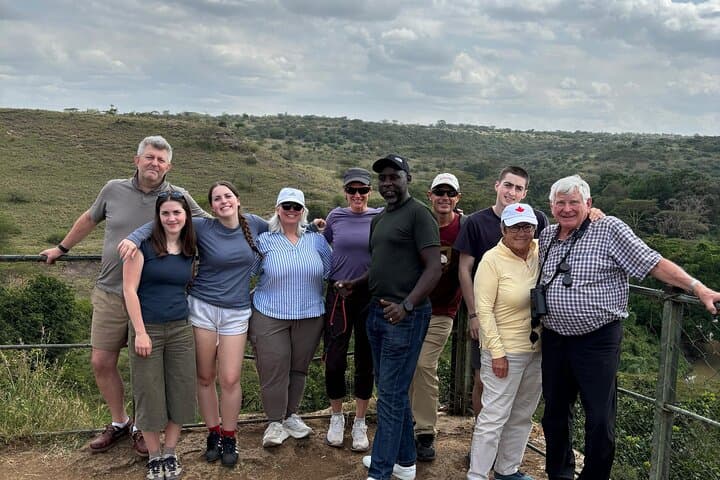
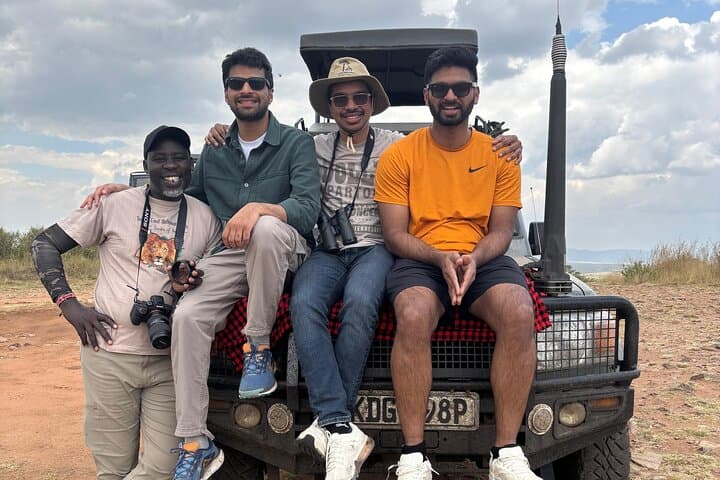
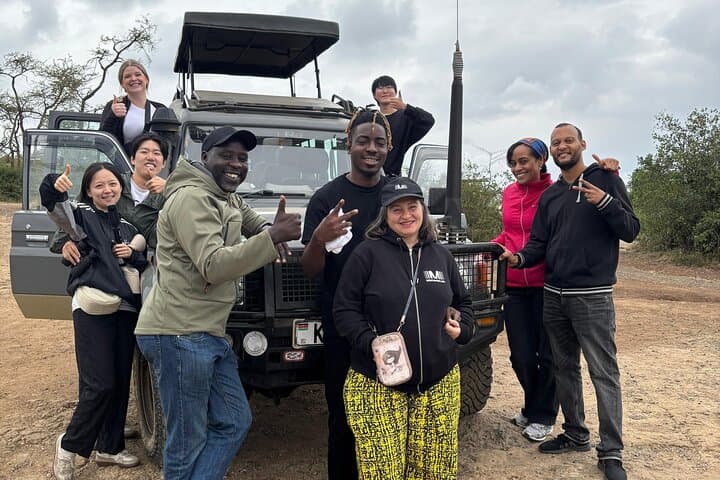
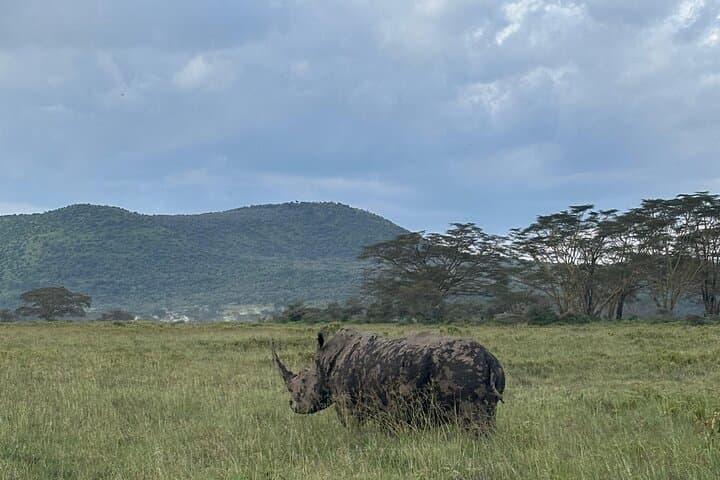
The road slips out of Nairobi at dawn, a ribbon of cracked tarmac unspooling past shanties and acacia-lined farms. By midmorning the city’s glass towers are a rearview memory and the air opens into the scrubland of Nairobi National Park, where giraffes pace along the horizon like slow-moving sentries and lions choose shade beneath thorny acacia. This two-day loop trades the bustle of Kenya’s capital for pulse-quickening encounters: urban-edge wildlife at Nairobi National Park on day one, then the flat, dusty grandeur of Amboseli on day two where bull elephants dominate the vistas and Mount Kilimanjaro looms, snow cap catching the late-afternoon light.
The road slips out of Nairobi at dawn, a ribbon of cracked tarmac unspooling past shanties and acacia-lined farms. By midmorning the city’s glass towers are a rearview memory and the air opens into the scrubland of Nairobi National Park, where giraffes pace along the horizon like slow-moving sentries and lions choose shade beneath thorny acacia. This two-day loop trades the bustle of Kenya’s capital for pulse-quickening encounters: urban-edge wildlife at Nairobi National Park on day one, then the flat, dusty grandeur of Amboseli on day two where bull elephants dominate the vistas and Mount Kilimanjaro looms, snow cap catching the late-afternoon light.
Nairobi National Park is an oddity—wild animals living within sight of skyscrapers—created in 1946 to conserve Kenya’s plains wildlife as the city expanded. Amboseli sits in the Rift Valley basin, a short drive south, its soils the legacy of tectonics and ancient volcanic activity; saline swamps and short grass plains are a magnet for elephants who commute between dry-season grazing and alkali marshes. The Maasai people have grazed cattle and navigated these plains for generations: their knowledge of water and animal movement continues to shape how safaris are run and where lodges position game drives.
Expect long game drives with frequent stops for photography and short walks where permitted. Accommodations—this tour lists Nyati Safari Lodge for the first night—are simple lodges or camps that focus on proximity to wildlife rather than luxury trappings. Meals include two lunches and a packed lunch on day two; transport is private and door-to-door pickup is available from Nairobi hotels or the airport.
Practicalities matter: roads between Nairobi and Amboseli are a mix of paved and rough sections; allow time for potholes and police checkpoints. Bring a pair of binoculars, sunscreen, and layered clothes—the mornings are cool, midday hot, and evenings can be crisp. Health-wise, confirm routine vaccinations and discuss malaria prophylaxis with your provider. Cash (Kenyan shillings) is useful for tips and small purchases; ATMs are common in Nairobi but scarce near Amboseli.
The best wildlife is seen early and late—dawn and dusk game drives are standard—while views of Kilimanjaro are clearest in the dry season when low humidity drops haze. If you want to linger after the scheduled drives, ask your guide about lesser-known viewpoints near swamps and seasonal pans where hippos gather. Bookings are instant and private; cancellations are refundable up to 24 hours before departure. For travelers who want high-confidence wildlife sightings with short transit from the city, this two-day combo is pragmatic, efficient and rooted in real terrain—where every dust plume or distant trumpet is a reason to stop the car and listen.