THE ADVENTURE COLLECTIVE® · Independent discovery and booking for outdoor travel

A 17-day guided circuit through the Balkans that moves beyond monuments to the region’s living culture—village kitchens, monastery frescoes, mountain passes, and market rhythms. Expect varied terrain, plenty of local interactions, and a pace built for immersive exploration.
A 17-day guided circuit through the Balkans that moves beyond monuments to the region’s living culture—village kitchens, monastery frescoes, mountain passes, and market rhythms. Expect varied terrain, plenty of local interactions, and a pace built for immersive exploration.
The bus eases out of Bucharest at dawn, headlights cutting through a morning mist that lifts like a curtain over orchards and limestone ridges. For the next 17 days you trade the steady rhythm of highways for the cadence of villages—stone courtyards, market calls, and mountain passes that push the air colder and clearer. This is not a checklist tour; it’s a slow circuit through geology and history, where rivers dare you to follow their valleys and fortified monasteries keep watch over plateaus carved by time.
Verified experiences and guided adventures in the surrounding area.
The bus eases out of Bucharest at dawn, headlights cutting through a morning mist that lifts like a curtain over orchards and limestone ridges. For the next 17 days you trade the steady rhythm of highways for the cadence of villages—stone courtyards, market calls, and mountain passes that push the air colder and clearer. This is not a checklist tour; it’s a slow circuit through geology and history, where rivers dare you to follow their valleys and fortified monasteries keep watch over plateaus carved by time.
Geology here reads like a layered book: Carpathian folds give way to Balkan ridgelines, dolomite outcrops, and river-carved gorges where millennia of water have ground bedrock into subtle relief. Culturally, the route threads Ottoman-era bazaars, Habsburg-influenced towns, and Orthodox monasteries painted with icons whose pigments have survived wars and weather. Local guides are storytellers and translators—they connect folk song to family lineage, explain bread-baking techniques, and point out the architectural fingerprints that mark centuries of migration and trade.
Expect days split between walking tours of old towns, moderate hikes to hilltop fortresses, and time in small communities for hands-on experiences: tasting sheep cheese in a mountain hut, learning a dance step in a village square, or joining a winemaker for an evening tasting. Nights vary from family-run guesthouses and small inns to a few nights in regional hotels, each place offering its own regional cuisine—hearty stews in colder uplands, grilled fish where rivers widen.
Practicalities: the itinerary covers 17 days and multiple countries, so carry a daypack for hikes and a main bag that’s easy to load and unload. Walking surfaces range from paved streets and cobbles to dirt tracks and uneven stone steps; sturdy footwear with good grip makes a difference. Water is generally available, but bring a refillable bottle and purification tablets for remote stretches. Documents matter—carry photocopies of passports and travel insurance information, and keep small local currency for markets and tips.
Pace yourself. Several full days include cultural immersion rather than intense physical challenge, but consecutive travel days and border crossings require flexibility. Bring layers for mountain mornings, a lightweight rain shell, and an appetite for long conversations—the best discoveries are often the unplanned stops your guide recommends. With preparation, this expedition becomes less a tour and more a corridor through the Balkans’ history, landscape, and living traditions—an extended invitation to move slowly and listen closely.
moderate.
17 days.
Suitable for travelers in regular physical condition who can handle daily walking of 3–6 miles and occasional short hikes.
Guides typically speak English; you’ll encounter Romanian, Bulgarian, Serbian, Macedonian, and local dialects—your guide will help with translation and cultural context.
Most breakfasts and several regional meals are included; local dinners or tastings may be optional—check the specific itinerary for inclusions.
The trip is moderate: expect daily walking, short hikes to viewpoints, and some uneven terrain but no technical climbing.
Yes—comprehensive travel insurance covering medical evacuation and trip interruption is strongly recommended for multi-country travel.
Visa requirements depend on your nationality and which Balkan countries are visited; check entry rules well before travel and plan for border crossings.
Local hosts can usually accommodate common dietary needs with advance notice—inform the operator about allergies or preferences when booking.
The Balkans are a crossroads of empires—Roman, Byzantine, Ottoman, and Austro-Hungarian influences overlap in language, architecture, and culinary traditions along the route.
Many rural areas are protecting traditional agricultural landscapes and habitats; support local guides and avoid single-use plastics to minimize your footprint.
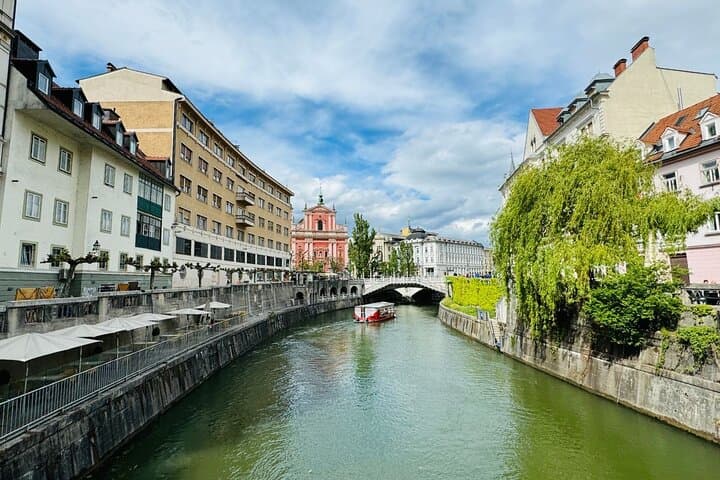
The bus eases out of Bucharest at dawn, headlights cutting through a morning mist that lifts like a curtain over orchards and limestone ridges. For the next 17 days you trade the steady rhythm of highways for the cadence of villages—stone courtyards, market calls, and mountain passes that push the air colder and clearer. This is not a checklist tour; it’s a slow circuit through geology and history, where rivers dare you to follow their valleys and fortified monasteries keep watch over plateaus carved by time.
The bus eases out of Bucharest at dawn, headlights cutting through a morning mist that lifts like a curtain over orchards and limestone ridges. For the next 17 days you trade the steady rhythm of highways for the cadence of villages—stone courtyards, market calls, and mountain passes that push the air colder and clearer. This is not a checklist tour; it’s a slow circuit through geology and history, where rivers dare you to follow their valleys and fortified monasteries keep watch over plateaus carved by time.
Geology here reads like a layered book: Carpathian folds give way to Balkan ridgelines, dolomite outcrops, and river-carved gorges where millennia of water have ground bedrock into subtle relief. Culturally, the route threads Ottoman-era bazaars, Habsburg-influenced towns, and Orthodox monasteries painted with icons whose pigments have survived wars and weather. Local guides are storytellers and translators—they connect folk song to family lineage, explain bread-baking techniques, and point out the architectural fingerprints that mark centuries of migration and trade.
Expect days split between walking tours of old towns, moderate hikes to hilltop fortresses, and time in small communities for hands-on experiences: tasting sheep cheese in a mountain hut, learning a dance step in a village square, or joining a winemaker for an evening tasting. Nights vary from family-run guesthouses and small inns to a few nights in regional hotels, each place offering its own regional cuisine—hearty stews in colder uplands, grilled fish where rivers widen.
Practicalities: the itinerary covers 17 days and multiple countries, so carry a daypack for hikes and a main bag that’s easy to load and unload. Walking surfaces range from paved streets and cobbles to dirt tracks and uneven stone steps; sturdy footwear with good grip makes a difference. Water is generally available, but bring a refillable bottle and purification tablets for remote stretches. Documents matter—carry photocopies of passports and travel insurance information, and keep small local currency for markets and tips.
Pace yourself. Several full days include cultural immersion rather than intense physical challenge, but consecutive travel days and border crossings require flexibility. Bring layers for mountain mornings, a lightweight rain shell, and an appetite for long conversations—the best discoveries are often the unplanned stops your guide recommends. With preparation, this expedition becomes less a tour and more a corridor through the Balkans’ history, landscape, and living traditions—an extended invitation to move slowly and listen closely.