THE ADVENTURE COLLECTIVE® · Independent discovery and booking for outdoor travel

From dune rims that dare you to canyon edges that hush, this 16‑day accommodated tour stitches Namibia’s greatest landscapes with cultural encounters. Expect early starts, long drives, game drives at Etosha, and visits with Himba and San communities.
From dune rims that dare you to canyon edges that hush, this 16‑day accommodated tour stitches Namibia’s greatest landscapes with cultural encounters. Expect early starts, long drives, game drives at Etosha, and visits with Himba and San communities.
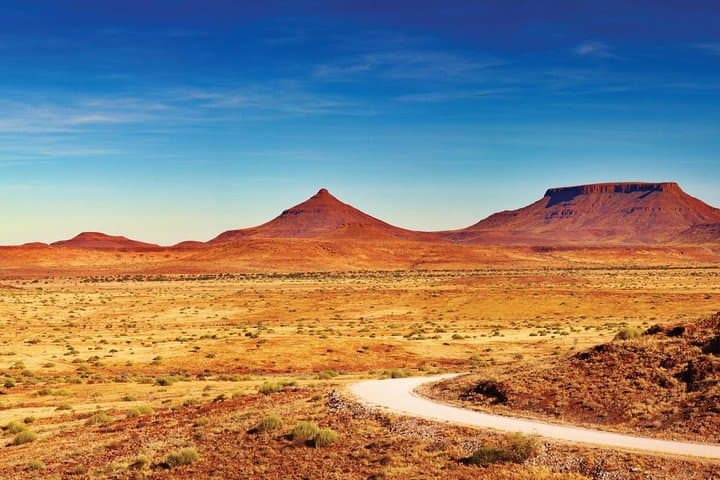
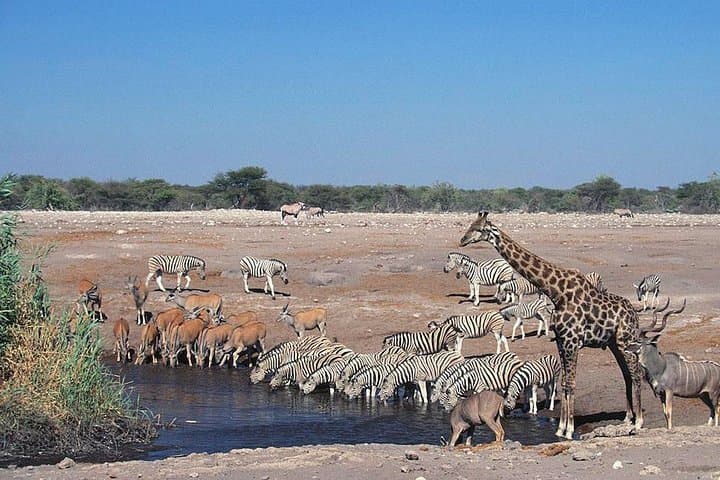
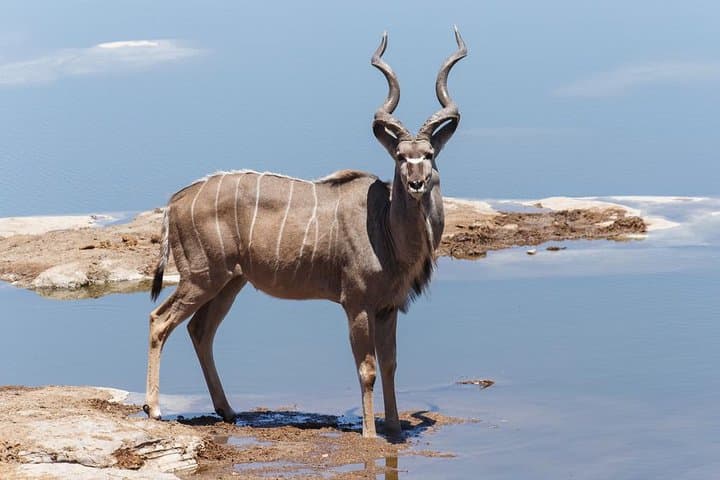
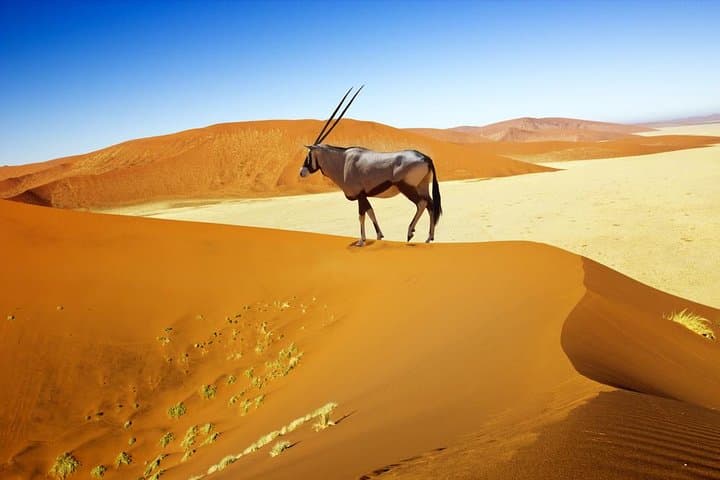
The bus hums to life before dawn, tyres whispering across the red Namibian gravel as the first pale light unspools over the dunes. You stand on the vehicle’s steps, coffee cooling in your hand, watching a desert that seems to push and pull at the horizon — dunes that dare you to climb them, a canyon that keeps its secrets in shadow. Over 16 days this accommodated tour threads those panoramas together: the rust-red swell of Sossusvlei, the skeletal pines of Dead Vlei, the sheer drop of Fish River Canyon, and the wide, salt-streaked bowl of Etosha where waterholes pull wildlife like magnets.
Verified experiences and guided adventures in the surrounding area.
Operated by Discovery Transfer and Tours Namibia · Windhoek, Khomas
The bus hums to life before dawn, tyres whispering across the red Namibian gravel as the first pale light unspools over the dunes. You stand on the vehicle’s steps, coffee cooling in your hand, watching a desert that seems to push and pull at the horizon — dunes that dare you to climb them, a canyon that keeps its secrets in shadow. Over 16 days this accommodated tour threads those panoramas together: the rust-red swell of Sossusvlei, the skeletal pines of Dead Vlei, the sheer drop of Fish River Canyon, and the wide, salt-streaked bowl of Etosha where waterholes pull wildlife like magnets.
The route follows Namibia’s geological timeline. The Namib is one of the world’s oldest deserts; its dunes are wind-sculpted monuments, shifting by season and storm. Fish River Canyon is an eroded remnant of tectonic drama, a folded landscape cut deep by time. Twyfelfontein’s rock engravings predate colonial maps and tell human stories carved into stone. German colonial architecture in Lüderitz and the coastal ghosts of Kolmanskop recall a boom‑and‑bust past defined by diamond fever and maritime trade.
Culturally, the itinerary balances nature with people: you meet Himba communities in the north, sharing daily life, and visit San groups whose tracking knowledge reads like living maps. Guides here are local interpreters of landscape and custom — an essential bridge that makes the big vistas intelligible and respectful.
Practically, plan for lots of seat time and short, intense excursions. Expect several long drives (3–6 hours) between lodges; mornings are for the desert and late afternoons for game drives when animals gather at water. Accommodation is a mix of lodges and guesthouses, with meals mostly included. National park fees and many transfers are part of the package, but carry cash for market purchases, gratuities, and remote stalls.
Gear up for sun and swing temperatures: a wide-brim hat, high-SPF sunscreen, and layered clothing for cold desert nights. Footwear should be sturdy for dune climbs and canyon scrambles; a small daypack, refillable water bottle, and binoculars will improve every stop.
Health-wise, the tour notes that it’s unsuitable for travelers with serious cardiovascular issues — some activities and dusty roads require mobility and stamina. Respect wildlife distances, follow guide instructions, and carry medications for motion sensitivity.
By the final day, after a morning among Okahandja’s wood‑carvers and the slow return to Windhoek, the country’s scale sinks in: Namibia is a place where geology sets the pace and the people help you keep it. This trip isn’t a race against the landscape — it’s a slow negotiation with it, and you leave knowing how to listen to sand and sky.
moderate.
16 days.
Moderate fitness for daily walks, dune climbs, and several long vehicle transits; good mobility helps.
Yes—national park fees and many entrance charges are listed among the tour inclusions.
Accommodations are lodge and guesthouse standard as specified in the itinerary, with most meals included per day.
Children can join but must be accompanied by an adult; consider long drives and early starts when planning for younger travelers.
Consult your doctor—some regions may require malaria prophylaxis; routine travel vaccinations are recommended.
Expect several days with 3–6 hour drives between stops; the itinerary balances long transits with full- and half-day excursions.
Always ask permission first—guides will advise on appropriate etiquette during cultural visits.
Namibia’s landscape is layered with history from ancient rock engravings at Twyfelfontein to German colonial architecture in coastal towns like Lüderitz.
Park fees contribute to protected-area management; visitors should stick to trails, avoid feeding wildlife, and minimize water and plastic use.
Discovery Transfer and Tours Namibia operates guided outdoor trips and adventures with an emphasis on safety, stewardship, and memorable experiences.
The bus hums to life before dawn, tyres whispering across the red Namibian gravel as the first pale light unspools over the dunes. You stand on the vehicle’s steps, coffee cooling in your hand, watching a desert that seems to push and pull at the horizon — dunes that dare you to climb them, a canyon that keeps its secrets in shadow. Over 16 days this accommodated tour threads those panoramas together: the rust-red swell of Sossusvlei, the skeletal pines of Dead Vlei, the sheer drop of Fish River Canyon, and the wide, salt-streaked bowl of Etosha where waterholes pull wildlife like magnets.
The bus hums to life before dawn, tyres whispering across the red Namibian gravel as the first pale light unspools over the dunes. You stand on the vehicle’s steps, coffee cooling in your hand, watching a desert that seems to push and pull at the horizon — dunes that dare you to climb them, a canyon that keeps its secrets in shadow. Over 16 days this accommodated tour threads those panoramas together: the rust-red swell of Sossusvlei, the skeletal pines of Dead Vlei, the sheer drop of Fish River Canyon, and the wide, salt-streaked bowl of Etosha where waterholes pull wildlife like magnets.
The route follows Namibia’s geological timeline. The Namib is one of the world’s oldest deserts; its dunes are wind-sculpted monuments, shifting by season and storm. Fish River Canyon is an eroded remnant of tectonic drama, a folded landscape cut deep by time. Twyfelfontein’s rock engravings predate colonial maps and tell human stories carved into stone. German colonial architecture in Lüderitz and the coastal ghosts of Kolmanskop recall a boom‑and‑bust past defined by diamond fever and maritime trade.
Culturally, the itinerary balances nature with people: you meet Himba communities in the north, sharing daily life, and visit San groups whose tracking knowledge reads like living maps. Guides here are local interpreters of landscape and custom — an essential bridge that makes the big vistas intelligible and respectful.
Practically, plan for lots of seat time and short, intense excursions. Expect several long drives (3–6 hours) between lodges; mornings are for the desert and late afternoons for game drives when animals gather at water. Accommodation is a mix of lodges and guesthouses, with meals mostly included. National park fees and many transfers are part of the package, but carry cash for market purchases, gratuities, and remote stalls.
Gear up for sun and swing temperatures: a wide-brim hat, high-SPF sunscreen, and layered clothing for cold desert nights. Footwear should be sturdy for dune climbs and canyon scrambles; a small daypack, refillable water bottle, and binoculars will improve every stop.
Health-wise, the tour notes that it’s unsuitable for travelers with serious cardiovascular issues — some activities and dusty roads require mobility and stamina. Respect wildlife distances, follow guide instructions, and carry medications for motion sensitivity.
By the final day, after a morning among Okahandja’s wood‑carvers and the slow return to Windhoek, the country’s scale sinks in: Namibia is a place where geology sets the pace and the people help you keep it. This trip isn’t a race against the landscape — it’s a slow negotiation with it, and you leave knowing how to listen to sand and sky.