THE ADVENTURE COLLECTIVE® · Independent discovery and booking for outdoor travel

An intensive, lodge-based circuit through Namibia’s signature landscapes — Etosha game drives, Sossusvlei dunes, Fish River Canyon and coastal shipwrecks — balanced with cultural visits and conservation encounters. A practical, 15-day overland tour that pairs big scenery with guided insights.
An intensive, lodge-based circuit through Namibia’s signature landscapes — Etosha game drives, Sossusvlei dunes, Fish River Canyon and coastal shipwrecks — balanced with cultural visits and conservation encounters. A practical, 15-day overland tour that pairs big scenery with guided insights.
Morning light lays a slow hand across the desert — ochre dunes, bare rock and a distant band of acacia. On day one a minivan eases out of Windhoek and into open country; by day three the vehicle is a silhouette against Etosha’s salt pans as elephants move like slow weather toward a waterhole. This is a trip that reads like a geography lesson written in extremes: coastal fog that breathes over shipwrecks, fossil dunes that climb to a horizon of black rock, and a canyon that feels as if the earth took a deep animal exhale and never returned it.
Verified experiences and guided adventures in the surrounding area.
Operated by Motema Tours and Safaris Namibia · Windhoek, Khomas
Morning light lays a slow hand across the desert — ochre dunes, bare rock and a distant band of acacia. On day one a minivan eases out of Windhoek and into open country; by day three the vehicle is a silhouette against Etosha’s salt pans as elephants move like slow weather toward a waterhole. This is a trip that reads like a geography lesson written in extremes: coastal fog that breathes over shipwrecks, fossil dunes that climb to a horizon of black rock, and a canyon that feels as if the earth took a deep animal exhale and never returned it.
The route stitches together major chapters of Namibia’s past and geology. German colonial settlements left Germanic architecture in Luderitz and Swakopmund; the rock engravings at Twyfelfontein record human presence here for thousands of years. Geologically, you travel from the ancient Brandberg massif through the Atlantic-fed Namib dune belt and across the Etosha salt pan — places formed by tectonics, wind, and a climate that alternates between a brittle dry season and sudden, life-giving rains.
Culturally the tour balances national parks with human stories: visits to a Himba village introduce living traditions of ornament and livestock management, while the Cheetah Conservation Fund offers a view of modern conservation practice and community partnerships. The route is deliberately paced — lodge stays, guided game drives in Etosha, dune ascents at Sossusvlei, and the empty, otherworldly rooms of Kolmanskop — so travelers see both spectacle and detail.
Practical guidance: this is a lodge-to-lodge overland tour with private guiding and hotel pickups in Windhoek. Wildlife viewing peaks in the dry winter months (May–September) when animals concentrate at waterholes. Pack for temperature swings: desert days can be hot, but nights are cold. Bring a 300mm+ lens for Etosha, closed shoes for Sesriem canyon walks, and a headlamp for early starts.
Health and logistics: the itinerary covers long driving days; if you have cardiovascular issues confirm fitness with your doctor. Vaccinations depend on origin country — check yellow fever requirements if transiting certain countries — and carry any prescription medication with original labels. Cash is useful in small towns for crafts, tips, and incidental purchases; ATMs are common only in larger centers.
Timing and photography: rise before dawn for the salt pan light and the best game-drive sightings; push a dune climb to late afternoon for sculpted shadows. Respect local communities: ask before photographing people in villages and follow guide instructions around wildlife.
Fifteen days here is less a checklist than a conversation with landscape — instructive, sometimes stark, frequently surprising. Come prepared, stay curious, and let the slow, enormous rhythms of Namibia set the pace.
moderate.
15 days.
Expect long travel days with short walks; be in average physical shape for dune climbs and canyon rim walks
Yes — the tour accepts solo travelers and includes private transfers and group-compatible lodge accommodation; some travelers book single rooms subject to availability and potential supplement.
No — transport is provided with experienced drivers; participants do not need to drive, though some optional activities like quad-biking may require additional briefings.
No mandatory vaccinations for entry from most countries, but check yellow fever rules if transiting endemic countries and consult a travel clinic for routine shots and malaria advice for northern regions.
Etosha hosts several Big Five species, though sightings vary; rhino and leopard are rarer — experienced guides maximize sighting chances by using local knowledge and timing drives for waterhole activity.
This is a guided lodge tour staying in comfortable mid-range lodges and camps with private rooms and amenities rather than rustic camping or luxury resorts.
Yes — operators note dietary restrictions during booking; lodges generally accommodate vegetarian, gluten-free and common allergies with advance notice.
Namibia’s modern borders were shaped under German colonial rule and later South African administration; indigenous San, Nama and Herero histories are visible in rock art and cultural practices throughout the route.
Namibia is a leader in community conservancies and sustainable wildlife management; visits support local projects like the Cheetah Conservation Fund and regional anti-poaching efforts.
Motema Tours and Safaris Namibia operates guided outdoor trips and adventures with an emphasis on safety, stewardship, and memorable experiences.
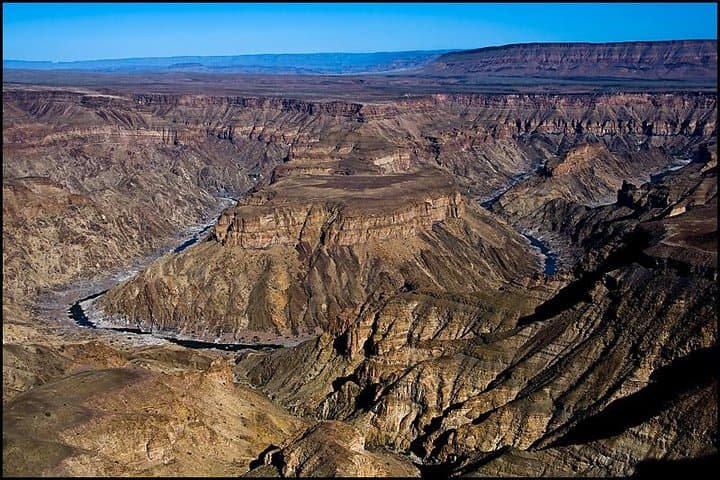
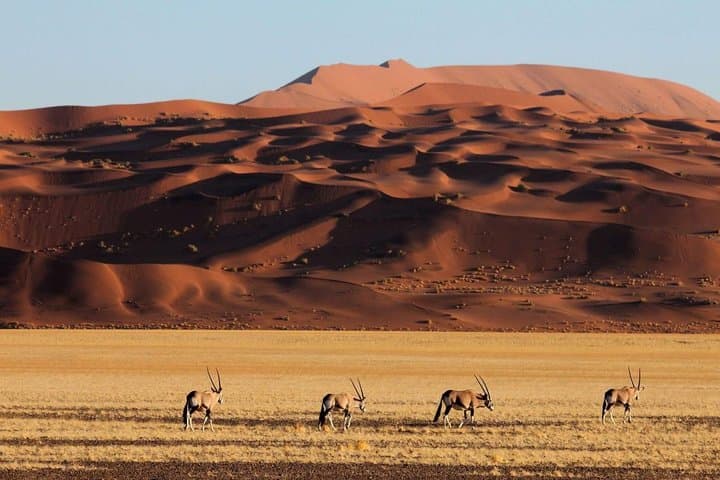
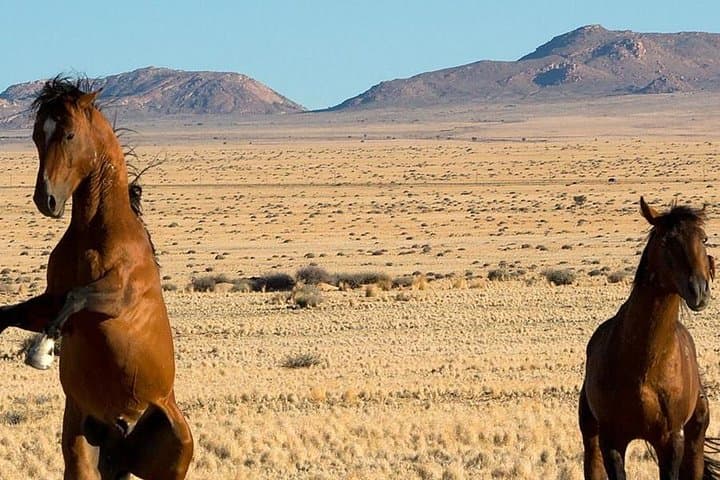
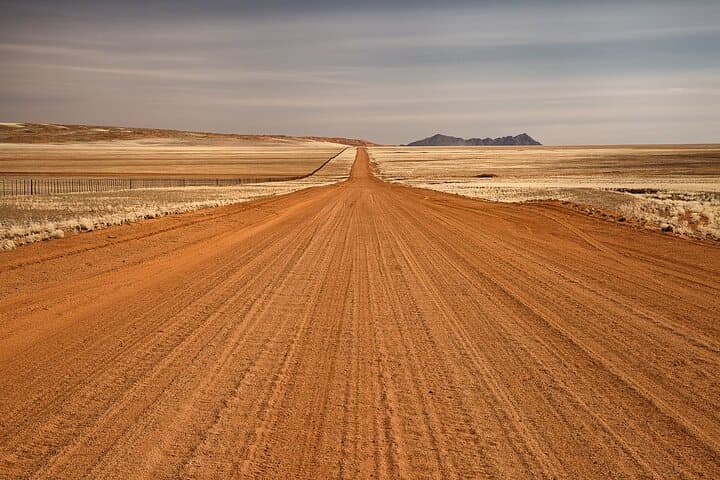
Morning light lays a slow hand across the desert — ochre dunes, bare rock and a distant band of acacia. On day one a minivan eases out of Windhoek and into open country; by day three the vehicle is a silhouette against Etosha’s salt pans as elephants move like slow weather toward a waterhole. This is a trip that reads like a geography lesson written in extremes: coastal fog that breathes over shipwrecks, fossil dunes that climb to a horizon of black rock, and a canyon that feels as if the earth took a deep animal exhale and never returned it.
Morning light lays a slow hand across the desert — ochre dunes, bare rock and a distant band of acacia. On day one a minivan eases out of Windhoek and into open country; by day three the vehicle is a silhouette against Etosha’s salt pans as elephants move like slow weather toward a waterhole. This is a trip that reads like a geography lesson written in extremes: coastal fog that breathes over shipwrecks, fossil dunes that climb to a horizon of black rock, and a canyon that feels as if the earth took a deep animal exhale and never returned it.
The route stitches together major chapters of Namibia’s past and geology. German colonial settlements left Germanic architecture in Luderitz and Swakopmund; the rock engravings at Twyfelfontein record human presence here for thousands of years. Geologically, you travel from the ancient Brandberg massif through the Atlantic-fed Namib dune belt and across the Etosha salt pan — places formed by tectonics, wind, and a climate that alternates between a brittle dry season and sudden, life-giving rains.
Culturally the tour balances national parks with human stories: visits to a Himba village introduce living traditions of ornament and livestock management, while the Cheetah Conservation Fund offers a view of modern conservation practice and community partnerships. The route is deliberately paced — lodge stays, guided game drives in Etosha, dune ascents at Sossusvlei, and the empty, otherworldly rooms of Kolmanskop — so travelers see both spectacle and detail.
Practical guidance: this is a lodge-to-lodge overland tour with private guiding and hotel pickups in Windhoek. Wildlife viewing peaks in the dry winter months (May–September) when animals concentrate at waterholes. Pack for temperature swings: desert days can be hot, but nights are cold. Bring a 300mm+ lens for Etosha, closed shoes for Sesriem canyon walks, and a headlamp for early starts.
Health and logistics: the itinerary covers long driving days; if you have cardiovascular issues confirm fitness with your doctor. Vaccinations depend on origin country — check yellow fever requirements if transiting certain countries — and carry any prescription medication with original labels. Cash is useful in small towns for crafts, tips, and incidental purchases; ATMs are common only in larger centers.
Timing and photography: rise before dawn for the salt pan light and the best game-drive sightings; push a dune climb to late afternoon for sculpted shadows. Respect local communities: ask before photographing people in villages and follow guide instructions around wildlife.
Fifteen days here is less a checklist than a conversation with landscape — instructive, sometimes stark, frequently surprising. Come prepared, stay curious, and let the slow, enormous rhythms of Namibia set the pace.