THE ADVENTURE COLLECTIVE® · Independent discovery and booking for outdoor travel

Twelve days across Kenya and Tanzania—Mara to Serengeti, Ngorongoro to Tarangire—deliver close-up Big Five encounters and a front-row seat to the Great Migration. This budget private safari pairs camping with optional lodge upgrades, long game drives, and cultural stops for a practical, wildlife-first journey.
Twelve days across Kenya and Tanzania—Mara to Serengeti, Ngorongoro to Tarangire—deliver close-up Big Five encounters and a front-row seat to the Great Migration. This budget private safari pairs camping with optional lodge upgrades, long game drives, and cultural stops for a practical, wildlife-first journey.
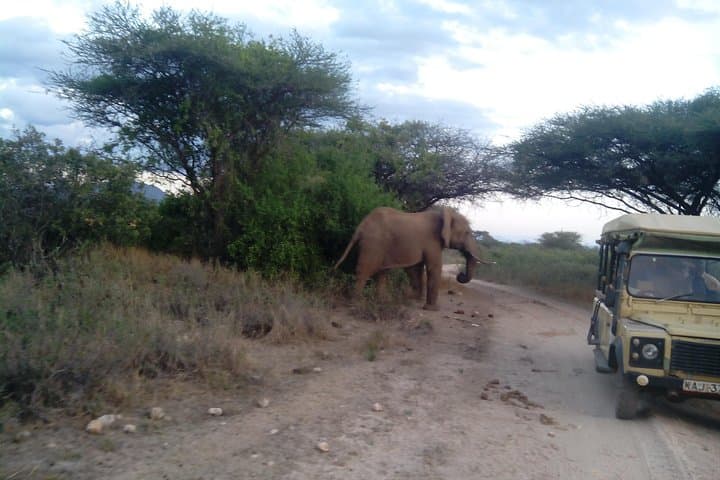
The sun lifts off the Mara like a slow, gold tide. Early light finds the pop-roof of your safari jeep already raised and the guide scanning the horizon—lions loaf in the dust, warthogs skitter like punctuation, and a distant river hisses with the movement of crossing wildebeest. This is a travel day that asks little of you but promises a lot: long road miles traded for close encounters, nights under canvas, and the raw geography that has shaped East Africa for millennia.
Verified experiences and guided adventures in the surrounding area.
Operated by PERFECT WILDERNESS TOURS AND SAFARIS · Nairobi, Nairobi County
The sun lifts off the Mara like a slow, gold tide. Early light finds the pop-roof of your safari jeep already raised and the guide scanning the horizon—lions loaf in the dust, warthogs skitter like punctuation, and a distant river hisses with the movement of crossing wildebeest. This is a travel day that asks little of you but promises a lot: long road miles traded for close encounters, nights under canvas, and the raw geography that has shaped East Africa for millennia.
The route traces the Great Rift Valley, a scar in the earth formed by tectonic plates pulling apart over millions of years. That fracture feeds lakes, volcanoes and lush calderas—most dramatically Ngorongoro, the world’s largest intact volcanic caldera, where the crater floor supports astonishing game densities. Maasai Mara and Serengeti are two sides of the same ecological coin; their grasslands fuel migration cycles older than human maps. Along the way, cultural notes matter: friendly Maasai villages open a window into pastoral life, while markets in Arusha and Nairobi remind you that this is lived-in country, not just a wildlife brochure.
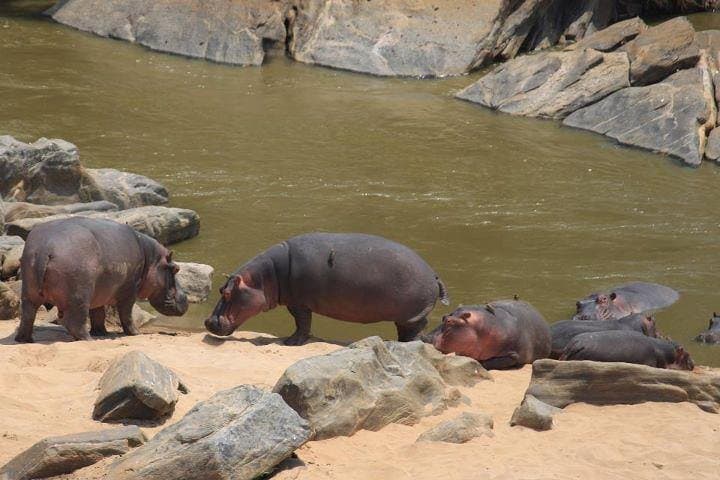
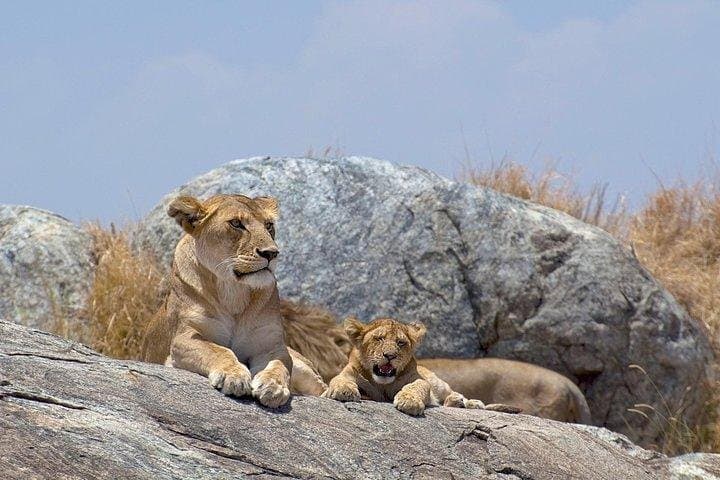
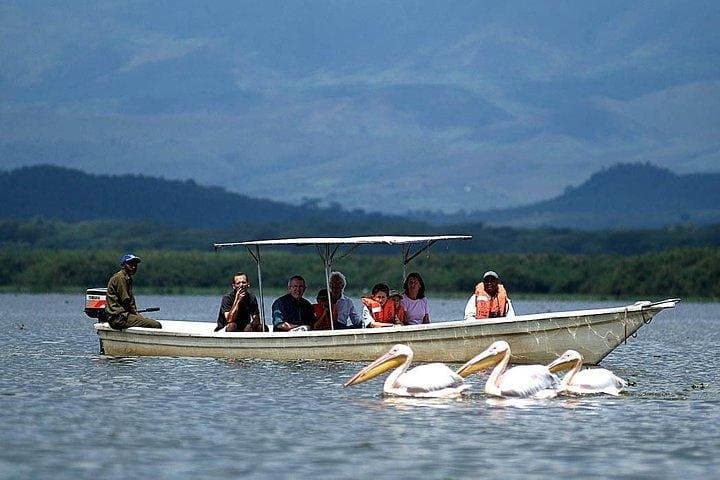
Geology meets choreography here—wildebeest rivers daring you to witness their crossings, hippo pools that claim midday territory, and the Rift escarpment that frames Lake Nakuru’s flamingo flats. The itinerary compresses it—Lake Naivasha’s boat rides and Hell’s Gate biking, Nakuru's black rhino, oversized elephant herds in Tarangire, tree-climbing lions at Manyara, and the Serengeti’s vast plains where Pride Rock–style vistas feel earned.
Practically: this is a 12-day loop beginning and ending in Nairobi (or reversed from Kilimanjaro). Expect long drives—several 4–8 hour transits on gravel and tarmac—so motion sickness meds and layered clothing for dust and dawn chill are smart. Accommodations vary: budget camping with supplied gear and private chef most nights, with an optional upgrade to comfort lodges in Tanzania for about $400 pp. Park fees, many meals, bottled water and a professional driver/guide are included; visas, international flights, and personal insurance are not.
Health and logistics: vaccinations and malaria prophylaxis are recommended; carry copies of passports and arrival flight details for the pick-up. Altitude briefly matters on the Ngorongoro rim (roughly 2,200–2,400m)—move slowly on arrival if you feel breathless. Photography tools should include a long lens, plenty of batteries, and a dust cover; the pop-roof vehicle makes framing easy but keep gear secure when stopping.
If you go, plan for early starts and late drives to catch the best wildlife windows, budget time in Nairobi for arrival logistics, and set expectations: this is an active, immersive safari that trades polish for proximity. The land here is not decorative—the plains push back, the rivers decide crossings, and every campfire evening reinforces that you are moving through a landscape that still runs on its own terms.
moderate.
12 days.
Good baseline fitness for multi-hour game drives and occasional short walks; be prepared for long days in vehicles.
Most nationalities require visas; check current entry requirements for both countries and obtain electronic or on-arrival visas as advised well before travel.
Malaria risk exists in many areas on this route—consult your doctor about antimalarial medication and take mosquito precautions at night.
Expect long stretches on gravel and dirt with occasional potholes; drives between parks can be 4–8 hours—bring motion-sickness measures and patience.
Yes—there’s an optional upgrade to comfort lodges for the Tanzania portion for about $400 per person, payable locally or per booking terms.
Kenyan shillings (KES) and Tanzanian shillings (TZS) are local currencies; small USD or card payments are accepted at lodges—carry some local cash for markets and tips.
The operator notes the tour is not recommended for pregnant women; infant seats are available and the trip suits many family types—confirm specifics at booking.
The Maasai people have grazed these plains for centuries; their pastoral knowledge and seasonal movement historically intersect with the migration routes that sustain park ecosystems.
Many parks rely on entrance fees for local conservation; choose lodges and operators that support community projects and minimize single-use plastics to reduce impact.
PERFECT WILDERNESS TOURS AND SAFARIS operates guided outdoor trips and adventures with an emphasis on safety, stewardship, and memorable experiences.
The sun lifts off the Mara like a slow, gold tide. Early light finds the pop-roof of your safari jeep already raised and the guide scanning the horizon—lions loaf in the dust, warthogs skitter like punctuation, and a distant river hisses with the movement of crossing wildebeest. This is a travel day that asks little of you but promises a lot: long road miles traded for close encounters, nights under canvas, and the raw geography that has shaped East Africa for millennia.
The sun lifts off the Mara like a slow, gold tide. Early light finds the pop-roof of your safari jeep already raised and the guide scanning the horizon—lions loaf in the dust, warthogs skitter like punctuation, and a distant river hisses with the movement of crossing wildebeest. This is a travel day that asks little of you but promises a lot: long road miles traded for close encounters, nights under canvas, and the raw geography that has shaped East Africa for millennia.
The route traces the Great Rift Valley, a scar in the earth formed by tectonic plates pulling apart over millions of years. That fracture feeds lakes, volcanoes and lush calderas—most dramatically Ngorongoro, the world’s largest intact volcanic caldera, where the crater floor supports astonishing game densities. Maasai Mara and Serengeti are two sides of the same ecological coin; their grasslands fuel migration cycles older than human maps. Along the way, cultural notes matter: friendly Maasai villages open a window into pastoral life, while markets in Arusha and Nairobi remind you that this is lived-in country, not just a wildlife brochure.
Geology meets choreography here—wildebeest rivers daring you to witness their crossings, hippo pools that claim midday territory, and the Rift escarpment that frames Lake Nakuru’s flamingo flats. The itinerary compresses it—Lake Naivasha’s boat rides and Hell’s Gate biking, Nakuru's black rhino, oversized elephant herds in Tarangire, tree-climbing lions at Manyara, and the Serengeti’s vast plains where Pride Rock–style vistas feel earned.
Practically: this is a 12-day loop beginning and ending in Nairobi (or reversed from Kilimanjaro). Expect long drives—several 4–8 hour transits on gravel and tarmac—so motion sickness meds and layered clothing for dust and dawn chill are smart. Accommodations vary: budget camping with supplied gear and private chef most nights, with an optional upgrade to comfort lodges in Tanzania for about $400 pp. Park fees, many meals, bottled water and a professional driver/guide are included; visas, international flights, and personal insurance are not.
Health and logistics: vaccinations and malaria prophylaxis are recommended; carry copies of passports and arrival flight details for the pick-up. Altitude briefly matters on the Ngorongoro rim (roughly 2,200–2,400m)—move slowly on arrival if you feel breathless. Photography tools should include a long lens, plenty of batteries, and a dust cover; the pop-roof vehicle makes framing easy but keep gear secure when stopping.
If you go, plan for early starts and late drives to catch the best wildlife windows, budget time in Nairobi for arrival logistics, and set expectations: this is an active, immersive safari that trades polish for proximity. The land here is not decorative—the plains push back, the rivers decide crossings, and every campfire evening reinforces that you are moving through a landscape that still runs on its own terms.