THE ADVENTURE COLLECTIVE® · Independent discovery and booking for outdoor travel

A 12-day loop from Windhoek to the Skeleton Coast, Etosha and Sossusvlei, this camping safari covers Namibia’s most dramatic landscapes and cultural highlights. Expect early starts, long drives and nights under brilliant desert skies.
A 12-day loop from Windhoek to the Skeleton Coast, Etosha and Sossusvlei, this camping safari covers Namibia’s most dramatic landscapes and cultural highlights. Expect early starts, long drives and nights under brilliant desert skies.
The bus pulls out of Windhoek before dawn, headlights cutting a pale path through the highland air. Inside, the hum of fellow travelers softens as Namibia unfolds: acacia-sprinkled savanna, salt-baked plains, a coastline that dares you to get too close. Over the next 12 days you move from the country’s political heart to its geological extremes — game-rich pans and towering dunes, ship-strewn beaches and granite monoliths — camping most nights beneath merciless stars.
Verified experiences and guided adventures in the surrounding area.
Operated by Chameleon Safaris · Windhoek, Khomas
The bus pulls out of Windhoek before dawn, headlights cutting a pale path through the highland air. Inside, the hum of fellow travelers softens as Namibia unfolds: acacia-sprinkled savanna, salt-baked plains, a coastline that dares you to get too close. Over the next 12 days you move from the country’s political heart to its geological extremes — game-rich pans and towering dunes, ship-strewn beaches and granite monoliths — camping most nights beneath merciless stars.
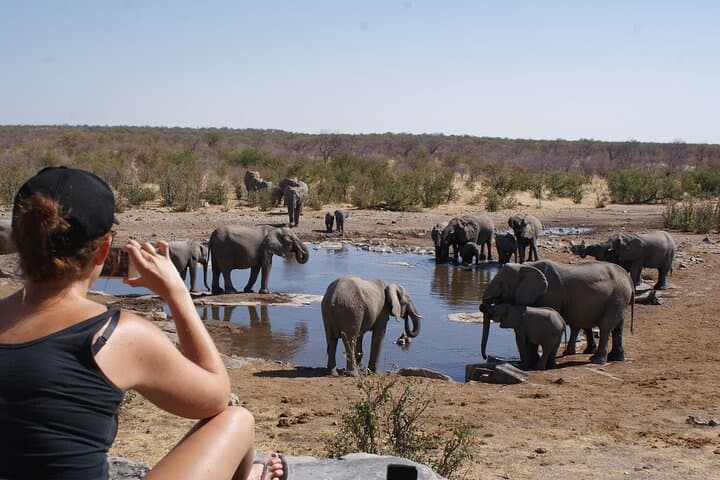
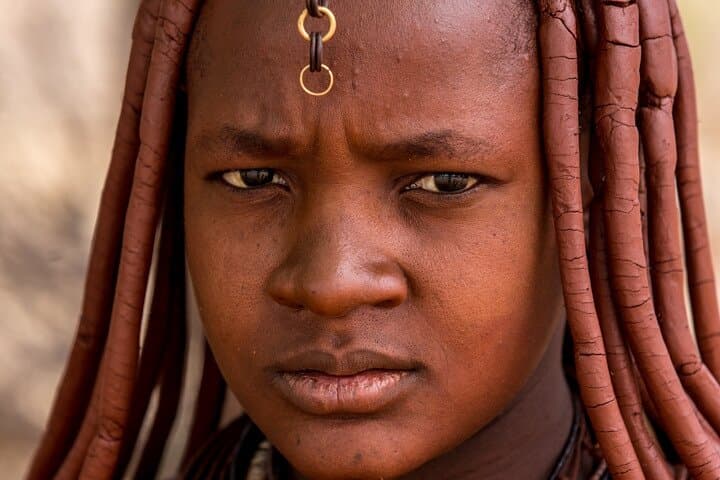
The route reads like a primer on Namibian geography and history. Etosha’s white pan is an ancient salt basin — 4,500 km² of reflective crust where animals gather at waterholes and predators time their patience. The Namib Desert, older than the Sahara, sculpts dunes that can top 300 meters; Sossusvlei’s Dune 45 is a classroom in sand dynamics and light. The Skeleton Coast tells maritime history in ribs of wrecks and the fossil trace of ocean currents. Cultural threads run through the trip too: a guided visit to a Himba village in the north introduces a pastoral people whose red-ochre and braided hair traditions have endured in a changing landscape.
Geology is never abstract here — it’s tactile. Granite at Spitzkoppe rises like a weathered cathedral; the Fish River Canyon, second only to the Grand Canyon by some measures, reveals layered rock and a story of tectonic pull and ancient river incision. Faunal highlights are equally vivid: Etosha’s floodlit waterholes attract elephant, rhino, lion and hyena, while Palmwag and the Kunene region give you a chance of spotting desert-adapted elephants.
Practicalities that make or break the trip: expect long driving days (commonly 200–500 km between major stops; budget 3–8 hours on the road depending on dirt sections) and varied camping standards — 10 nights under tents, one night in hotel rooms, and occasional basic cabins. Desert nights are cold; pack warm layers and a good sleeping pad. Bring 3–4 liters of water per day, high-SPF sun protection, and sturdy footwear for dune climbs and short hikes. Early starts are part of the rhythm — predators move at first light, and dunes are best climbed at sunrise before the heat peaks.
The trip is social and guide-led: meals are communal, often cooked over open fires, and local guides provide context for wildlife sightings and cultural visits. For photographers, dawn and dusk are the prize windows; for adrenaline-seekers, Swakopmund offers optional skydiving, sandboarding and quad biking. If you want a compact, no-frills introduction to Namibia that pairs wild landscapes with meaningful cultural stops, this itinerary delivers — long roads and early mornings included.
moderate.
12 days.
Participants should have a moderate level of fitness — able to climb dunes, handle uneven trails and endure several long driving days.
A moderate level of fitness is sufficient — you should be comfortable with short hikes, climbing dunes and spending long days on the road.
The tour includes 10 nights camping (tents supplied), one night in a twin-share hotel room and occasional cabins; camping equipment is provided.
Most meals are included: breakfasts on most days, picnic lunches and dinners prepared by the guide; one evening in Swakopmund is at your own expense.
Children may join but check with the operator — long drives and rough roads can be challenging for younger travelers.
Ensure your passport is valid and check current health advice; routine vaccinations are recommended and travel insurance is advised.
Yes — Swakopmund offers optional activities like skydiving, quad biking and sandboarding; these are booked/paid locally and can be scheduled on the free afternoon.
Kolmanskop was a diamond boomtown in the early 20th century that was abandoned and is now a haunting example of Namibia’s mining history.
Many reserves visited contribute to species reintroduction and anti-poaching efforts; follow guide instructions to minimize disturbance and support local conservation programs.
Chameleon Safaris operates guided outdoor trips and adventures with an emphasis on safety, stewardship, and memorable experiences.
The bus pulls out of Windhoek before dawn, headlights cutting a pale path through the highland air. Inside, the hum of fellow travelers softens as Namibia unfolds: acacia-sprinkled savanna, salt-baked plains, a coastline that dares you to get too close. Over the next 12 days you move from the country’s political heart to its geological extremes — game-rich pans and towering dunes, ship-strewn beaches and granite monoliths — camping most nights beneath merciless stars.
The bus pulls out of Windhoek before dawn, headlights cutting a pale path through the highland air. Inside, the hum of fellow travelers softens as Namibia unfolds: acacia-sprinkled savanna, salt-baked plains, a coastline that dares you to get too close. Over the next 12 days you move from the country’s political heart to its geological extremes — game-rich pans and towering dunes, ship-strewn beaches and granite monoliths — camping most nights beneath merciless stars.
The route reads like a primer on Namibian geography and history. Etosha’s white pan is an ancient salt basin — 4,500 km² of reflective crust where animals gather at waterholes and predators time their patience. The Namib Desert, older than the Sahara, sculpts dunes that can top 300 meters; Sossusvlei’s Dune 45 is a classroom in sand dynamics and light. The Skeleton Coast tells maritime history in ribs of wrecks and the fossil trace of ocean currents. Cultural threads run through the trip too: a guided visit to a Himba village in the north introduces a pastoral people whose red-ochre and braided hair traditions have endured in a changing landscape.
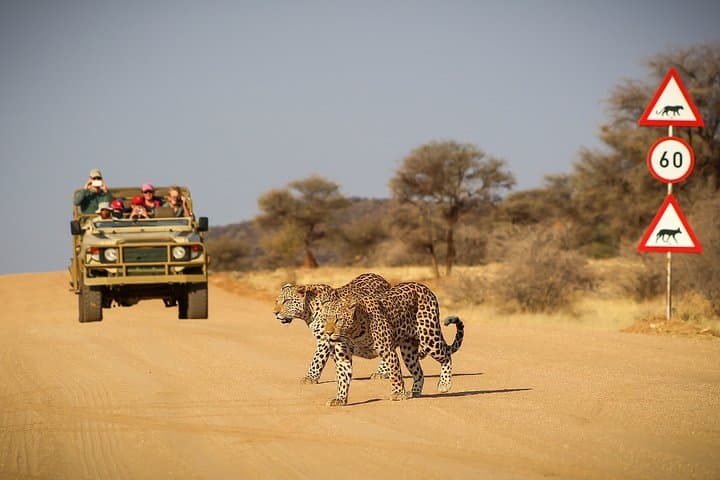
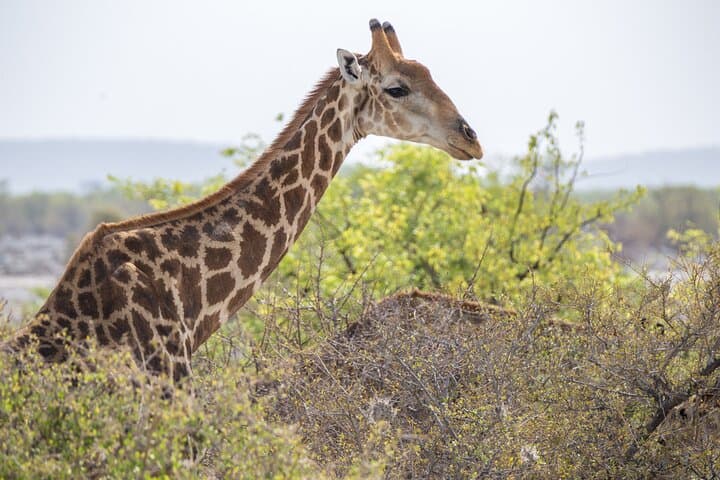
Geology is never abstract here — it’s tactile. Granite at Spitzkoppe rises like a weathered cathedral; the Fish River Canyon, second only to the Grand Canyon by some measures, reveals layered rock and a story of tectonic pull and ancient river incision. Faunal highlights are equally vivid: Etosha’s floodlit waterholes attract elephant, rhino, lion and hyena, while Palmwag and the Kunene region give you a chance of spotting desert-adapted elephants.
Practicalities that make or break the trip: expect long driving days (commonly 200–500 km between major stops; budget 3–8 hours on the road depending on dirt sections) and varied camping standards — 10 nights under tents, one night in hotel rooms, and occasional basic cabins. Desert nights are cold; pack warm layers and a good sleeping pad. Bring 3–4 liters of water per day, high-SPF sun protection, and sturdy footwear for dune climbs and short hikes. Early starts are part of the rhythm — predators move at first light, and dunes are best climbed at sunrise before the heat peaks.
The trip is social and guide-led: meals are communal, often cooked over open fires, and local guides provide context for wildlife sightings and cultural visits. For photographers, dawn and dusk are the prize windows; for adrenaline-seekers, Swakopmund offers optional skydiving, sandboarding and quad biking. If you want a compact, no-frills introduction to Namibia that pairs wild landscapes with meaningful cultural stops, this itinerary delivers — long roads and early mornings included.