THE ADVENTURE COLLECTIVE® · Independent discovery and booking for outdoor travel

An 11-day circuit of the Philippines that threads Cebu, Bohol, Camiguin and Palawan — whale sharks at dawn, canyoneering and Kawasan Falls, the Chocolate Hills, volcanic springs and El Nido’s lagoons. Expect early starts, island ferries and a mix of active and restorative moments.
An 11-day circuit of the Philippines that threads Cebu, Bohol, Camiguin and Palawan — whale sharks at dawn, canyoneering and Kawasan Falls, the Chocolate Hills, volcanic springs and El Nido’s lagoons. Expect early starts, island ferries and a mix of active and restorative moments.
The van pulls away from a sleepy Cebu hotel at 4:00 a.m., headlights cutting through a humid predawn that already smells of sea salt and frying oil. In under three hours you’ll trade city streets for limestone cliffs, coral gardens and a river that disappears beneath a mountain. This is not a single hike or a single beach — it’s an itinerary that stitches five islands into eleven days of marine wildlife encounters, canyon jumps, cavern boats and volcanic springs.
Verified experiences and guided adventures in the surrounding area.
Operated by Rio Travel and Tour · Cebu City, Cebu
The van pulls away from a sleepy Cebu hotel at 4:00 a.m., headlights cutting through a humid predawn that already smells of sea salt and frying oil. In under three hours you’ll trade city streets for limestone cliffs, coral gardens and a river that disappears beneath a mountain. This is not a single hike or a single beach — it’s an itinerary that stitches five islands into eleven days of marine wildlife encounters, canyon jumps, cavern boats and volcanic springs.
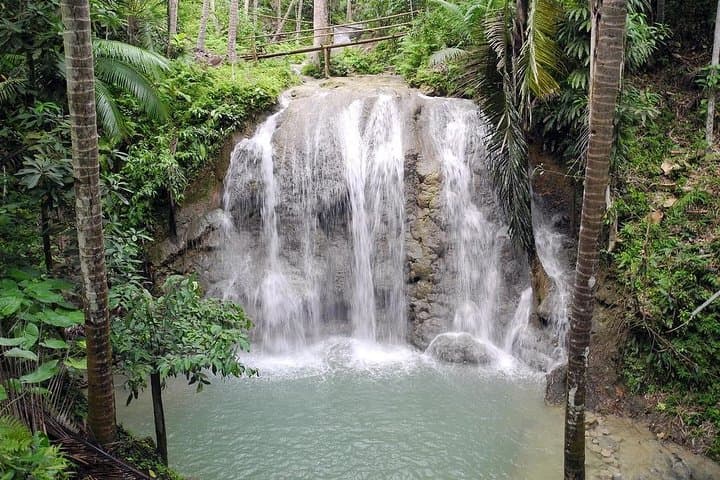
Start with Cebu’s coastal drama: Oslob’s whale sharks arrive with the dawn, gentle giants nudging plankton-rich surface water while small banca boats drift like postcards. From there the pulse quickens — canyoneering through Badian’s limestone gorges to Kawasan Falls, where a multi-hour route through boulders, pools and short cliff faces ends with a swim beneath a tiered cascade.
Bohol changes the tempo. The Chocolate Hills rise in neat conical mounds (roughly 30–50 m) across the horizon, 1,268 or so grassy domes that turn chocolate-brown in the dry season. Nearby, tarsiers — dime-sized, round-eyed primates — claim the twilight, and the Loboc River winds through mahogany corridors, its cruise boats offering lunches and local song. ATV tracks around Carmen give a dirt-splattered, kinetic view of the hills for those who prefer throttle to footsteps.
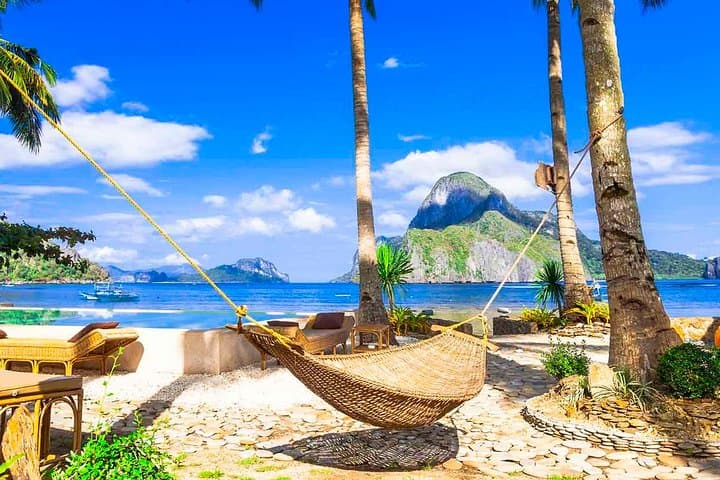
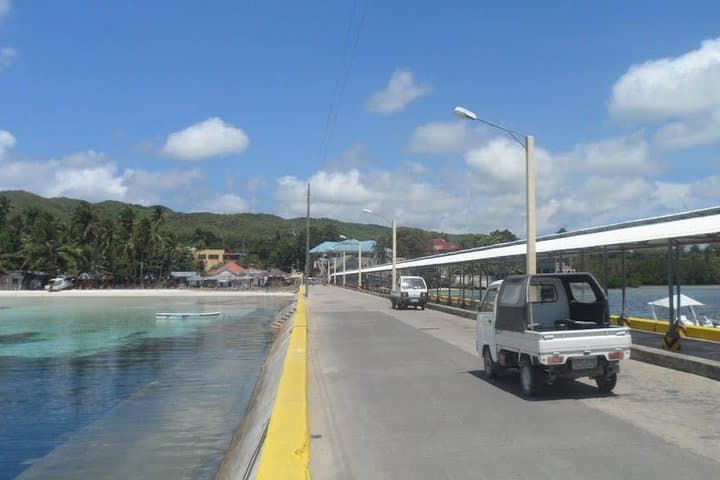
Camiguin’s story is volcanic: white sand ribbons like White Island sit a 1.4 km barge ride from Mambajao; Katibawasan Falls drops through rainforest ferns; and hot springs at Ardent mix masks of steam and green slopes from Mt. Hibok-Hibok. Then Palawan closes the loop with the subterranean river at Puerto Princesa — a cave river whose chambers hold stalactites, bats and a second-floor waterfall — before El Nido’s karst lagoons and hidden beaches provide a last flourish.
Practical notes: ferries between islands range from 1–3 hours (Cebu–Bohol ≈ 2 hours), airport transfers and early-morning departures are common, and some legs (Kawasan canyoneering, snorkel sites in Balicasag) require basic swimming ability and comfort in choppy water. Expect humid tropical temps (25–33°C), sudden showers in the wet season, and mixed accommodations from budget inns to mid-range resorts as you move islands.
Pack reef-safe sunscreen, a dry bag for cameras, sturdy water shoes for rocks and canyoneering, and a small medical kit for blisters or minor cuts. Plan for early starts (pre-dawn pickups), cash for small local purchases, and flexibility — domestic flights and ferry schedules do shift. With that, the islands open: rivers daring you to follow them, cliffs inviting one last jump, and lagoons that keep secrets worth rising early for.
moderate.
11 days.
Moderate fitness: comfortable with multiple short hikes, stair climbs (Chocolate Hills observation), basic swimming and prolonged days of travel.
Basic swimming ability is recommended for snorkeling and some island landings; guides provide life jackets and close supervision on boats.
The itinerary references both fast ferries and domestic flights; check your booking confirmation for which legs are included and which you must arrange.
Yes—many components are family-friendly, but children should be supervised during whale-shark encounters, canyoneering and open-water snorkeling.
Carry Philippine pesos for markets, tips and small fees; larger hotels accept cards but many island vendors do not.
Canyoneering involves scrambling over rocks, short jumps and wading; wear shoes with good grip and be prepared for several hours of active movement.
Some attractions include admission, but expect local environmental or docking fees at islands and parks—bring small cash for these.
Cebu was the first Spanish foothold in the Philippines (1521), with Magellan’s Cross and Fort San Pedro marking colonial contact that reshaped local trade and faith.
The tour visits protected sites (Puerto Princesa Underground River, tarsier sanctuaries); follow guides’ rules, use reef-safe sunscreen and avoid touching coral or wildlife.
Rio Travel and Tour operates guided outdoor trips and adventures with an emphasis on safety, stewardship, and memorable experiences.
The van pulls away from a sleepy Cebu hotel at 4:00 a.m., headlights cutting through a humid predawn that already smells of sea salt and frying oil. In under three hours you’ll trade city streets for limestone cliffs, coral gardens and a river that disappears beneath a mountain. This is not a single hike or a single beach — it’s an itinerary that stitches five islands into eleven days of marine wildlife encounters, canyon jumps, cavern boats and volcanic springs.
The van pulls away from a sleepy Cebu hotel at 4:00 a.m., headlights cutting through a humid predawn that already smells of sea salt and frying oil. In under three hours you’ll trade city streets for limestone cliffs, coral gardens and a river that disappears beneath a mountain. This is not a single hike or a single beach — it’s an itinerary that stitches five islands into eleven days of marine wildlife encounters, canyon jumps, cavern boats and volcanic springs.
Start with Cebu’s coastal drama: Oslob’s whale sharks arrive with the dawn, gentle giants nudging plankton-rich surface water while small banca boats drift like postcards. From there the pulse quickens — canyoneering through Badian’s limestone gorges to Kawasan Falls, where a multi-hour route through boulders, pools and short cliff faces ends with a swim beneath a tiered cascade.
Bohol changes the tempo. The Chocolate Hills rise in neat conical mounds (roughly 30–50 m) across the horizon, 1,268 or so grassy domes that turn chocolate-brown in the dry season. Nearby, tarsiers — dime-sized, round-eyed primates — claim the twilight, and the Loboc River winds through mahogany corridors, its cruise boats offering lunches and local song. ATV tracks around Carmen give a dirt-splattered, kinetic view of the hills for those who prefer throttle to footsteps.
Camiguin’s story is volcanic: white sand ribbons like White Island sit a 1.4 km barge ride from Mambajao; Katibawasan Falls drops through rainforest ferns; and hot springs at Ardent mix masks of steam and green slopes from Mt. Hibok-Hibok. Then Palawan closes the loop with the subterranean river at Puerto Princesa — a cave river whose chambers hold stalactites, bats and a second-floor waterfall — before El Nido’s karst lagoons and hidden beaches provide a last flourish.
Practical notes: ferries between islands range from 1–3 hours (Cebu–Bohol ≈ 2 hours), airport transfers and early-morning departures are common, and some legs (Kawasan canyoneering, snorkel sites in Balicasag) require basic swimming ability and comfort in choppy water. Expect humid tropical temps (25–33°C), sudden showers in the wet season, and mixed accommodations from budget inns to mid-range resorts as you move islands.
Pack reef-safe sunscreen, a dry bag for cameras, sturdy water shoes for rocks and canyoneering, and a small medical kit for blisters or minor cuts. Plan for early starts (pre-dawn pickups), cash for small local purchases, and flexibility — domestic flights and ferry schedules do shift. With that, the islands open: rivers daring you to follow them, cliffs inviting one last jump, and lagoons that keep secrets worth rising early for.