THE ADVENTURE COLLECTIVE® · Independent discovery and booking for outdoor travel

Explore the Galapagos across three islands in eleven days: volcanic hikes, snorkeling in lava tunnels, and close encounters with giant tortoises and seabirds. This itinerary balances active land treks with boat-based marine wildlife viewing and local conservation insights.
Explore the Galapagos across three islands in eleven days: volcanic hikes, snorkeling in lava tunnels, and close encounters with giant tortoises and seabirds. This itinerary balances active land treks with boat-based marine wildlife viewing and local conservation insights.
A salt-stiff breeze meets the ferry as it slips away from Puerto Ayora; pelicans wheel over the wake and a guide calls out the first sighting of a sea lion hauled out on black lava. Over the next eleven days the archipelago unfolds like a field guide come alive: volcanic calderas ringed with scarlet sesuvium, tidal channels where blue-footed boobies plunge for fish, and the steady, slow gait of giant tortoises in the highlands.
Verified experiences and guided adventures in the surrounding area.
Operated by Perfect Destiny · Puerto Ayora, Galápagos Province
A salt-stiff breeze meets the ferry as it slips away from Puerto Ayora; pelicans wheel over the wake and a guide calls out the first sighting of a sea lion hauled out on black lava. Over the next eleven days the archipelago unfolds like a field guide come alive: volcanic calderas ringed with scarlet sesuvium, tidal channels where blue-footed boobies plunge for fish, and the steady, slow gait of giant tortoises in the highlands.
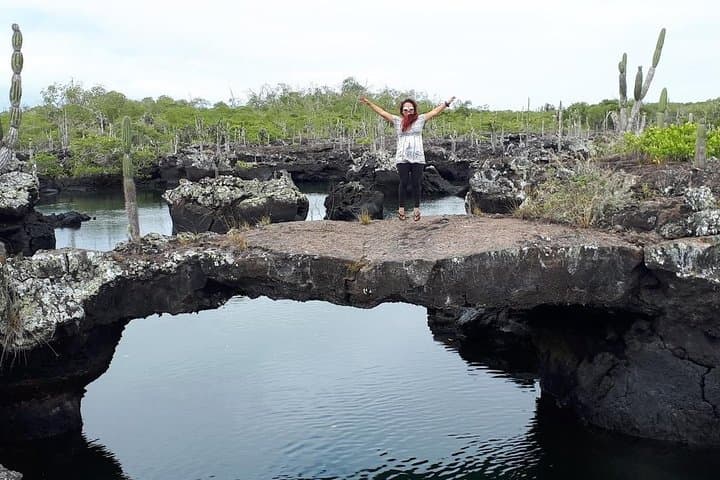
The trip threads together the three most-visited inhabited islands—Santa Cruz, Isabela and San Cristóbal—so travelers experience the Galapagos in full: Charles Darwin Research Station and the eastern highlands of Santa Cruz, Isabela’s Sierra Negra crater and lava tunnels, and San Cristóbal’s Kicker Rock and the lagoon at El Junco. Geology here is immediate; islands are young, built by submarine eruptions that left jagged lava arches and collapsed tunnels now eroded into sea-carved passageways. That same volcanic energy gives the islands microclimates—humid highland mist on volcanic ridges, sun-drenched lowland scrub where giant prickly pear cactus stands like an island-formed clock tower.
Culturally, the islands are a working community more than a postcard. Puerto Ayora and Puerto Villamil host fish markets, small hotels and guides whose families have fished and farmed these shores for generations. The human story overlaps Darwin’s legacy and a later history of whalers and settlers; today conservation shapes daily life, from tortoise breeding programs to strict park rules.
Practical guidance: expect a mix of short boat transfers and active days. The Sierra Negra hike is roughly five hours round trip—about 10 km with roughly 300–400 m of elevation gain from the trailhead—and mostly firm volcanic soil with some loose scoria. Boat rides between islands are several hours; luggage limits are enforced. The Galapagos National Park entrance fee and any local transit taxes must be paid on arrival by each traveler, so bring cash and confirm current rates. Snorkeling opportunities are frequent; basic swimming comfort is required. Guides supply local knowledge, bilingual commentary and snorkeling gear as listed, but personal masks and reef-safe sunscreen improve comfort and minimize impact.
Timing and packing matter. Mornings are best for seabird activity and calmer seas for snorkeling; afternoons pull in cooling breezes. Respect wildlife distances, stay on marked paths and avoid introducing any foreign seeds or organisms. With sensible footwear, layered rain protection, and an eye for punctual ferry departures, this eleven-day loop is both an education in island ecology and a compact, unforgettable wildlife immersion.
moderate.
11 days.
Suitable for travelers in regular physical condition who can handle multiple 3–6 hour active days including hikes and snorkel sessions.
Galapagos National Park entrance fees and some local taxes are typically paid on arrival; verify current amounts before travel and bring cash.
Wetsuits are not included and must be rented separately if desired; basic masks and fins are listed as included in the itinerary for specified activities.
Expect several guided walks and one longer hike at Sierra Negra of about 5 hours and 10 km round trip with moderate elevation gain; most other excursions involve short boardwalks or gentle trails.
Children are welcome but must be accompanied by adults; consider age and swimming ability for snorkeling and boat transfers.
Tours may be operated by multi-lingual guides; confirm preferred language at booking to ensure a bilingual guide if required.
Tipping is discretionary but customary; a common guideline is 10–15% overall split among guides and boat crew, adjusted to service level.
The islands shaped Charles Darwin’s observations on evolution and later served as a whaling and seafaring outpost; today conservation and research guide local economies.
Strict Galapagos National Park rules control access, visitor behavior and biosecurity; minimize plastic, use reef-safe sunscreen, and avoid transporting live plants or animals.
Perfect Destiny operates guided outdoor trips and adventures with an emphasis on safety, stewardship, and memorable experiences.
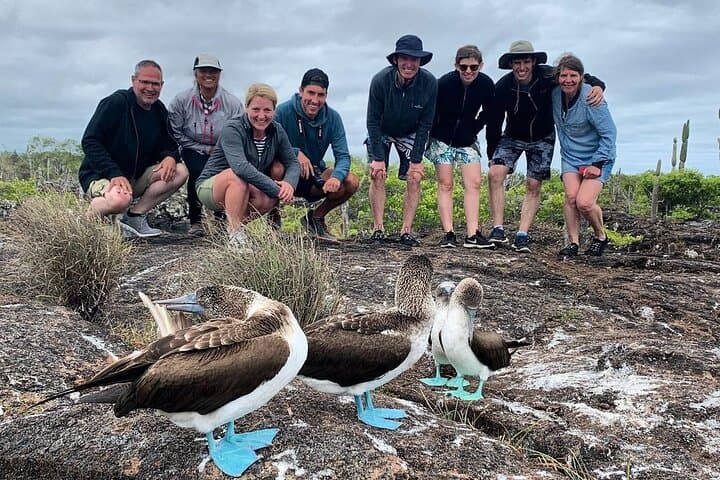
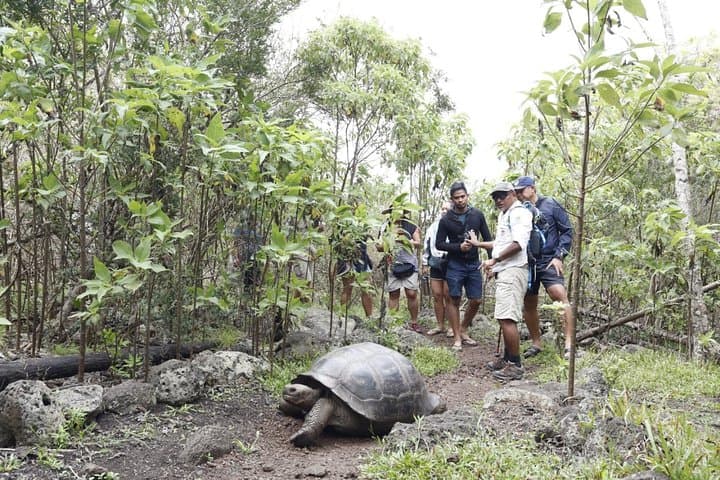
A salt-stiff breeze meets the ferry as it slips away from Puerto Ayora; pelicans wheel over the wake and a guide calls out the first sighting of a sea lion hauled out on black lava. Over the next eleven days the archipelago unfolds like a field guide come alive: volcanic calderas ringed with scarlet sesuvium, tidal channels where blue-footed boobies plunge for fish, and the steady, slow gait of giant tortoises in the highlands.
A salt-stiff breeze meets the ferry as it slips away from Puerto Ayora; pelicans wheel over the wake and a guide calls out the first sighting of a sea lion hauled out on black lava. Over the next eleven days the archipelago unfolds like a field guide come alive: volcanic calderas ringed with scarlet sesuvium, tidal channels where blue-footed boobies plunge for fish, and the steady, slow gait of giant tortoises in the highlands.
The trip threads together the three most-visited inhabited islands—Santa Cruz, Isabela and San Cristóbal—so travelers experience the Galapagos in full: Charles Darwin Research Station and the eastern highlands of Santa Cruz, Isabela’s Sierra Negra crater and lava tunnels, and San Cristóbal’s Kicker Rock and the lagoon at El Junco. Geology here is immediate; islands are young, built by submarine eruptions that left jagged lava arches and collapsed tunnels now eroded into sea-carved passageways. That same volcanic energy gives the islands microclimates—humid highland mist on volcanic ridges, sun-drenched lowland scrub where giant prickly pear cactus stands like an island-formed clock tower.
Culturally, the islands are a working community more than a postcard. Puerto Ayora and Puerto Villamil host fish markets, small hotels and guides whose families have fished and farmed these shores for generations. The human story overlaps Darwin’s legacy and a later history of whalers and settlers; today conservation shapes daily life, from tortoise breeding programs to strict park rules.
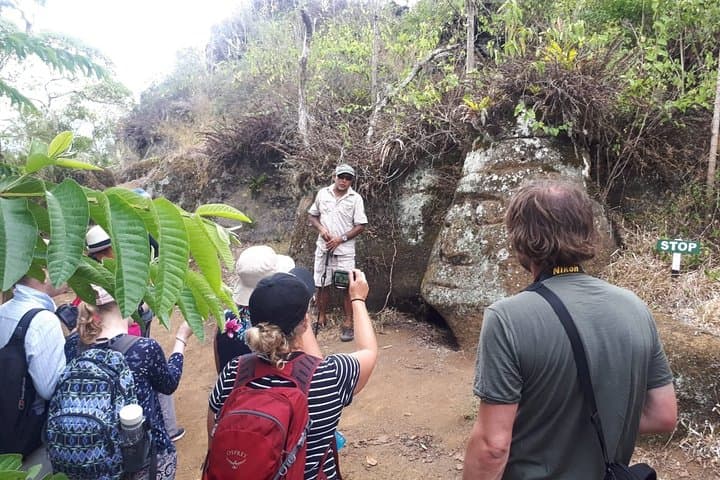
Practical guidance: expect a mix of short boat transfers and active days. The Sierra Negra hike is roughly five hours round trip—about 10 km with roughly 300–400 m of elevation gain from the trailhead—and mostly firm volcanic soil with some loose scoria. Boat rides between islands are several hours; luggage limits are enforced. The Galapagos National Park entrance fee and any local transit taxes must be paid on arrival by each traveler, so bring cash and confirm current rates. Snorkeling opportunities are frequent; basic swimming comfort is required. Guides supply local knowledge, bilingual commentary and snorkeling gear as listed, but personal masks and reef-safe sunscreen improve comfort and minimize impact.
Timing and packing matter. Mornings are best for seabird activity and calmer seas for snorkeling; afternoons pull in cooling breezes. Respect wildlife distances, stay on marked paths and avoid introducing any foreign seeds or organisms. With sensible footwear, layered rain protection, and an eye for punctual ferry departures, this eleven-day loop is both an education in island ecology and a compact, unforgettable wildlife immersion.