THE ADVENTURE COLLECTIVE® · Independent discovery and booking for outdoor travel

Trace ancient empires and turquoise coves on a private 10-day coastal circuit from Antalya to Troy. Expect classical ruins, thermal terraces, sea turtle beaches, and a steady rhythm of walking, swimming, and local dining.
Trace ancient empires and turquoise coves on a private 10-day coastal circuit from Antalya to Troy. Expect classical ruins, thermal terraces, sea turtle beaches, and a steady rhythm of walking, swimming, and local dining.
You step off the bus in Antalya as a wind from the Mediterranean pushes salt and a sliver of light through the hotel’s palm trees. Over the next ten days the coast keeps pulling you forward — beaches that hold turtle nests, ancient theaters carved into stone, and mountain passes where the Taurus range presses against the road. The tour moves at a steady pace: mornings in ruins, afternoons on coves and promenades, evenings in small towns where seafood grills and local conversation flood cafés.
Verified experiences and guided adventures in the surrounding area.
Operated by Paphlagonia Tour · Antalya, Antalya Province
You step off the bus in Antalya as a wind from the Mediterranean pushes salt and a sliver of light through the hotel’s palm trees. Over the next ten days the coast keeps pulling you forward — beaches that hold turtle nests, ancient theaters carved into stone, and mountain passes where the Taurus range presses against the road. The tour moves at a steady pace: mornings in ruins, afternoons on coves and promenades, evenings in small towns where seafood grills and local conversation flood cafés.
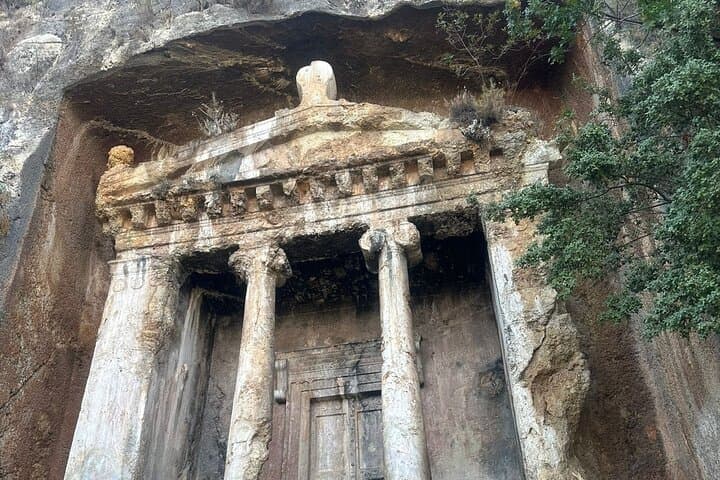
This corridor of Turkey stitches together Hellenistic cities, Roman engineering, and Lycian grave façades hewn directly into cliffs. Pamukkale’s white travertine terraces are mineral deposits given shape by thermal waters, not snow; the limestone benches form when calcium-rich springs cool and the minerals crystallize. Inland, Termessos clings to a 1000–1200 meter ridge of the Taurus, where defensive walls still read as deliberate choices of geology and strategy. Along the coast the Lycian League once knitted port towns like Patara and Xanthos into a rough federation that influenced early republican ideas about local governance.
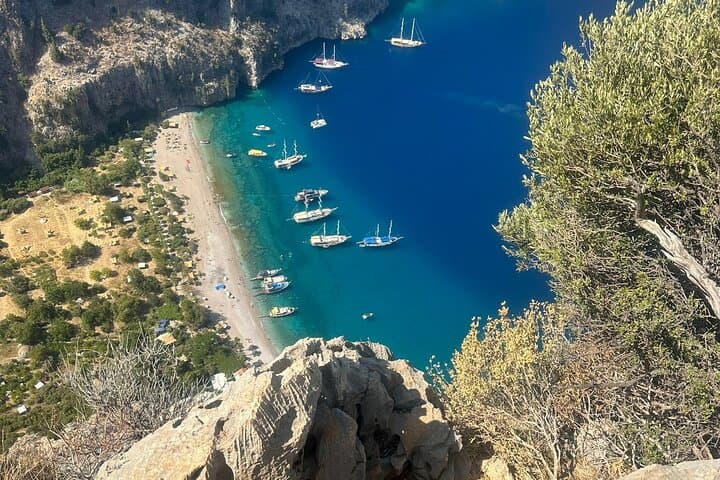
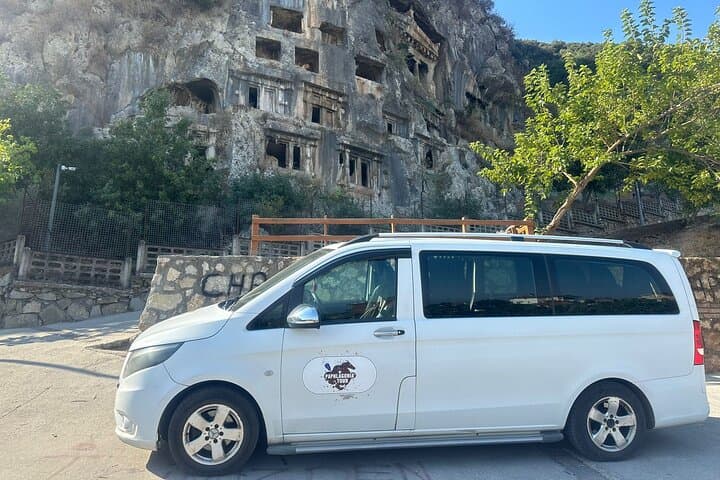
Cultural touchstones arrive often: Myra’s rock tombs and the church linked to St. Nicholas, the Mausoleum at Halicarnassus’ legacy of blended Greek-Persian architecture, and Ephesus’ marble avenues and the Library of Celsus. Ecology matters too — Iztuzu Beach hosts endangered loggerhead turtles, and Ölüdeniz’s lagoon is a rare sheltered bay formed by coastal morphologies and forested slopes.
Practicalities are straightforward but worth planning. The tour is private and runs four times a year, with pickup options from Antalya or Istanbul and an end point near Troy. Expect 10 days of mixed terrain: city walking, archaeological sites with uneven stone steps, short hikes (Çıralı/Chimaera night walk is steep and rocky), and light boat passages. Bring sturdy walking shoes with good grip for ruins and gorges, and a daypack for water, sunscreen, and documents. Museums and some thermal sites are included, but optional activities such as paragliding in Ölüdeniz incur extra cost.
Fitness: moderate — you will climb stairs, navigate cobbles, and stand during long site tours. Timing matters: spring and fall offer cooler walking weather and fewer crowds; summer is hot along the coast and peak for beach stops. Respect nesting seasons at protected beaches and follow guides on fragile archaeological surfaces. Pack travel copies of your passport, local currency (TRY), and a light waterproof layer for unexpected coastal squalls. With a bit of preparation this ten-day sweep of Mediterranean and Aegean coasts reads like a curriculum of ancient empires, seaside geology, and contemporary Turkish life.
moderate.
10 days.
Moderate general fitness; able to walk 2–4 miles per day on uneven terrain and climb short steep sections.
Moderate; the trip includes walking at archaeological sites, short hikes (e.g., Chimaera), and standing during guided visits — no technical climbing required.
Some accommodations include breakfast; museum tickets and certain admissions are included per itinerary, but many lunches and dinners are at your own expense or local restaurants.
Yes — pickup can be arranged from Antalya or Istanbul; confirm pickup point when booking as transfers are scheduled in advance.
No — paragliding is optional and booked locally; inform the operator in advance if you wish to add it.
The itinerary notes some admissions are included (museums, major sites); check booking details for exact inclusions as some local site fees may be additional.
Not recommended for those with significant mobility limitations; many sites have uneven stone surfaces and steps and the tour requires moderate walking.
This route crosses Lycian, Hellenistic, Roman, Byzantine, and Ottoman layers — cities like Xanthos and Ephesus were regional power centers and trade hubs across eras.
Beaches like Iztuzu are protected for turtle nesting and have seasonal access rules; follow guides to minimize impact on fragile travertine terraces and archaeological sites.
Paphlagonia Tour operates guided outdoor trips and adventures with an emphasis on safety, stewardship, and memorable experiences.
You step off the bus in Antalya as a wind from the Mediterranean pushes salt and a sliver of light through the hotel’s palm trees. Over the next ten days the coast keeps pulling you forward — beaches that hold turtle nests, ancient theaters carved into stone, and mountain passes where the Taurus range presses against the road. The tour moves at a steady pace: mornings in ruins, afternoons on coves and promenades, evenings in small towns where seafood grills and local conversation flood cafés.
You step off the bus in Antalya as a wind from the Mediterranean pushes salt and a sliver of light through the hotel’s palm trees. Over the next ten days the coast keeps pulling you forward — beaches that hold turtle nests, ancient theaters carved into stone, and mountain passes where the Taurus range presses against the road. The tour moves at a steady pace: mornings in ruins, afternoons on coves and promenades, evenings in small towns where seafood grills and local conversation flood cafés.
This corridor of Turkey stitches together Hellenistic cities, Roman engineering, and Lycian grave façades hewn directly into cliffs. Pamukkale’s white travertine terraces are mineral deposits given shape by thermal waters, not snow; the limestone benches form when calcium-rich springs cool and the minerals crystallize. Inland, Termessos clings to a 1000–1200 meter ridge of the Taurus, where defensive walls still read as deliberate choices of geology and strategy. Along the coast the Lycian League once knitted port towns like Patara and Xanthos into a rough federation that influenced early republican ideas about local governance.
Cultural touchstones arrive often: Myra’s rock tombs and the church linked to St. Nicholas, the Mausoleum at Halicarnassus’ legacy of blended Greek-Persian architecture, and Ephesus’ marble avenues and the Library of Celsus. Ecology matters too — Iztuzu Beach hosts endangered loggerhead turtles, and Ölüdeniz’s lagoon is a rare sheltered bay formed by coastal morphologies and forested slopes.
Practicalities are straightforward but worth planning. The tour is private and runs four times a year, with pickup options from Antalya or Istanbul and an end point near Troy. Expect 10 days of mixed terrain: city walking, archaeological sites with uneven stone steps, short hikes (Çıralı/Chimaera night walk is steep and rocky), and light boat passages. Bring sturdy walking shoes with good grip for ruins and gorges, and a daypack for water, sunscreen, and documents. Museums and some thermal sites are included, but optional activities such as paragliding in Ölüdeniz incur extra cost.
Fitness: moderate — you will climb stairs, navigate cobbles, and stand during long site tours. Timing matters: spring and fall offer cooler walking weather and fewer crowds; summer is hot along the coast and peak for beach stops. Respect nesting seasons at protected beaches and follow guides on fragile archaeological surfaces. Pack travel copies of your passport, local currency (TRY), and a light waterproof layer for unexpected coastal squalls. With a bit of preparation this ten-day sweep of Mediterranean and Aegean coasts reads like a curriculum of ancient empires, seaside geology, and contemporary Turkish life.