THE ADVENTURE COLLECTIVE® · Independent discovery and booking for outdoor travel

Trade fixed tours for a ten-day, private driver road trip through Sri Lanka’s coastlines, tea highlands, and cultural heartlands. Flexible routing, local drivers, and roughly 150 km per day let you build a personalized island itinerary with practical ease.
Trade fixed tours for a ten-day, private driver road trip through Sri Lanka’s coastlines, tea highlands, and cultural heartlands. Flexible routing, local drivers, and roughly 150 km per day let you build a personalized island itinerary with practical ease.
You pull away from Colombo before dawn, the city’s concrete and tuk-tuk clamor ebbing as paddy fields and coconut palms edge the highway. The driver, an English-speaking local who knows the island like a living map, negotiates coastal bends and tea-country hairpins while you watch the landscape change—mangroves give way to tea terraces, then to granite outcrops crowned by ancient fortresses. This is not a fixed itinerary so much as a flexible spine: ten days of road-time, roughly 150 km a day, and the freedom to choose where to linger.
Verified experiences and guided adventures in the surrounding area.
You pull away from Colombo before dawn, the city’s concrete and tuk-tuk clamor ebbing as paddy fields and coconut palms edge the highway. The driver, an English-speaking local who knows the island like a living map, negotiates coastal bends and tea-country hairpins while you watch the landscape change—mangroves give way to tea terraces, then to granite outcrops crowned by ancient fortresses. This is not a fixed itinerary so much as a flexible spine: ten days of road-time, roughly 150 km a day, and the freedom to choose where to linger.
Sri Lanka’s story is stitched into its routes. Geologically, the island is the exposed tip of the Indian subcontinent, its central highlands carved by time into ridges and deep valleys where colonial-era tea plantations still harvest by hand. Culturally, the road threads through Sinhala and Tamil regions, Buddhist temples, Portuguese and Dutch forts, and fishing hamlets that keep the coast’s rhythms. Each stop carries a different pace—Galle’s Dutch ramparts and colonial lanes feel studied and slow; the rock fortress of Sigiriya confronts you with ninth-century hydraulic engineering; Yala’s scrub challenges you to read spoor and hope for a leopard sighting.
The practicality of a private vehicle is the point: the driver is guide, logistician, and cultural broker, able to recommend morning markets, temple-visiting etiquette, or the best seaside spot for a Sri Lankan crab curry. A typical day balances two to four hours of driving with walks, viewpoints, and local meals; longer drives link regions—for example, Colombo to Kandy (approx. 3–4 hours), Kandy to Ella (train options but road about 5–6 hours through hill country).
Plan for seasons: the island has two monsoons that split the best windows depending on north or south coast travel. Respect temple dress codes, carry cash for smaller shops, and buy a local SIM for navigation and last-minute changes. Hydration and sun protection are constant companions here; roads are safe in daylight but more unpredictable at night.
Sustainability matters—ask about eco-friendly lodging, avoid single-use plastics, and keep wildlife viewing responsible in national parks. With a private driver you can craft a Sri Lanka trip that moves at your rhythm, from sunrise surf sessions to slow tea tastings at dusk, making a ten-day loop feel like a personal discovery rather than a checklist.
moderate.
10 days.
Moderate—regular comfort with several hours of walking and getting in/out of the vehicle; not strenuous but expect uneven paths at heritage and nature sites.
Yes — the private-driver format is designed for flexibility; discuss route changes and timing with your driver, who can advise on travel times and attractions.
Tipping is customary; amounts vary but a modest daily tip or a larger sum at the end is appreciated for good service.
Daytime drives are generally safe; plan realistic distances (around 150 km/day as suggested) and avoid nighttime travel on rural roads.
Most drivers provide basic local insight and practical recommendations; for detailed historical or wildlife interpretation, consider hiring local specialists for specific sites.
Sri Lanka has two monsoon patterns; coastal and hill regions receive rain at different times—check season-specific advice before planning which coast to prioritize.
Yes — famous scenic train routes (e.g., Kandy to Ella) offer a memorable alternative; your driver can drop you at stations and meet you later if desired.
The island’s colonial era—Portuguese, Dutch, then British—influenced coastal forts and tea plantation infrastructure; inland, ancient kingdoms shaped rock temples and irrigation systems.
Tourism pressure affects parks and beaches; choose licensed guides, avoid feeding wildlife, and opt for lodges with clear waste-reduction practices.
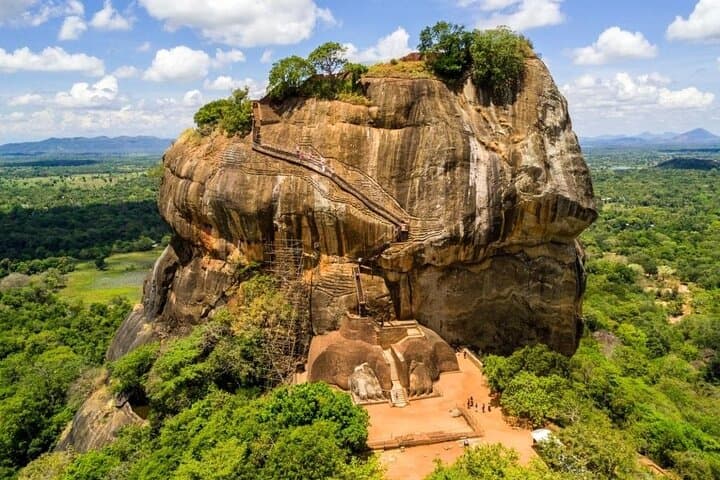
You pull away from Colombo before dawn, the city’s concrete and tuk-tuk clamor ebbing as paddy fields and coconut palms edge the highway. The driver, an English-speaking local who knows the island like a living map, negotiates coastal bends and tea-country hairpins while you watch the landscape change—mangroves give way to tea terraces, then to granite outcrops crowned by ancient fortresses. This is not a fixed itinerary so much as a flexible spine: ten days of road-time, roughly 150 km a day, and the freedom to choose where to linger.
You pull away from Colombo before dawn, the city’s concrete and tuk-tuk clamor ebbing as paddy fields and coconut palms edge the highway. The driver, an English-speaking local who knows the island like a living map, negotiates coastal bends and tea-country hairpins while you watch the landscape change—mangroves give way to tea terraces, then to granite outcrops crowned by ancient fortresses. This is not a fixed itinerary so much as a flexible spine: ten days of road-time, roughly 150 km a day, and the freedom to choose where to linger.
Sri Lanka’s story is stitched into its routes. Geologically, the island is the exposed tip of the Indian subcontinent, its central highlands carved by time into ridges and deep valleys where colonial-era tea plantations still harvest by hand. Culturally, the road threads through Sinhala and Tamil regions, Buddhist temples, Portuguese and Dutch forts, and fishing hamlets that keep the coast’s rhythms. Each stop carries a different pace—Galle’s Dutch ramparts and colonial lanes feel studied and slow; the rock fortress of Sigiriya confronts you with ninth-century hydraulic engineering; Yala’s scrub challenges you to read spoor and hope for a leopard sighting.
The practicality of a private vehicle is the point: the driver is guide, logistician, and cultural broker, able to recommend morning markets, temple-visiting etiquette, or the best seaside spot for a Sri Lankan crab curry. A typical day balances two to four hours of driving with walks, viewpoints, and local meals; longer drives link regions—for example, Colombo to Kandy (approx. 3–4 hours), Kandy to Ella (train options but road about 5–6 hours through hill country).
Plan for seasons: the island has two monsoons that split the best windows depending on north or south coast travel. Respect temple dress codes, carry cash for smaller shops, and buy a local SIM for navigation and last-minute changes. Hydration and sun protection are constant companions here; roads are safe in daylight but more unpredictable at night.
Sustainability matters—ask about eco-friendly lodging, avoid single-use plastics, and keep wildlife viewing responsible in national parks. With a private driver you can craft a Sri Lanka trip that moves at your rhythm, from sunrise surf sessions to slow tea tastings at dusk, making a ten-day loop feel like a personal discovery rather than a checklist.