THE ADVENTURE COLLECTIVE® · Independent discovery and booking for outdoor travel

A private 10-day loop from Tokyo to Hiroshima that pairs Japan’s headline sights with practical logistics: private transport, English-speaking driver, and time to explore Mount Fuji, Kyoto, Osaka and more. Read on for on-the-ground tips to make the itinerary smooth and meaningful.
A private 10-day loop from Tokyo to Hiroshima that pairs Japan’s headline sights with practical logistics: private transport, English-speaking driver, and time to explore Mount Fuji, Kyoto, Osaka and more. Read on for on-the-ground tips to make the itinerary smooth and meaningful.
Arrive in Tokyo and the city opens like a film: neon pulsing, cedar-lined temple approaches quieting the noise, and an English-speaking driver waiting to fold the map of Japan into an effortless route. This private 10-day loop moves at a deliberate pace—Tokyo’s frenetic streets, Mount Fuji’s patient silhouette, the steaming valleys of Hakone, alpine Nagano’s snow monkeys, the lacquered shrines of Nikko, Osaka’s electric streets, Kyoto’s torii corridors, the gentle deer of Nara, and the reflective space of Hiroshima.
Verified experiences and guided adventures in the surrounding area.
Operated by Milkyway Tours · Tokyo, Tokyo
Arrive in Tokyo and the city opens like a film: neon pulsing, cedar-lined temple approaches quieting the noise, and an English-speaking driver waiting to fold the map of Japan into an effortless route. This private 10-day loop moves at a deliberate pace—Tokyo’s frenetic streets, Mount Fuji’s patient silhouette, the steaming valleys of Hakone, alpine Nagano’s snow monkeys, the lacquered shrines of Nikko, Osaka’s electric streets, Kyoto’s torii corridors, the gentle deer of Nara, and the reflective space of Hiroshima.
History sits everywhere on this itinerary. Tokyo’s Asakusa preserves Edo-era ritual beside ultra-modern towers; Kyoto’s temples carry courtly aesthetics from the Heian period; Hiroshima’s Peace Memorial Park anchors the twentieth century’s most painful lesson. Geology shapes the travelogue too: Mount Fuji’s volcanic cone feeds the crystal-sprung ponds at Oshino Hakkai and made Lake Ashinoko’s crater-basin a stage for Hakone’s steaming vents. Cultural cues—purification at shrine basins, removing shoes in tatami rooms, and ritual bows—thread each stop.
The private transport and English-speaking driver are the backbone: they stitch long distances into comfortable daytime segments, leaving mornings and late afternoons for wandering. Expect walking on varied surfaces—city pavements, shrine gravel, wooden temple platforms, and uneven mountain stairs—so shoes with good grip matter. Weather shifts quickly: Fuji can hide behind a spring or summer haze and appear with crisp clarity in autumn and winter.
Local insights sharpen the experience: arrive early at Chureito Pagoda or Lake Kawaguchi for that classic Fuji reflection with fewer people; take a side-street izakaya in Osaka’s back alleys to taste kushikatsu; and linger at a Shinto shrine to hear the wind move through cedar groves. Respectful behavior—quiet in temple precincts, modest photography near worshippers—keeps access open.
Practically, the tour is fully customizable. Confirm hotel pickup details in advance; bring a slim daypack, a Japan Rail Pass if adding independent rail legs, and cash—smaller shops often prefer it. Pace the trip: ten days covers extensive ground, so prioritize a few deep experiences rather than trying to see every stop on the list. Hydrate, carry layers for sudden mountain chills, and use the onboard Wi‑Fi to check local shrine hours, which can vary. With logistics handled, the route becomes less about transit and more about the small, surprising encounters that turn a checklist into a trip worth remembering.
moderate.
10 days.
Moderate fitness—comfortable with multiple daily walking sessions, stairs, and occasional short hikes
Yes—private transport and an English-speaking driver simplify navigation, and the itinerary covers major highlights with options to customize based on interests and pacing.
Many sites have modest admission fees which are typically paid on arrival; confirm with the operator which specific admissions are included.
Yes—the tour is fully customizable; inform the operator ahead of time so they can recommend appropriate restaurants and meals.
Expect multiple short to moderate walks daily—temple precincts, market streets, and viewpoints—so comfortable footwear is recommended.
Pickup excludes airports and seaports per the operator note; arrange separate airport transfers or meet at a designated hotel location.
Many aspects are wheelchair accessible (city streets, some temple grounds), but some temples, stairs and mountain viewpoints may be difficult; discuss needs with the operator in advance.
The route links periods from Heian-era Kyoto court culture to postwar Hiroshima’s memorial landscape, offering a condensed view of Japan’s long and varied history.
Visitors should stick to marked paths at natural sites, avoid feeding wildlife, and use provided waste bins—many areas practice strict litter control to protect fragile mountain water sources.
Milkyway Tours operates guided outdoor trips and adventures with an emphasis on safety, stewardship, and memorable experiences.
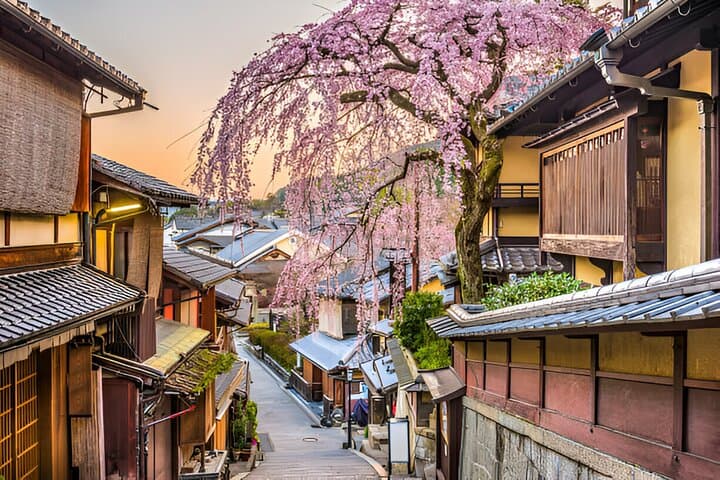
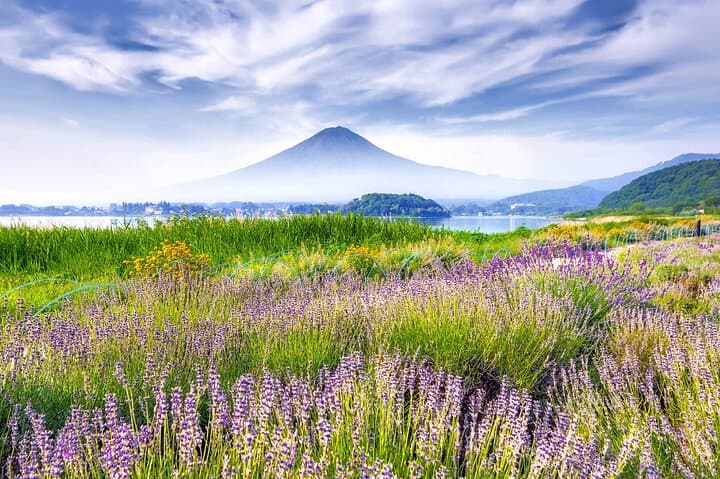
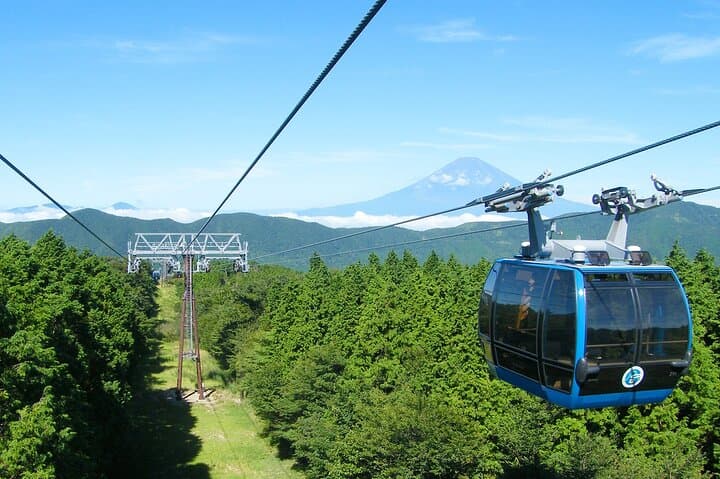
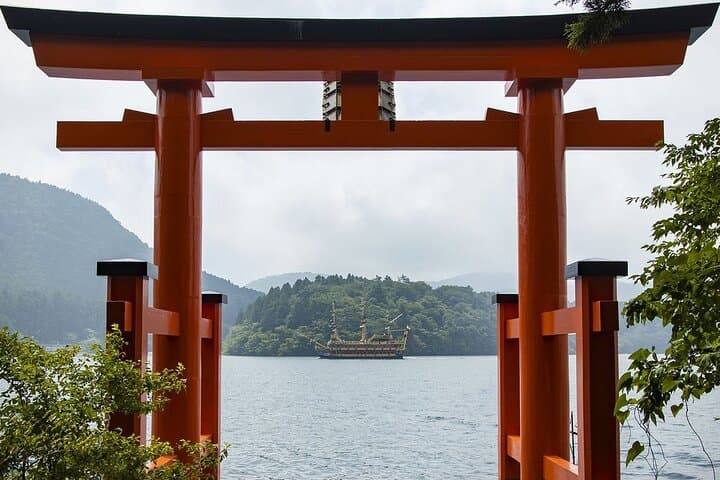
Arrive in Tokyo and the city opens like a film: neon pulsing, cedar-lined temple approaches quieting the noise, and an English-speaking driver waiting to fold the map of Japan into an effortless route. This private 10-day loop moves at a deliberate pace—Tokyo’s frenetic streets, Mount Fuji’s patient silhouette, the steaming valleys of Hakone, alpine Nagano’s snow monkeys, the lacquered shrines of Nikko, Osaka’s electric streets, Kyoto’s torii corridors, the gentle deer of Nara, and the reflective space of Hiroshima.
Arrive in Tokyo and the city opens like a film: neon pulsing, cedar-lined temple approaches quieting the noise, and an English-speaking driver waiting to fold the map of Japan into an effortless route. This private 10-day loop moves at a deliberate pace—Tokyo’s frenetic streets, Mount Fuji’s patient silhouette, the steaming valleys of Hakone, alpine Nagano’s snow monkeys, the lacquered shrines of Nikko, Osaka’s electric streets, Kyoto’s torii corridors, the gentle deer of Nara, and the reflective space of Hiroshima.
History sits everywhere on this itinerary. Tokyo’s Asakusa preserves Edo-era ritual beside ultra-modern towers; Kyoto’s temples carry courtly aesthetics from the Heian period; Hiroshima’s Peace Memorial Park anchors the twentieth century’s most painful lesson. Geology shapes the travelogue too: Mount Fuji’s volcanic cone feeds the crystal-sprung ponds at Oshino Hakkai and made Lake Ashinoko’s crater-basin a stage for Hakone’s steaming vents. Cultural cues—purification at shrine basins, removing shoes in tatami rooms, and ritual bows—thread each stop.
The private transport and English-speaking driver are the backbone: they stitch long distances into comfortable daytime segments, leaving mornings and late afternoons for wandering. Expect walking on varied surfaces—city pavements, shrine gravel, wooden temple platforms, and uneven mountain stairs—so shoes with good grip matter. Weather shifts quickly: Fuji can hide behind a spring or summer haze and appear with crisp clarity in autumn and winter.
Local insights sharpen the experience: arrive early at Chureito Pagoda or Lake Kawaguchi for that classic Fuji reflection with fewer people; take a side-street izakaya in Osaka’s back alleys to taste kushikatsu; and linger at a Shinto shrine to hear the wind move through cedar groves. Respectful behavior—quiet in temple precincts, modest photography near worshippers—keeps access open.
Practically, the tour is fully customizable. Confirm hotel pickup details in advance; bring a slim daypack, a Japan Rail Pass if adding independent rail legs, and cash—smaller shops often prefer it. Pace the trip: ten days covers extensive ground, so prioritize a few deep experiences rather than trying to see every stop on the list. Hydrate, carry layers for sudden mountain chills, and use the onboard Wi‑Fi to check local shrine hours, which can vary. With logistics handled, the route becomes less about transit and more about the small, surprising encounters that turn a checklist into a trip worth remembering.