About this landmark
Spectacular Scenery at Drakensberg, Lesotho
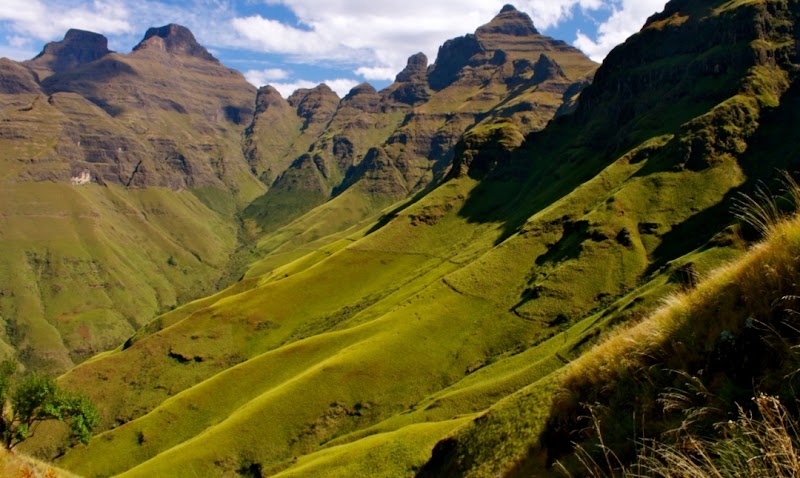
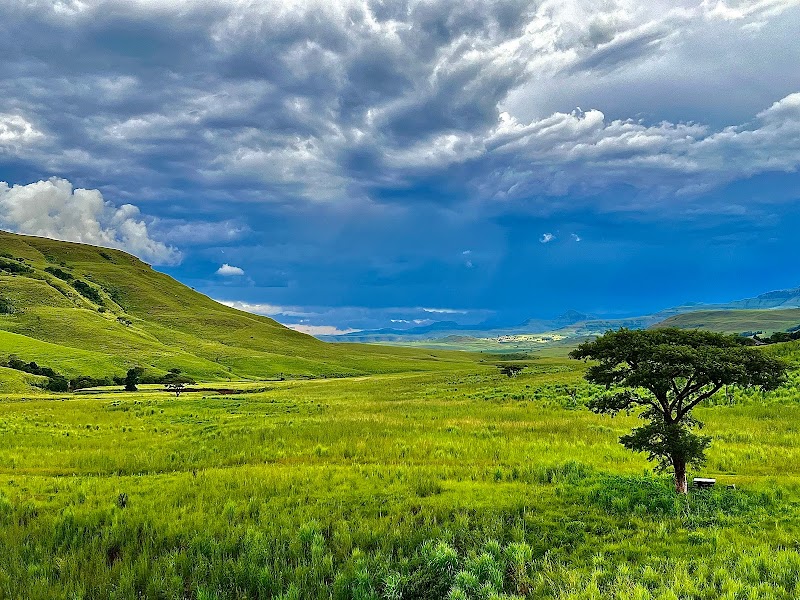
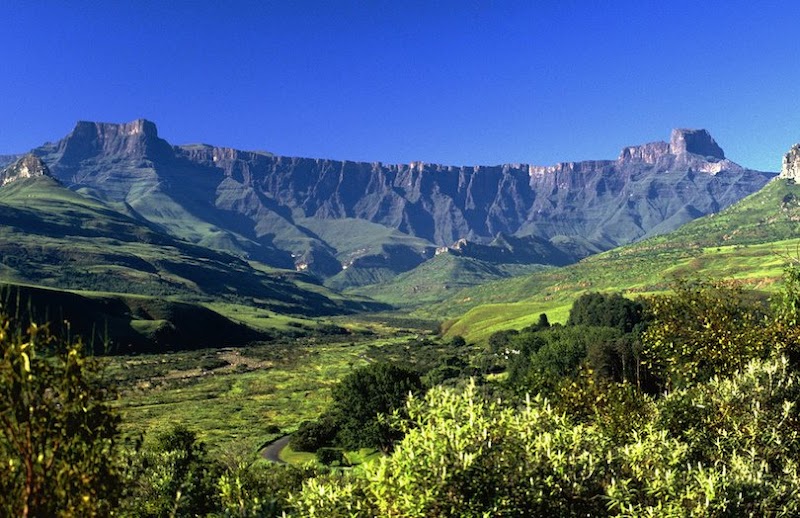
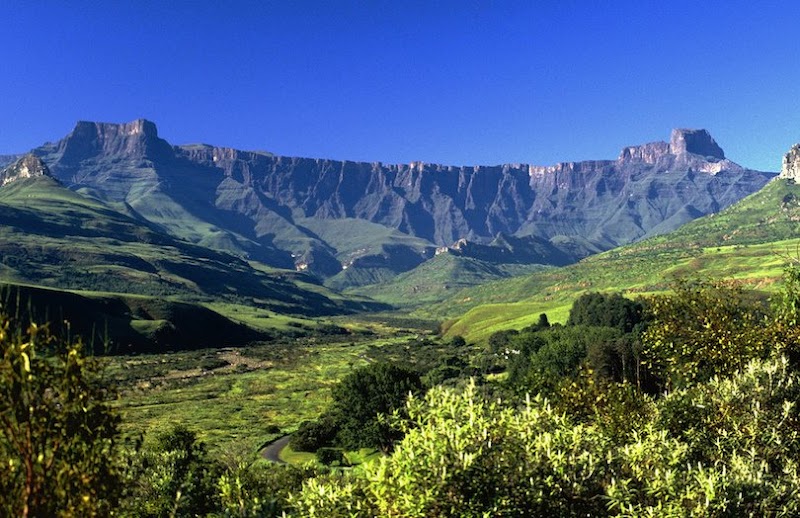
The Drakensberg mountain range along the Lesotho border offers one of southern Africa’s most impressive natural landscapes. Towering sandstone cliffs, steep valleys, and abundant waterfalls shape this region’s striking character. The range’s most famous feature, the Amphitheatre, rises dramatically above the surrounding terrain, making it a focal point for visitors in search of breathtaking views. This area hosts the world’s second tallest waterfall, Tugela Falls, cascading down the cliff face in a beautiful display of nature’s force. The rugged rock formations provide an impressive backdrop for the diverse flora and fauna, including rare birds and plants adapted to this high-altitude environment.
Drakensberg’s history is deeply connected to the San people, whose ancient rock art adorns many caves found throughout the mountains. These paintings offer insight into the cultural heritage of early inhabitants and enhance the area’s historical value. Protected partly by Royal Natal National Park, this region balances ecological preservation with recreational activities, making it a standout outdoor destination.
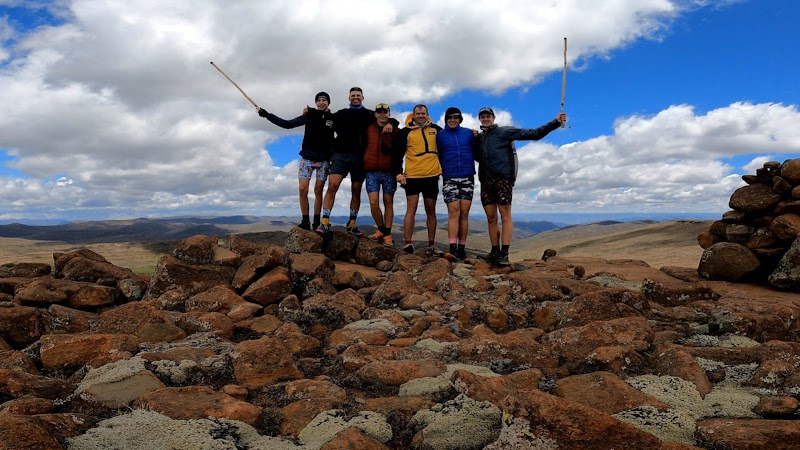
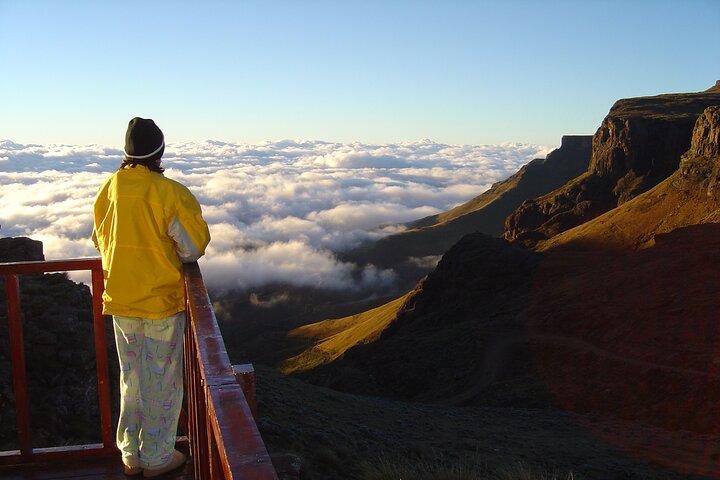
Visitors frequently praise the fresh mountain air, spectacular sunrises and sunsets, and immense sense of calm that fills the landscape. While the terrain can be challenging, especially with tricky or poorly marked trails, those who reach key points like Tugela Falls or Cathedral Peak find the effort deeply rewarding. The combination of dramatic geology, cultural history, and rich biodiversity makes Drakensberg a unique and captivating spot worthy of any traveler’s itinerary in Lesotho.
Adventure Guide to Drakensberg
1. Hiking the Amphitheatre
- What Makes It Special: Famous for commanding views of Tugela Falls, this route includes steep cliffs and diverse plant life.
- Key Features: The dramatic cliffline, multiple waterfalls, and the rich ecosystem of the Alpine environment.
- Local Insights: Known locally as "uKhahlamba" or “Barrier of Spears,” the Amphitheatre is a cultural and geological highlight.
- Visitor Tips:
- Best visited from late spring to early autumn when weather conditions are mild.
- Wear sturdy hiking boots and bring plenty of water and a camera.
- Reachable by a 4-hour drive from Durban with some off-road sections recommended for SUVs.
2. Royal Natal National Park Trails
- What Makes It Special: Offers safe and maintained trails with access to waterfalls like Mahai and relaxing rock pools.
- Key Features: Panoramic mountain views and the preservation of rare San rock art.
- Local Insights: Established in 1916, the park is one of the oldest in the region and plays a key role in conservation.
- Visitor Tips:
- Visit year-round; spring provides lush vegetation and fauna activity.
- Bring picnic supplies and sunscreen.
- About a 3-hour drive from Johannesburg with well-marked entrances.
3. Climbing Cathedral Peak
- What Makes It Special: Renowned for challenging climbs and opportunities to see rare bird species.
- Key Features: Jagged rock formations and altitude-rich hiking routes.
- Local Insights: Offers insight into regional biodiversity alongside cultural tours with local guides.
- Visitor Tips:
- Avoid climbing during the rainy season.
- Pack climbing equipment, GPS, and layered clothing for temperature changes.
- Located roughly 3 hours by road from Pietermaritzburg.
Whether for the thrill of rugged hikes or the quiet awe of mountain vistas, the Drakensberg in Lesotho invites visitors to witness one of Africa’s most breathtaking mountain landscapes.
Visitor Tips
- Best Times:Spring and Fall for favorable conditions and optimal lighting.
- What to Bring:Plenty of water, sun protection, a camera, and respectful Leave-No-Trace mindset.