About this landmark
Phou Hin Poun National Bio-Diversity Conservation Area, Khammouane Province
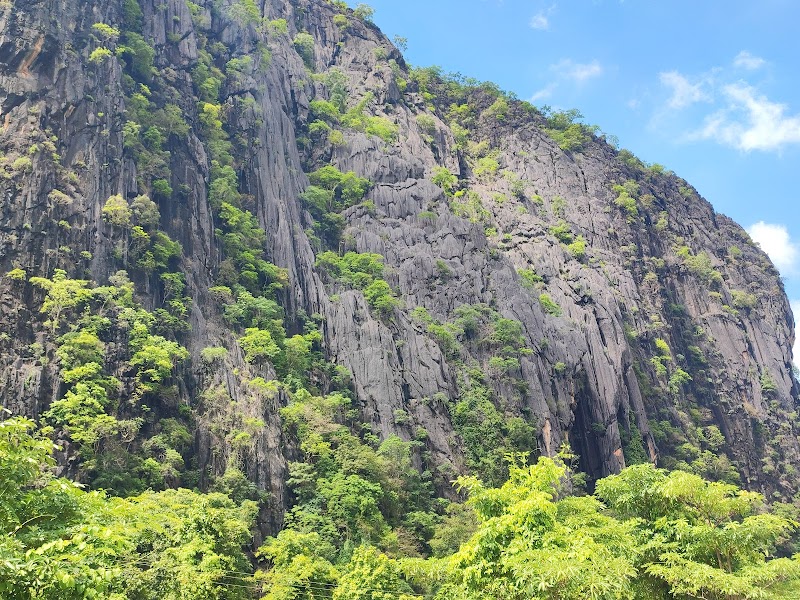
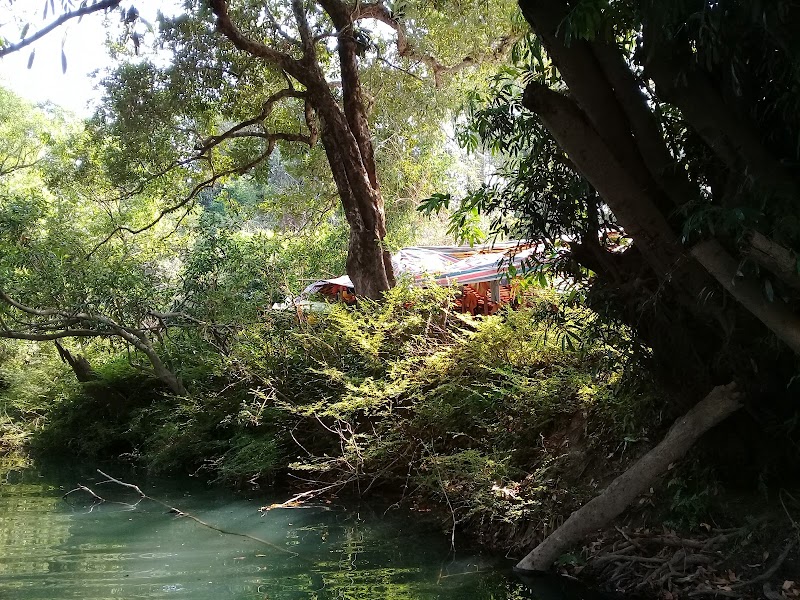
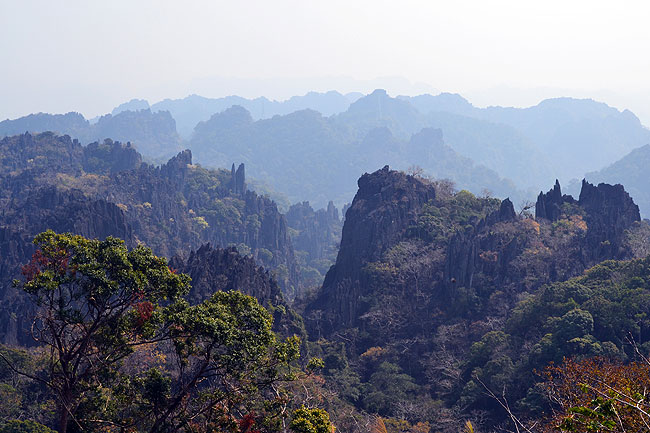
Discover the breathtaking landscape of Phou Hin Poun National Bio-Diversity Conservation Area in the heart of Khammouane Province, Laos. Celebrated for its remarkable karst limestone formations, this area is a haven of unique geology and diverse ecosystems. The jagged peaks and deep valleys create an enchanting and rugged backdrop, ideal for explorers yearning for an unforgettable adventure. Home to rare plant species and diverse wildlife, including langurs and clouded leopards, it is a biological wonderland. The Conservation Area is a part of the renowned Annamite Range, rich in history and cultural significance for the local communities. Established to preserve its unmatched natural beauty and biodiversity, the area draws nature enthusiasts and thrill-seekers alike. Whether you engage in a heart-pounding trek through the challenging terrain or marvel at the rare birds overhead, Phou Hin Poun offers a world of natural wonders waiting to be explored.
Adventure Guide
Adventure Guide to Phou Hin Poun National Bio-Diversity Conservation Area
1. Tham Lot Kong Lo Cave
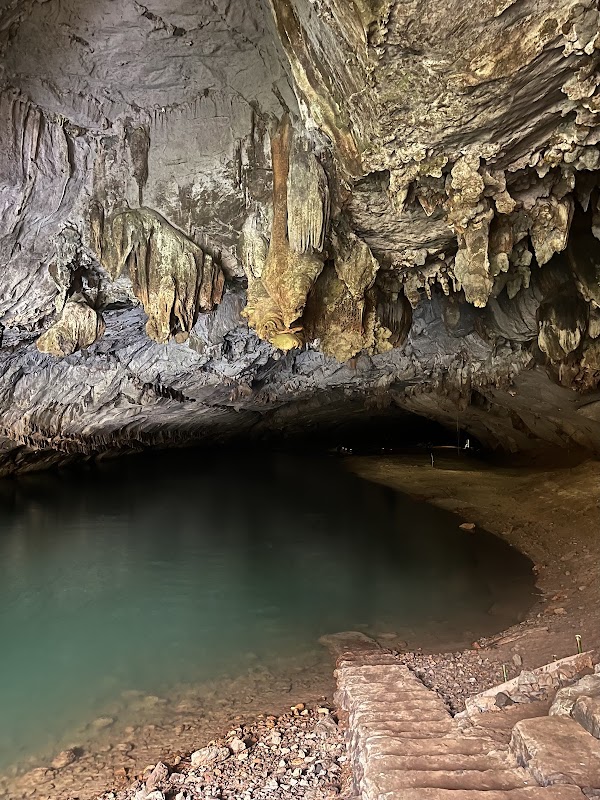
- Special Feature: Spanning over seven kilometers, this spectacular cave river is a must-visit.
- Key Features: Traverse the dark, winding passages via boat and witness awe-inspiring rock formations.
- Local Insights: This cave is believed to have spiritual significance among locals.
- Visitor Tips: The best time to visit is during the dry season (November to April). Bring water, sunscreen, and a flashlight. A guided tour is recommended.
2. Hiking Trails
- Special Feature: Enjoy hikes with panoramic views of the dramatic karst limestone peaks and lush valleys.
- Key Features: Trails vary in difficulty, offering something for everyone.
- Local Insights: Local guides can provide insights into the rich biodiversity and traditional uses of native plants.
- Visitor Tips: Wear sturdy hiking shoes and bring plenty of water. The early morning is ideal for cooler temperatures and birdwatching opportunities.
3. Wildlife Observation
- Special Feature: Spot diverse species, from elusive langurs to vibrant birdlife, in their natural habitat.
- Key Features: Birdwatching tours are particularly popular.
- Local Insights: Respect wildlife by maintaining a safe distance and minimizing noise.
- Visitor Tips: A pair of binoculars enhances the experience, and early morning or late afternoon are the best times for wildlife activity.
Visitor Tips
- Best Times:Dry Season (November to April) for favorable conditions and optimal lighting.
- What to Bring:Plenty of water, sun protection, a camera, and respectful Leave-No-Trace mindset.