THE ADVENTURE COLLECTIVE® · Independent discovery and booking for outdoor travel

Pedal between lotus-studded lakes, sacred monkey forests and colonial-era temples on a two-day homestay loop through Champhone District. This active overnight tour pairs cycling and village cultural immersion with simple homestay accommodation.
Pedal between lotus-studded lakes, sacred monkey forests and colonial-era temples on a two-day homestay loop through Champhone District. This active overnight tour pairs cycling and village cultural immersion with simple homestay accommodation.
You start before dawn, when mist lifts from Soui Lake and the first rice tendrils are silver with dew. A narrow road threads between paddy fields and low limestone outcrops as local farmers set off on their scooters; monkeys watch from the sacred forest canopy and fishing boats cut mirror-smooth water in the distance.
Verified experiences and guided adventures in the surrounding area.
Operated by Marvelaos Travel and Tour · Champhone, Savannakhet Province
You start before dawn, when mist lifts from Soui Lake and the first rice tendrils are silver with dew. A narrow road threads between paddy fields and low limestone outcrops as local farmers set off on their scooters; monkeys watch from the sacred forest canopy and fishing boats cut mirror-smooth water in the distance.
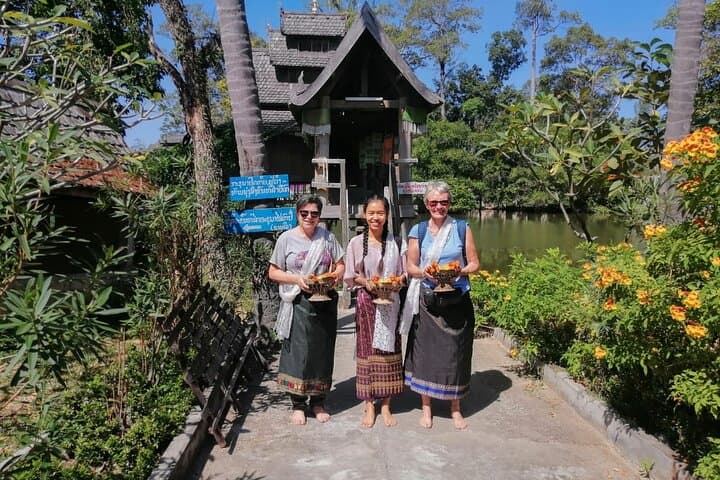
The Xe-Champhone loop stitches together Champhone District’s markers: Wat Phoukor’s small temple complex, the French-influenced Taleo Old Temple scarred by wartime bombing, and the wooden manuscript repository at Nonglamchan. Geologically the route skirts low karst and broad alluvial plains that feed irrigation reservoirs such as Soui; culturally it’s a lived landscape of rice cycles, float-house eateries and homestead hospitality.
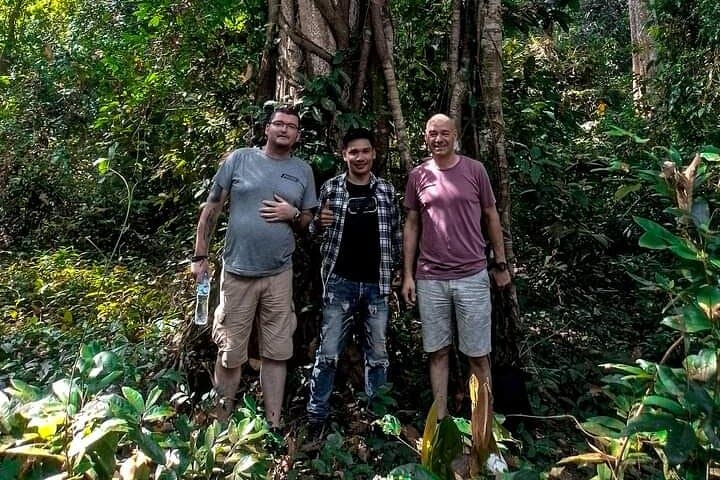
On the ground expect two days of mixed-surface riding and walking: roughly 40–60 km total with modest rolling hills and occasional unpaved sections (estimate 300–600 m cumulative gain). Villages are traditional; homestay accommodation is basic but welcoming. Wildlife sightings commonly include rhesus macaques in Ban Dongmouang and waterbirds around the lake.
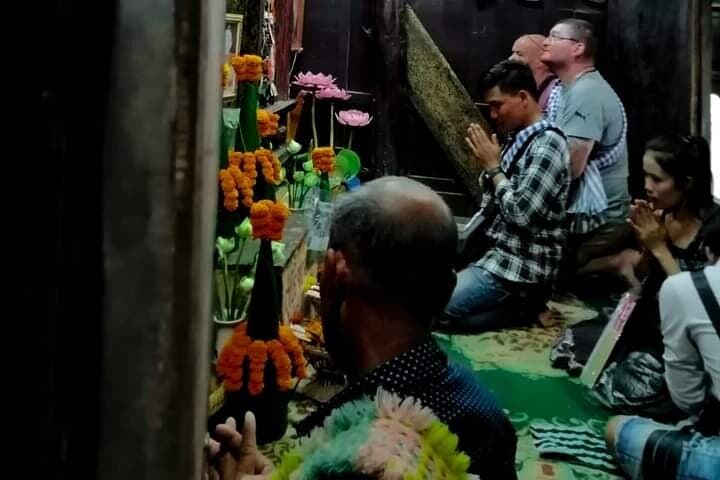
Practical edge: travel light, pack a reliable headlamp and insect repellent, and bring photocopies of your passport—the operator requires it. The best window is the dry season (November–February) when roads are firm and heat is moderated. Respect local temple etiquette (cover shoulders and knees) and ask before photographing people. Hydrate frequently—bottled water is included—but treat surface water as unsafe without purification. With stamina, curiosity and basic bike-handling skills, this loop delivers a close, tactile encounter with rural Laos—equal parts landscape, history and village life.
challenging.
2 days (approx. 48 hours).
Participants should have high aerobic fitness and be comfortable riding 20–40 km per day on mixed surfaces.
You should be comfortable riding 20–40 km per day on mixed surfaces; guides expect good endurance rather than technical mountain-biking skills.
Yes—local homestay accommodation is provided as part of the overnight tour and is simple but comfortable.
Breakfast and two lunches are included; homestays typically provide a home-cooked dinner—advise dietary requirements when booking.
A current valid passport is required on tour day and must be presented for booking/identification purposes.
Taleo Old Temple displays French-influenced construction and survived bombing during the Vietnam-era secret war, making it a rare local historic site.
Soui Lake supports local irrigation and fisheries—avoid single-use plastics and follow guide instructions to reduce disturbance to nesting birds and lake habitats.
Marvelaos Travel and Tour operates guided outdoor trips and adventures with an emphasis on safety, stewardship, and memorable experiences.
You start before dawn, when mist lifts from Soui Lake and the first rice tendrils are silver with dew. A narrow road threads between paddy fields and low limestone outcrops as local farmers set off on their scooters; monkeys watch from the sacred forest canopy and fishing boats cut mirror-smooth water in the distance.
You start before dawn, when mist lifts from Soui Lake and the first rice tendrils are silver with dew. A narrow road threads between paddy fields and low limestone outcrops as local farmers set off on their scooters; monkeys watch from the sacred forest canopy and fishing boats cut mirror-smooth water in the distance.
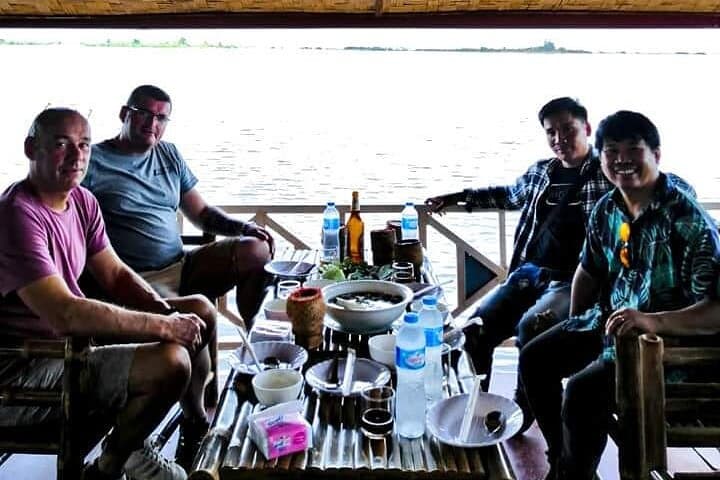
The Xe-Champhone loop stitches together Champhone District’s markers: Wat Phoukor’s small temple complex, the French-influenced Taleo Old Temple scarred by wartime bombing, and the wooden manuscript repository at Nonglamchan. Geologically the route skirts low karst and broad alluvial plains that feed irrigation reservoirs such as Soui; culturally it’s a lived landscape of rice cycles, float-house eateries and homestead hospitality.
On the ground expect two days of mixed-surface riding and walking: roughly 40–60 km total with modest rolling hills and occasional unpaved sections (estimate 300–600 m cumulative gain). Villages are traditional; homestay accommodation is basic but welcoming. Wildlife sightings commonly include rhesus macaques in Ban Dongmouang and waterbirds around the lake.
Practical edge: travel light, pack a reliable headlamp and insect repellent, and bring photocopies of your passport—the operator requires it. The best window is the dry season (November–February) when roads are firm and heat is moderated. Respect local temple etiquette (cover shoulders and knees) and ask before photographing people. Hydrate frequently—bottled water is included—but treat surface water as unsafe without purification. With stamina, curiosity and basic bike-handling skills, this loop delivers a close, tactile encounter with rural Laos—equal parts landscape, history and village life.