
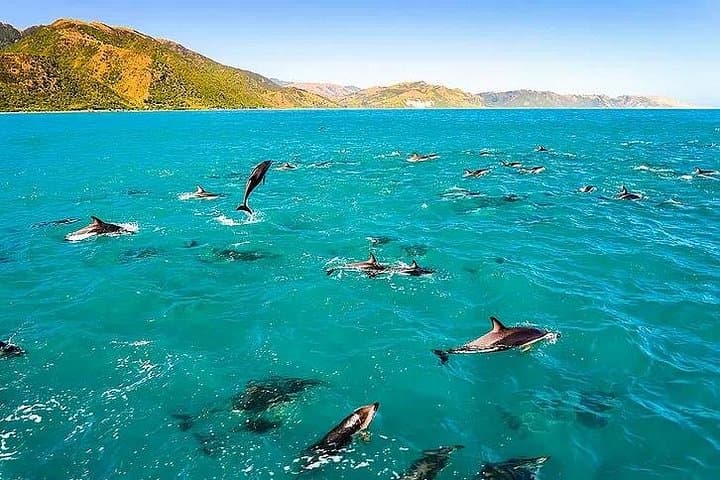
What the day feels like
You feel the Zodiac before you see it—an impatient hull that hums against the Pacific, a tight band of rubber and reinforced ribs that seems to slice the horizon with purpose. On a calm Kona morning, the boat slips out of Honokohau Harbor and the coastline of Kailua-Kona unspools: iron-black lava cliffs, low coconut palms, and the bright, clean cut of the sea. The captain nudges the throttle and the shore falls away; the bay ahead—the dome-shaped bowl of Kealakekua—is a green-blue jewel framed by cliffs. Somewhere inside it sits the white obelisk of the Captain Cook Monument, a marker for a moment in history and the seam where modern visitors meet an older Hawaiian world.
This is not a languid party boat. The tour’s fast, Navy-SEAL–style Zodiac RIB promises access—into sea caves, lava tubes, and intimate coves that larger vessels can’t touch. That speed shortens the run, widens the range for wildlife encounters, and gives you more minutes with the water. When the engine cuts and the Zodiac coasts into the whale-smooth basin, the sea does what it has always done here: it opens. Reef wings and trumpetfish dart below, while snorkelers peel back the surface and find gardens of hard corals, wrasses, and the effortless choreography of reef life.
Kealakekua Bay is both a natural and cultural landmark. Geologically, it’s the product of piling lava flows and coastal erosion; where ancient lava met the sea, cliffs rose and pockets formed—some collapsed into caves and tubes worn wider by wave action over centuries. Historically, the bay is marked most visibly by the Captain Cook Monument, built to mark where the British explorer was killed in 1779. But beneath that single historical fact is a longer Hawaiian story: the bay was once a prolific fishing ground and the site of keystone settlements where ali‘i (chiefs) oversaw fishing and religious practice. Today, the bay is protected as a State Marine Life Conservation District—its reefs and fisheries treated as fragile and deserving of careful visitation.
What makes this particular outing distinct is the combination of speed, size, and local knowledge. Small-group Zodiacs can thread into shoreline alcoves, skirt cliff bases, and enter caves that are off-limits to larger charters. The family-run operators on Kona favor respectful visits—limited group size, reef-safe sunscreen, and a captain who knows not just tides and currents but the cultural protocols of the area. On many mornings you’ll tuck into a quiet cove, slide into water near a ribbon of coral, and feel the current nudge you past anemones and schools of surgeonfish. Snacks—fresh Kona pineapple and chilled water—return you to shore human-sized, salt-crisp and delighted.
Practicalities matter. The outing runs about 150 minutes total, with most of that spent on the water; expect roughly 45–60 minutes of dedicated snorkeling time depending on conditions and wildlife sightings. You’ll need basic snorkeling skills and comfort in open water—this is not a float-ring tour. Conditions can be flat and perfect in summer or choppy with winter swells; your operator watches weather, sea state, and marine life advisories closely. Because you’re visiting a marine conservation district, there’s an expectation: no touching coral, no feeding fish, and reef-safe sunscreen only.
Logistics are straightforward: most tours launch from Honokohau Harbor or nearby Kailua-Kona slips, so you can base yourself in town and be on the water that morning. Tours are typically morning departures when the bay is glassier and marine life is most active. Bring a towel, a snug snorkel mask (fit matters), reef-safe sunscreen, and a light windbreaker for the ride back. Footwear should protect you boarding small boats—reef shoes or sturdy sandals that strap on are sensible. If you’re prone to seasickness, a patch or pill taken the night before is a good call; the Zodiac’s rapid acceleration can unsettle even seasoned sailors.
Culturally, keep an ear open. Captains will often share local history and chants; they’ll point out ancient fishponds and the shapes of lava flows that once reached the sea. Respecting cultural sites, including the shoreline around the Captain Cook Monument, is part of the trip; many operators brief guests on basic aloha protocols. If you’re inclined, follow up your morning on the water with a visit to a local coffee farm or a poke shop in Kailua-Kona—there’s a direct line from reef health to local livelihoods, and a bowl of fresh seafood is a natural, delicious way to close the loop.
For photographers, the bay is a lesson in contrasts: black lava against turquoise water, schools of silver fish caught in shafts of light, and the monument standing stark and isolated onshore. Shoot wide for the landscape and get low for reef-close action; polarized lenses help with glare, and a well-fitting waterproof housing or action camera will capture the best underwater moments.
This is an experience that balances adrenaline (zodiac runs, hidden caves) with quiet observation (snorkel time in protected reefs). It’s accessible enough for fit beginners and interesting enough for snorkel veterans—the speed-dressed Zodiac expands what you can see in a single outing. Book a morning slot, read up on reef etiquette, and bring a curiosity for both sea-life and story. When you cut loose from shore and the wind opens into open water, the bay invites you in—not as a conquest, but as a shared place: the ocean daring you to hold still and watch.
To learn more or reserve a small-group Zodiac experience that emphasizes respect, speed, and access to the caves and reefs of Kealakekua Bay, see this local operator’s booking page: <a href="https://app.advcollective.com/local-experts/kona-zodiac-snorkel-to-kealakekua-bay-dolphins-caves-captain-cook-monument">Kona Zodiac Snorkel to Kealakekua Bay: Dolphins, Caves & Captain Cook Monument</a>.
Trail wisdom
Small choices, better day.
Fit your mask before you board
A well-sealed snorkel mask prevents leaks and gives you more time enjoying reefs—test fit on land and bring defog.
Use reef-safe sunscreen
Hawai‘i bans oxybenzone and octinoxate—use mineral-based sunscreen to protect coral and comply with local rules.
Pack a lightweight layer
The Zodiac ride can be breezy; a thin windbreaker keeps you comfortable on the run back.
Respect the marine sanctuary rules
Do not touch or stand on coral, avoid feeding fish, and follow your guide’s directions to protect the ecosystem.
Local knowledge
Read the place, not just the route.
Watch for native species including Spinner dolphins, Green sea turtles.
Keep an eye out for wildlife during the transition between areas and habitats. Respect distance guidelines.
The bay is a State Marine Life Conservation District—visitors must follow rules to protect reefs and marine species, including using reef-safe sunscreen and avoiding contact with coral.
Follow the guide's instructions on size limits, ethical handling, and leave-no-trace practices.
Hidden sea caves along the southern cliffs that larger boats can’t enter. Snorkel coves with deeper coral gardens that are calmer early in the morning
Locally recommended viewpoints and quiet spots known best to local operators.
Kealakekua Bay houses the Captain Cook Monument marking the site of Cook’s death in 1779 and has long been an important Hawaiian fishing and settlement area.
Maritime roots and regional tradition shape the waterways and working coasts.
Seasonal guide
Four versions of the same landscape.
Spring
Best forCalmer seas · Whale-watching at season start
ChallengesOccasional north swells · Variable wind
Spring offers a good balance of calm mornings and warming water—bring a light layer for early rides.
Summer
Best forFlat, clear water · Peak marine visibility
ChallengesSun exposure · Higher visitor numbers
Summer is prime for glassy snorkeling and easy Zodiac runs; book early and guard against sunburn.
Fall
Best forWarm sea temperatures · Fewer crowds
ChallengesLocalized trade winds · Shorter daylight by late fall
Fall keeps water warm and life active; mornings are usually the calmest time to go.
Winter
Best forPotential for exhilarating swells · Chance sightings of large whales offshore
ChallengesLarger swells and choppier rides · Occasional tour cancellations
Winter brings more energy to the coast—expect rougher transit and possible itinerary changes for safety.
Operator details
What the booking data adds.
Included
- ✓Bottled water
- ✓Snacks
- ✓Snorkel Tour
- ✓Mask & Snorkel
Not included
- —Hotel pick-up and drop off
- —Private Tour
Good to know
- ✓Public transportation options are available nearby
- ✓Not recommended for travelers with spinal injuries
- ✓Not recommended for pregnant travelers
- ✓Not recommended for travelers with poor cardiovascular health
- ✓Suitable for all physical fitness levels
- ✓Minimum age is 6 years
- ✓Maximum weight cannot exceed 300lbs per person.
Pack with intention
What to bring.
Good to know
Common questions.
Total time on the tour is about 150 minutes (2.5 hours), including transit, snorkeling, and cave exploration.
Plan the edges
The details that make the day easier.
Kealakekua Bay is a designated State Marine Life Conservation District and is also the site of the Captain Cook Monument, marking where the explorer was killed in 1779.
After the water, head into Kailua-Kona for Kona coffee and fresh poke—local brewpubs like Kona Brewing Company and small poke shops offer a relaxed way to close a morning on the sea.
- Closest airport
- Kona International Airport (KOA)
- Typical launch
- Honokohau Harbor, 10–20 minutes from Kailua-Kona
- Cell service
- Good in town, limited near the bay
- Permits
- No special permits for visitors but the bay is a protected marine area—obey sanctuary rules.
Kealakekua Bay is a protected marine area—use reef-safe sunscreen, avoid touching coral or wildlife, and pack out all trash to minimize impact.
Explore by topic
Follow the threads.
Keep exploring
Make the story part of the trip.
In four hours you can move from shaded canyon ferns to wind-scoured coastal ridgelines, guided by someone who knows where the light—and the hidden views—live. This private half-day hike on the Monterey Peninsula or Big Sur is compact, curated, and perfect for travelers who want depth without a multiday commitment.
 Related story
Beneath a sky of shifting light, Skaftafell’s ice reads like a map of time. This three-hour guided glacier hike mixes technical instruction with geology and culture: compact, safe, and unforgettable.
 Related story
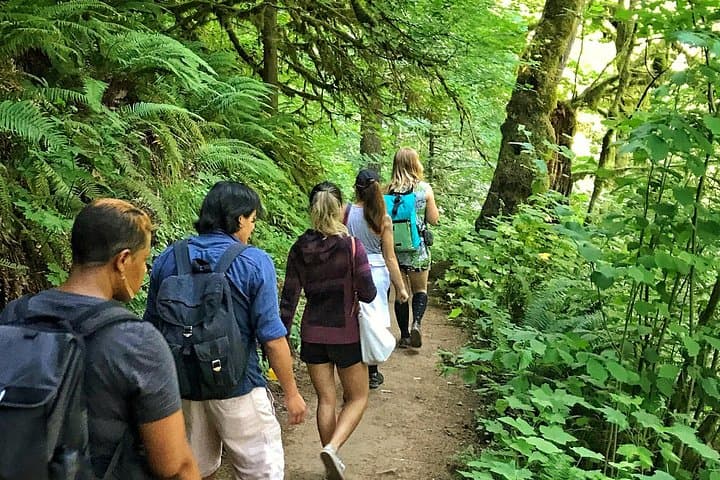
Lose the city for a few hours without leaving it: this 5-mile, 900-foot-gain Forest Park loop threads old-growth pockets, city viewpoints, and cultural landmarks for a compact taste of Portland’s wild side. Expect moss, roots, and stories.