
What the day feels like
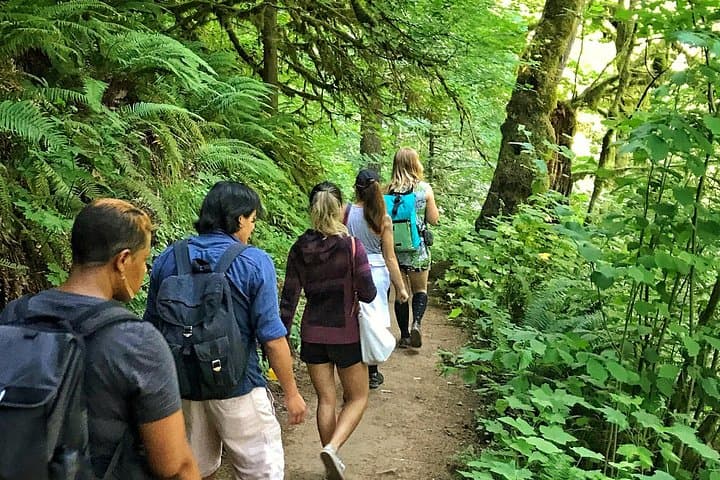
You step off the city grid and into a different tempo. Cars recede to a distant hum, streetlights give way to shafts of morning that leak through Douglas-fir and western hemlock, and the trail underfoot becomes a living thing—root-ribbed, sometimes muddy, always green. This is Forest Park, a 5,000+-acre swath of temperate rainforest folded into the northwest edge of Portland, and the 5-mile Forest Park Urban Hiking Tour is a concentrated way to feel the city loosen its grip and hand you something older and wilder.
The tour begins like many good Portland mornings: brisk air, coffee in hand if you choose, and a guide who can walk the line between naturalist and neighborhood historian. Over roughly 3–4 hours and about 900 feet of climbing, the itinerary threads woods and viewpoints, passing iconic nearby places—Japanese Garden, Pittock Mansion, Witch’s Castle—and often ending in the seasonal calm of the International Rose Test Garden. One departure follows a classic Northwest Portland arc; another climbs out of Goose Hollow and stitches together urban fabric and forest in a different way. Either approach is a reminder that Portland’s identity is not just downtown or the Willamette River, but the living, breathing forest hugging the west hills.
Geology here is patient. The ridges and ravines around Forest Park are part of the Tualatin Mountains, formed by uplift and sculpted by streams over millennia. Soils are rich with loam and the understory is thick with moss, ferns, and the glossy leaves of salal. The soundscape is layered: birdsong—juncos, varied thrushes—meets the distant whine of a MAX train and the chatter of hikers. Nature has personality on these trails; creeks dare you to step closer and moss blankets rocks like a deliberate, slow kindness.
Portlanders have long treated this place as civic patrimony. Forest Park is one of the largest urban forest reserves in the United States, with an extensive trail network—more than 70 miles by most counts—that was preserved to give the growing city access to forested land. The park is also a living classroom: your guide will likely point out signs of invasive English ivy, efforts to replant native species, and the local volunteer culture that keeps trails navigable. Those conservation threads are part of the cultural context—this is a city that values proximity to wildness.
On the practical side, the trail surface varies. Expect steep, sometimes rocky climbs and the occasional stream crossing; in wet months roots and mud demand steady footwork. The elevation gain—about 900 feet—arrives in manageable pitches rather than one long slog, but you will feel it in your thighs. Within minutes of leaving paved streets you’ll find yourself under a cathedral canopy, and then back in urban light by the time you touch the Rose Garden or descend toward a neighborhood coffee shop.
Why book this guided loop instead of striking out alone? For many visitors, it’s about context. A guide threads the trails into Portland’s story—why neighborhoods sit where they do, the role of the Pittock Mansion in early 20th-century civic life, and how the Japanese Garden and Rose Test Garden relate to the city’s public-park ethic. Guides also point out microthings you’d otherwise miss: a patch of salmonberry, a lichened log, a pocket viewpoint with the West Hills framing downtown.
When to go? Late spring and summer give drier trails and dense leaf cover; early summer brings roses to the Test Garden. Fall is a quieter, cooler window with crisp air and fewer people. Winters are green, soft, and often wet—bring waterproof footwear and an appetite for moss.
Practical tips: wear supportive, grippy shoes; pack a lightweight waterproof layer even when the forecast looks clear; bring 1–2 liters of water and a small snack; and carry a map or download an offline trail map if you plan to explore afterward. Cell service is intermittent on interior trails, so plan logistics before you descend. If you arrive by car, give yourself extra time for parking in Washington Park areas; public transit is a good alternative, with MAX and bus stops close to many trailheads.
There’s a gentle, urban etiquette to keep in mind: stay on marked trails to protect understory plants, leash dogs where required, and pack out trash. Forest Park is stewarded heavily by volunteers; consider giving back with a donation or a few hours of volunteer trail maintenance on a future trip.
At the end of the tour, whether you finish amid the shaped beds of the Rose Test Garden or spill back into a neighborhood with bakeries and craft breweries, you’ll feel like you’ve seen two Portlands—the civic and the wild—and how they hold each other. For travelers who like a hike that’s equal parts trail and story, this urban forest loop is a precise, restorative dose of the Pacific Northwest.
Trail wisdom
Small choices, better day.
Tackle the Mud
Trails can be muddy year-round; wear grippy, waterproof footwear and watch for roots on wet slopes.
Hydration & Snacks
Bring at least 1 liter of water and a snack—there are no services on the trail.
Start Early
Morning departures mean softer light, cooler air, and fewer people at viewpoints and the Rose Garden.
Respect the Canopy
Stay on marked trails to protect sensitive understory plants and avoid spreading invasive species.
Local knowledge
Read the place, not just the route.
Watch for native species including Varied thrush, Black-tailed deer.
Keep an eye out for wildlife during the transition between areas and habitats. Respect distance guidelines.
Volunteer groups actively remove invasive English ivy and plant natives; stay on trails and join restoration days to help protect habitat.
Follow the guide's instructions on size limits, ethical handling, and leave-no-trace practices.
Saltzman Trail viewpoint—fewer crowds, big West Hills outlook. Hunter Trail spurs—quiet pockets of fern and moss a short detour off main loops
Locally recommended viewpoints and quiet spots known best to local operators.
Forest Park is one of the largest urban forest reserves in the U.S., protecting thousands of acres of native forest and a wide trail network that Portlanders have stewarded for decades.
Maritime roots and regional tradition shape the waterways and working coasts.
Seasonal guide
Four versions of the same landscape.
Spring
Best forWildflowers · Birdwatching
ChallengesMud · Occasional rain
Spring brings bright green growth and birdsong, but expect muddy sections and pack a rain layer.
Summer
Best forDry trails · Longer daylight
ChallengesHigher temperatures on exposed sections · Crowds on weekends
Summer offers the driest trails and clear views—go early to beat crowds and midday heat.
Fall
Best forCooler hikes · Fewer visitors
ChallengesRain returns late season · Slippery leaves on roots
Fall is ideal for quieter trails and crisp air; layers are essential as conditions change.
Winter
Best forLush moss and dramatic skies · Storm-watching
ChallengesPersistent mud · Shorter daylight
Winter keeps the forest green but wet; waterproof gear and good traction matter most.
Operator details
What the booking data adds.
Included
- ✓We'll bring along extra water, but you're encouraged to bring your own bottle! Portland's tap water is delicious.
Not included
- —Gratuities (always appreciated)
Good to know
- ✓Service animals allowed
- ✓Public transportation options are available nearby
- ✓Not recommended for travelers with spinal injuries
- ✓Not recommended for travelers with poor cardiovascular health
- ✓Travelers should have at least a moderate level of physical fitness
Pack with intention
What to bring.
Good to know
Common questions.
The tour covers about 5 miles (8–10 km) with approximately 900 feet (about 300 meters) of elevation gain and lasts roughly 3–4 hours.
Plan the edges
The details that make the day easier.
Forest Park contains more than 70 miles of trails and covers roughly 5,000 acres, making it one of the largest urban forest reserves in the United States.
Finish your hike with a coffee or hearty brunch in NW Portland’s Nob Hill (NW 23rd) neighborhood or the Pearl District—both neighborhoods offer cafés, bakeries, and craft breweries that show Portland’s farm-to-table and coffee-forward culture.
- Closest airport
- Portland International Airport (PDX)
- Nearest major transit
- MAX Blue Line to Washington Park
- Driving from downtown
- 10–20 minutes depending on start point
- Cell service
- patchy inside forest
- Permits
- no day-hike permit required
Forest Park relies on volunteer stewardship—pack out what you bring, stay on established trails to protect understory plants, and avoid bringing or spreading invasive plants like English ivy.
Explore by topic
Follow the threads.
Keep exploring
Make the story part of the trip.
In four hours you can move from shaded canyon ferns to wind-scoured coastal ridgelines, guided by someone who knows where the light—and the hidden views—live. This private half-day hike on the Monterey Peninsula or Big Sur is compact, curated, and perfect for travelers who want depth without a multiday commitment.
 Related story
Beneath a sky of shifting light, Skaftafell’s ice reads like a map of time. This three-hour guided glacier hike mixes technical instruction with geology and culture: compact, safe, and unforgettable.
 Related story
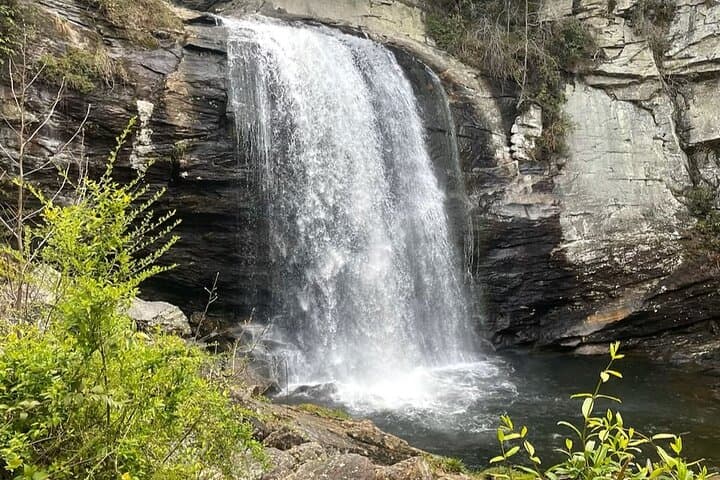
In a half-day you can trade Asheville’s bustle for mountain hush: short hikes to three waterfalls, a scenic drive along the Blue Ridge Parkway, and local guides who make the landscape intelligible. This tour is the easiest, most rewarding way to sample western North Carolina’s peaks and cascades.