

What the day feels like
The first thing that hits you on a morning at Recreio dos Bandeirantes isn’t the sand or the sun, but a sense of space—the Pacific-sized sweep of shoreline that hums with surfers, families, and the odd traveller who’s wandered past Ipanema’s glitter to find something quieter. At dawn the Atlantic tides pull back, revealing wide terraces of packed sand and tide pools that glint like coins. To the north, the Western hills of Rio fold into the horizon—an abrupt contrast of craggy granite and dense Atlantic Forest. Here, nature has its own pace: the surf dares you, the forest keeps its secrets, and the wind writes its handwriting across the dunes.
Recreio sits in Rio’s West Zone, a long ribbon of coastline that many visitors skip in favor of Copacabana. That omission is to their advantage. This stretch—Recreio, Praia do Recreio, Grumari, Prainha—has a rugged feel: rocky coves, broad beaches, and pockets of protected Mata Atlântica (Atlantic Forest). Geologically, the coastline is a mix of coastal sandplains and ancient granite outcrops, the latter offering the cliffs and slabs that make for dramatic viewpoints. Culturally, it’s where carioca surf culture meets family beach days and conservation-minded locals fighting to keep development at bay.
The appeal for an adventurous traveler is the variety. A 45–50 minute forest walk gets you to Pedra do Telégrafo, a squat granite slab famous for its vertiginous photos: a carefully staged illusion where perspective makes you appear to hang off a cliff. The trail itself—short, steep in parts, threaded with exposed roots—is a classic Mata Atlântica stroll: humid shade, bird song, and occasional glimpses of the coastline through canopy breaks. Mountain-bike routes thread between Barra da Tijuca, Reserva Floresta, and the coastline to Prainha, offering singletrack, sandy stretches, and views that reward effort with seaside barbecue joints. And jeep tours unfold like a live geography lesson, bumping you across sandbanks and through conservation areas to hidden beaches few tourists see.
If you want the city from above, a doorless helicopter tour reorients you in five minutes: Copacabana’s grid, Sugarloaf’s stoic dome, and the green fracture line of Tijuca forest. Each of the bookable experiences around Recreio nods to one truth: Rio’s coastline is a patchwork where urban architecture, protected forest, and wild surf meet. The tours on offer—guided hikes to Pedra do Telégrafo, jeep circuits of 18 beaches, mountain-bike routes and dedicated trips to Prainha and Grumari—are complementary ways to read the landscape.
Practicalities matter here as much as the views. The Telégrafo trail is short (roughly 45–50 minutes each way depending on pace) but can be slippery after rain; trail shoes with good grip matter. Jeep and mountain-bike trips vary: half-day tours are common, while the full jeep circuit that visits many beaches and ends at a dramatic sunset can run nine hours. For swimmers, be aware that some beaches in the region—especially near rocky points—have strong rip currents; always heed the flags and the lifeguards. Summer (December–March) has consistent surf and warm water but heavier crowds and more afternoon showers; shoulder seasons bring clearer skies and mellower surf.
Local logistics are straightforward: Recreio is 30–60 minutes from Rio’s city center depending on traffic—allow extra time if you’re travelling from Zona Sul. Many tours include pick-up; for independent travelers, taxis or app rides are the pragmatic choice. Bring cash for small kiosks and beach vendors; most larger businesses accept cards. Language: Portuguese is dominant, and while guides on tours often speak English, a phrasebook or translation app is useful when you stray off the beaten path.
On the conservation front, this coast is part of an active protection story. Community groups and environmental agencies work to preserve the remaining stretches of Mata Atlântica and the marine life that depends on intact reef and dune systems. Small choices matter: use reef-safe sunscreen, carry out your trash, and stay on designated paths to prevent erosion.
Why go? Recreio dos Bandeirantes offers a refreshing counterpoint to Rio’s postcard beaches. It’s less about posing for pictures on a crowded promenade and more about moving through a varied landscape—surfing, hiking, biking, or simply sitting and watching the Atlantic turn light to molten metal at sunset. Whether you come for a short hike to Pedra do Telégrafo, a jeep-run across 18 beaches, or a bike ride to Prainha that finishes with a grilled fish, the place rewards curiosity and a willingness to slow down and read the coast.
Final, practical notes: plan hikes in the morning to avoid the hottest, wettest part of the day; pack water and a light rain layer; and consider booking a guided tour for Telégrafo photos or jeep routes if you want local knowledge and transport logistics handled. With respect for the environment and a sensible kit, Recreio gives you an unscripted slice of Rio—wild, coastal, and distinctly carioca.
Trail wisdom
Small choices, better day.
Start early for Telégrafo photos
Begin the trail before 8am to avoid crowds and get softer light for photos at Pedra do Telégrafo.
Respect the flags
Swim only between lifeguard flags—rip currents can be strong along this coast.
Bring cash for kiosks
Small beachside stands often accept only cash for snacks, grilled fish, or surfboard rentals.
Choose a local guide for hidden beaches
Jeep and guided hiking tours deliver access to protected coves and local stories you’ll miss on your own.
Local knowledge
Read the place, not just the route.
Watch for native species including Southern right whale sightings offshore in migration season (rare), Tropical birds of the Atlantic Forest such as tanagers and trogons.
Keep an eye out for wildlife during the transition between areas and habitats. Respect distance guidelines.
Local NGOs and municipality programs protect dunes and forest fragments; travelers are urged to stick to paths, use reef-safe products, and support eco-conscious guides.
Follow the guide's instructions on size limits, ethical handling, and leave-no-trace practices.
A tide-pool stretch near the northern end of Praia do Recreio—good for low-tide exploring. Secluded coves between Grumari and Prainha that are reachable by guided jeep
Locally recommended viewpoints and quiet spots known best to local operators.
The West Zone developed later than central Rio; the coastal ridgelines and preserved forest patches are remnants of the original Atlantic Forest that once cloaked much of the region.
Maritime roots and regional tradition shape the waterways and working coasts.
Seasonal guide
Four versions of the same landscape.
Spring
Best forhiking · wildflower viewing · milder surf
Challengesoccasional rain showers · sticky humidity
Spring brings pleasant temperatures, regenerating greenery in the Mata Atlântica and manageable surf—ideal for trails and early-season surf sessions.
Summer
Best forsurfing · long beach days · doorless helicopter views
Challengeshigh humidity · afternoon downpours · more crowds
Summer is peak beach season with warm water and energetic surf but expect heavier crowds and short, intense showers.
Fall
Best forclear skies · sunset photography · cycling routes
Challengeswaning lifeguard presence late season · cooler mornings
Fall delivers stable weather, good light for photography and excellent conditions for long rides along the coast.
Winter
Best forcalmer beaches · mild hiking · less crowded trails
Challengescooler water temperatures · occasional swell storms
Winter brings fewer tourists and crisp mornings—great for hikes and quiet surf sessions, though the water can feel chilly.
Pack with intention
What to bring.
Good to know
Common questions.
Expect a 30–60 minute drive from Zona Sul depending on traffic; most guided tours include pickup, otherwise use a reputable ride app or taxi.
Plan the edges
The details that make the day easier.
The Atlantic Forest (Mata Atlântica) that fringes Rio’s western beaches is one of the world’s most biodiverse and threatened biomes, with a high proportion of endemic species.
Carioca surf culture dominates the West Zone—expect grilled fish stands on Prainha, artisanal cachaça tastings inland, and a relaxed, conservation-minded local vibe away from tourist hubs.
- Getting there
- 30–60 min from Zona Sul by car; Tours: half-day to full-day options; Permits: none for beaches, but drone and helicopter flights require operator compliance; Cash: bring small bills for kiosks.
Use reef-safe sunscreen, avoid single-use plastics, stay on designated trails to prevent erosion, and choose licensed local guides to support community-led conservation.
Explore by topic
Follow the threads.
Keep exploring
Make the story part of the trip.
In four hours you can move from shaded canyon ferns to wind-scoured coastal ridgelines, guided by someone who knows where the light—and the hidden views—live. This private half-day hike on the Monterey Peninsula or Big Sur is compact, curated, and perfect for travelers who want depth without a multiday commitment.
 Related story
Beneath a sky of shifting light, Skaftafell’s ice reads like a map of time. This three-hour guided glacier hike mixes technical instruction with geology and culture: compact, safe, and unforgettable.
 Related story
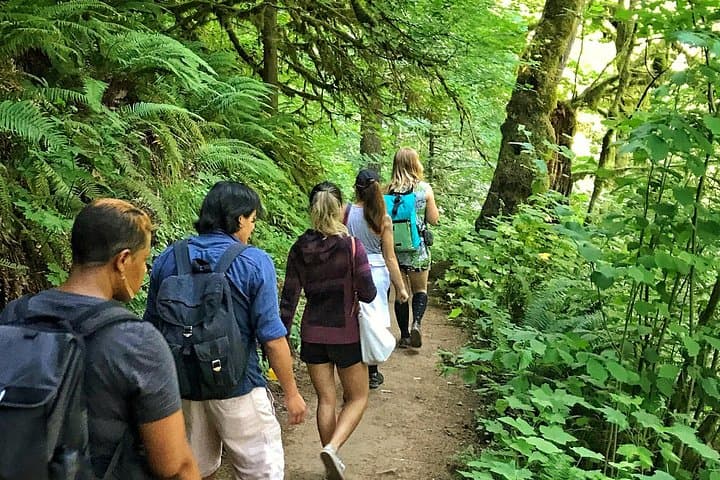
Lose the city for a few hours without leaving it: this 5-mile, 900-foot-gain Forest Park loop threads old-growth pockets, city viewpoints, and cultural landmarks for a compact taste of Portland’s wild side. Expect moss, roots, and stories.