

What the day feels like
Early morning at Hierve el Agua feels like walking into a story about time. The air is thin and cool, the light flatters the white terraces that climb the cliff like a frozen tide. A single, steady drip marks where mineral-rich water still works its slow alchemy, leaving behind ghostly layers of travertine. You stand near the rim, wind brushing the high plateau, and realize this place is both monument and machine — nature pressing minerals into architecture over millennia.
Located about 70 kilometers southeast of Oaxaca de Juárez in the Sierra Mixe, Hierve el Agua is not a waterfall so much as a petrified cascade: two cliff faces formed by calcium carbonate-rich springs that have deposited mineral terraces for thousands of years. The popular image — a waterfall caught mid-fall, white and rippling with terraces and natural pools — is accurate enough, but the full experience is more tactile. Paths hug narrow ridgelines and drop to viewpoints where the petrified curtains unfurl into narrow canyons. Below, the valley folds into agave fields and Zapotec towns, and above, the sky feels very wide.
Geologically, Hierve el Agua is a travertine formation similar to Mammoth Hot Springs in Yellowstone, but with its own desert logic. Groundwater, charged with dissolved calcium, reaches the surface, cools and releases carbon dioxide; minerals precipitate and harden into terraces. The result is both fragile and surprisingly enduring — scalloped edges, thin ledges that glint like bone in midday sun. Local Zapotec communities have known and used these springs for generations; the name Hierve el Agua — “the water boils” — comes from the surface agitation of the springs, not from boiling temperatures. Today, the site sits within a network of rural villages where weaving, mezcal production, and ancestral agricultural practices continue to shape life.
For travelers, Hierve el Agua has two main faces: the viewpoint and the pools. The viewpoint requires a short, uneven hike along rim trails (expect loose rock and some steep sections). Distances are modest — most people walk a 1–3 kilometer loop to see both major overlooks — but altitude matters: the site sits around 1,900–2,100 meters above sea level, so you may feel winded if you’ve just arrived from sea level.
The pools are terraces filled by cold, mineral-rich water and are ideal for a cooling dip after a hot climb. Unlike manicured resort pools, these are open-air basins with rough stone edges and a sense of exposure; swimwear, a towel and willingness to navigate a crumbly path will serve you well. Local operators and small tour groups run half-day or full-day excursions combining Hierve el Agua with Teotitlán del Valle (weaving demonstrations), Mitla’s archaeological zone, or mezcal tastings if you want culture and a digestif after the hike.
Practicalities matter as much as awe. The road from Oaxaca takes between 1.5 and 2 hours by car or small bus, with stretches of paved two-lane followed by rougher sections closer to the site. Public transport exists but is slow and often crowded; many visitors book a guided trip that bundles transport, entrance fees and a bilingual guide. There’s an entrance fee and small local vendors selling snacks and drinks — bring cash. Start early if you want soft light for photos and fewer people; afternoon clouds and the rainy season (June–September) can make the rim slick.
Footwear should be sturdy — trail shoes with good grip — because the path includes loose shale and short steeps. Hydrate: the plateau sun is intense even when temperatures feel mild. Sun protection and a refillable water bottle are essentials; there’s nowhere to reliably buy large supplies once you leave Oaxaca.
Hierve el Agua is a place that rewards slow attention. Sit on a terrace at dusk and watch the light cool on the mineral ledges; get up before sunrise for a pink, low-contrast glow that makes the cliffs look carved by memory. Pair a visit with Teotitlán del Valle to watch Zapotec weavers at work, or finish the day with a mezcal tasting in Santiago Matatlán to understand the agricultural and cultural context of the region. Small, local guides can add nuance: the terraces are not just geological curiosities but part of a landscape where water, soil and human labor have long been in dialogue.
Respect goes a long way here. The formations are porous and vulnerable; stay on trails, don’t remove mineral fragments as souvenirs, and avoid soaps or detergents in the pools. Supporting local businesses — artisan weavers, family-run palenques, and independent guides — keeps revenue in the valley and creates incentives for conservation.
In short: Hierve el Agua is a compact, high-impact outdoor experience — short hikes, dramatic viewpoints, and mineral pools framed by Zapotec culture and Oaxaca’s broader culinary and artisanal traditions. It’s the kind of place that asks a small investment of time and returns a deep sense of place, a geological patience translated into a few hours of walking, swimming and listening to wind move across stone.
If you go: plan for morning light, bring sun protection and water, pair the visit with local culture (weaving or mezcal), and move slowly. Nature here feels deliberate, as if it’s dared you to match its pace and notice what it took millennia to make.
Trail wisdom
Small choices, better day.
Start at first light
Arrive early to avoid crowds, capture the best light for photos, and skirt afternoon showers during the rainy season.
Bring a refillable bottle
Water is limited at the site; carry at least 1.5 liters per person and refill before you leave Oaxaca.
Wear grippy footwear
Trails are rocky with loose shale — trail shoes with good traction will keep you steady on viewpoints.
Respect the terraces
Stay on marked paths, don’t carve or remove mineral deposits, and avoid soaps in the pools to protect the formations.
Local knowledge
Read the place, not just the route.
Watch for native species including Red-tailed hawk, Rock-dwelling lizards and small mammals.
Keep an eye out for wildlife during the transition between areas and habitats. Respect distance guidelines.
The travertine terraces are fragile — staying on paths, not removing mineral deposits and avoiding soaps in pools helps preserve formations; using local guides funnels tourism revenue back into the communities.
Follow the guide's instructions on size limits, ethical handling, and leave-no-trace practices.
Walk the less-visited ridge to the east viewpoint for a quieter sunrise experience. Combine a visit with Teotitlán del Valle to see Zapotec pedal-loom weaving and natural dye demonstrations
Locally recommended viewpoints and quiet spots known best to local operators.
Hierve el Agua sits in Zapotec country; the petrified cascades have been known to local communities for generations and the springs supported agriculture in an otherwise arid range.
Maritime roots and regional tradition shape the waterways and working coasts.
Seasonal guide
Four versions of the same landscape.
Spring
Best forWarm sunny hikes · Clear panoramic views · Fewer tourists than high season
ChallengesSunny exposure · Higher midday temperatures
Spring (March–May) offers stable weather, warm pools and clear visibility — ideal for hiking and photography.
Summer
Best forLush valleys · Dramatic clouds for photography
ChallengesRainy season with afternoon storms · Mud and slick trails
Summer brings afternoon storms that can make trails slippery; mornings are still rewarding but pack rain gear.
Fall
Best forCrisp light for photos · Harvest-time agave fields nearby
ChallengesCooler nights · Variable weather
Fall balances warm days and cooler nights, with clear skies and excellent visibility for vistas.
Winter
Best forCrisp, clear days · Lower humidity
ChallengesCold mornings, chilly winds · Smaller window for swimming comfort
Winter mornings are cold but clear; layers are essential and pool swims are brisk.
Pack with intention
What to bring.
Good to know
Common questions.
Private transfers and organized tours are the easiest — expect 1.5–2 hours by car on a mix of paved and rough roads; public buses exist but are slower and less frequent.
Plan the edges
The details that make the day easier.
The travertine terraces at Hierve el Agua are formed by mineral-rich springs depositing calcium carbonate over thousands of years, creating the appearance of frozen waterfalls.
Pair a morning at Hierve el Agua with an afternoon in Teotitlán del Valle to watch Zapotec weavers use natural dyes; finish with mezcal and regional moles in Oaxaca city to round out a cultural day trip.
- Drive time
- 1.5–2 hours from Oaxaca; elevation: ~1,900–2,100 m; difficulty: moderate; entrance fee: small local charge (cash); best time: early morning in spring.
Support local guides, avoid touching or removing mineral deposits, never use soap in the pools, and purchase food or crafts from local vendors to ensure tourism benefits the community.
Explore by topic
Follow the threads.
Keep exploring
Make the story part of the trip.
In four hours you can move from shaded canyon ferns to wind-scoured coastal ridgelines, guided by someone who knows where the light—and the hidden views—live. This private half-day hike on the Monterey Peninsula or Big Sur is compact, curated, and perfect for travelers who want depth without a multiday commitment.
 Related story
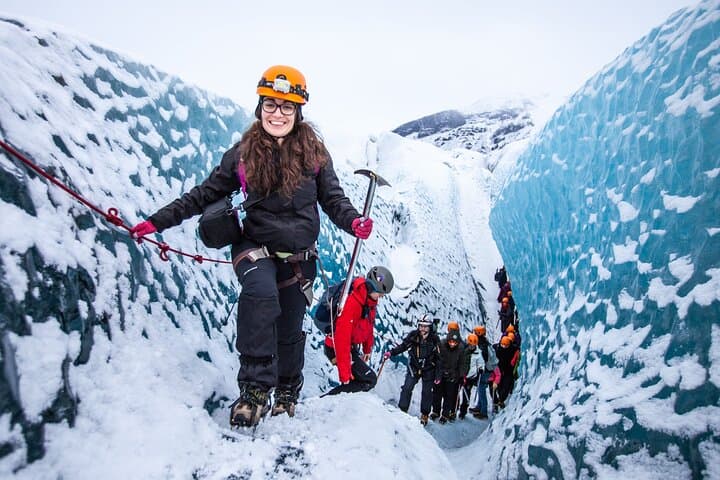
Beneath a sky of shifting light, Skaftafell’s ice reads like a map of time. This three-hour guided glacier hike mixes technical instruction with geology and culture: compact, safe, and unforgettable.
 Related story
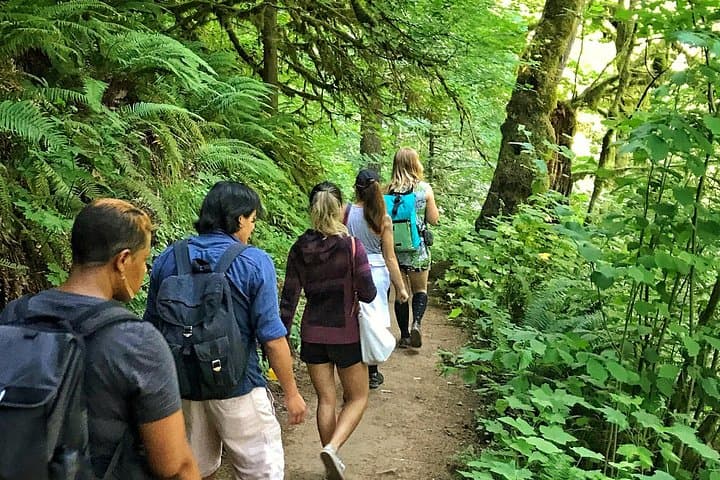
Lose the city for a few hours without leaving it: this 5-mile, 900-foot-gain Forest Park loop threads old-growth pockets, city viewpoints, and cultural landmarks for a compact taste of Portland’s wild side. Expect moss, roots, and stories.