

What the day feels like
The morning arrives at Seal Rocks like a low tide — deliberate, clean, and edged with salt. You park where the blackened tea-trees thin out and the world opens to a slab of ocean and the squat silhouette of Sugarloaf Point Lighthouse, a white sentinel clinging to a rocky outcrop. Gulls argue over breakfast. The air smells of kelp and sunscreen. A short path winds up and down, over sand-dusted humps of vegetation and ridgelines of broken stone. Ahead: a colony of fur seals, the carved channels of tidal rock shelves, and a horizon that takes on the kind of blue that makes people keep their voices low.
Seal Rocks sits on the mid‑north coast of New South Wales, a place where geology, ocean, and human history meet with noticeable bluntness. The sugarloaf-shaped promontory that gives the lighthouse its name is a banded story of ancient sandstones and resistant volcanic intrusions molded by swells coming in from the Tasman Sea. On any clear day the surf here asserts itself — fast, hollow waves pushing into shallow reefs that have made the spot famous with experienced surfers. At low tide the reefs become shelves lined with tidal pools; at high tide the swell turns the rock into a churned, living border between land and sea.
The human chapter at Seal Rocks is short but significant. Sugarloaf Point Lighthouse, built in 1875, was constructed to warn mariners away from the nearby reef systems; its light and adjacent keeper’s cottages remain among the most photographed features of the coast. The traditional custodians of this region are the Biripi people, whose connection to the sea and its resources long predates the lighthouse and the modern seaside village that now nestles behind the dunes.
What you do here depends on your appetite for close contact with coastal nature. The short walk to Sugarloaf Point is a practical adventure: a 2–3 km loop that rises and falls across low coastal heath with a cumulative elevation gain under 100 m, mostly on compacted paths and timber boardwalks. Take it slow and the hike reveals small dramas — territorial seabirds, the gleam of anemones tucked into rock shelves, and the furtive movement of seals hauling out onto offshore rocks. The seal colony is the natural centerpiece: Australian fur seals and occasionally juvenile species haul out on the offshore rocks, lounging like damp, mottled boulders that blink and then shuffle away when you get too close. Keep your distance; these animals are wild and fast.
Water-based options extend the sensory menu. Experienced surfers know Seal Rocks as a reef-break playground when swell and wind align, but it’s best left to those who understand rips and shallow reef takeoffs. For calmer days, snorkeling around sheltered ledges reveals bright fish, sea urchins, and the textured tapestry of life that clings to the lee of the rocks.
Practical edge: plan for strong sun, swell-driven wind, and variable footing. The path is short but uneven in places; shoes with good grip make the walk more enjoyable. If you time your visit for sunrise or late afternoon you avoid the peak sun and catch the light that makes the lighthouse glow. Whale season adds a spectacle from May to November when migrating humpbacks and southern rights pass offshore; bring binoculars and patience.
For travelers, Seal Rocks is both an easy daytrip and a place that rewards a slower, overnight stay. Nearby Forster–Tuncurry offers lodging, seafood, and the kind of small-town amenities that make a camping or B&B night comfortable. If you’re thinking like a photographer or a naturalist, plan to spend two low-tide windows; the reef and rock pools are best explored as the sea pulls back.
How to be a considerate visitor: keep to marked tracks, don’t approach hauled-out seals, and avoid drone flights over wildlife. The area’s ecology is intact but fragile; the combination of foot traffic and curious humans can harm vegetation and disrupt breeding cycles. Pack out everything you bring in and use existing facilities in the small village.
Seal Rocks rewards the kind of attention that mixes curiosity with respect. It’s not a summit with a view to conquer; it’s a coastline with a pulse. Walk slowly, look closely, and let the lighthouse provide the punctuation to a day grounded in wind and salt. When you leave, you’ll carry back a simple geography of memory: the smell of the kelp, the sound of seals hauling themselves on rock, and that horizon that always seems to make room for another wave.
Trail wisdom
Small choices, better day.
Keep your distance from seals
Fur seals often haul out on the rocks; observe from at least 50 meters and use binoculars to avoid stressing animals.
Time your tide
Visit low tide to explore rock pools and reef shelves safely—check local tide charts so you don’t get cut off by rising water.
Wear grippy footwear
Paths are short but uneven; sturdy shoes with traction make the walk and rock-scrambling easier.
Sun and wind protection
The coastal exposure offers little shade; bring sunblock, a hat, and windproof layers for changing conditions.
Local knowledge
Read the place, not just the route.
Watch for native species including Australian fur seals, migrant humpback whales (seasonal).
Keep an eye out for wildlife during the transition between areas and habitats. Respect distance guidelines.
Keep to paths and observe wildlife at a distance—disturbance during breeding and haul-out periods can have lasting impacts on local populations.
Follow the guide's instructions on size limits, ethical handling, and leave-no-trace practices.
Little Beach lookout on the southern side for an intimate view of reef patterns. Early morning low-tide rock-pooling along the western shelves for intertidal life
Locally recommended viewpoints and quiet spots known best to local operators.
Sugarloaf Point Lighthouse was built in 1875 to mark hazardous reefs; the area sits on the ancestral lands of the Biripi people.
Maritime roots and regional tradition shape the waterways and working coasts.
Seasonal guide
Four versions of the same landscape.
Spring
Best forwildflower coastal heath · milder temperatures · early whale sightings
Challengeschangeable weather · strong winds some days
Spring brings blooming coastal heath and comfortable weather—good for walking and wildlife viewing, with occasional strong onshore winds.
Summer
Best forbeach time · snorkeling in sheltered spots · long daylight hours
Challengeshigh UV and heat · crowded weekends
Summer is prime for swimming and snorkeling but comes with intense sun and hotter daytime temperatures—early starts are recommended.
Fall
Best forcalmer seas for snorkeling · clear light for photography · fewer crowds
Challengescooler evenings · occasional storms
Autumn offers stable swell windows and crisp light—excellent for photographers and quieter trails after the school holidays.
Winter
Best forwhale watching offshore · dramatic swell and surf · clear visibility
Challengescooler temps and strong southerly winds · cold water for snorkeling
Winter sees migrating whales and big surf—great for viewing from the headland but not ideal for casual swimming or snorkeling.
Pack with intention
What to bring.
Good to know
Common questions.
The loop from the main car park to Sugarloaf Point and back is roughly 2–3 km and typically takes 45–90 minutes depending on stops and tide conditions.
Plan the edges
The details that make the day easier.
Sugarloaf Point Lighthouse at Seal Rocks was built in 1875 and remains a key 19th-century aid-to-navigation on the New South Wales coast.
The nearby towns of Forster–Tuncurry offer fresh seafood (especially oysters and prawns) and relaxed cafes; acknowledge the Biripi people as the traditional custodians of the land and learn about local cultural tours where available.
- Know-before-you-go
- 2–3 km loop, minimal elevation, limited facilities on-site, nearest services in Forster (30–40 min drive), best light at sunrise
Avoid approaching wildlife, stick to established tracks, pack out all waste, and use local guides to support conservation-minded tourism initiatives.
Explore by topic
Follow the threads.
Keep exploring
Make the story part of the trip.
In four hours you can move from shaded canyon ferns to wind-scoured coastal ridgelines, guided by someone who knows where the light—and the hidden views—live. This private half-day hike on the Monterey Peninsula or Big Sur is compact, curated, and perfect for travelers who want depth without a multiday commitment.
 Related story
Beneath a sky of shifting light, Skaftafell’s ice reads like a map of time. This three-hour guided glacier hike mixes technical instruction with geology and culture: compact, safe, and unforgettable.
 Related story
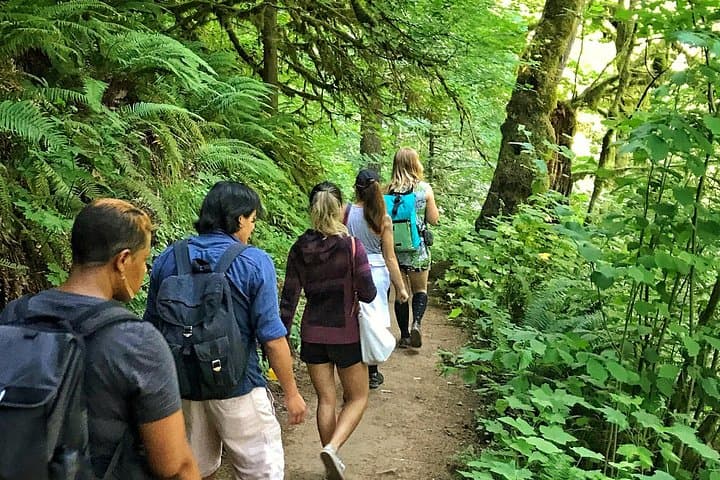
Lose the city for a few hours without leaving it: this 5-mile, 900-foot-gain Forest Park loop threads old-growth pockets, city viewpoints, and cultural landmarks for a compact taste of Portland’s wild side. Expect moss, roots, and stories.