

What the day feels like
The first time you push through the low wooden door into Sharm el Maya—Sharm el Sheikh’s Old Town—the air changes. The spray of the Red Sea punctuates the scent of cinnamon and cardamom. Fishermen lean on the jetty, nets drying like lace in the sun; just beyond them, a tangle of alleys unfurls, rimmed with stalls selling copper lamps, woven scarves and glass beads that catch the light like a thousand small, deliberate reefs. You are not in a sanitized beach resort any longer; you are in a place where the sea, the market and the mosque rub shoulders.
Sharm el Maya is the compact, beating heart of old Sharm. Historically a fishing harbour and coral port, it predates the boom of hotels that transformed the broader coastline in the late 20th century. Walk its alleys and you’ll find traces of that past: weathered wooden boats, low stone-built houses and narrow lanes designed to catch the mercy of the breeze. The Old Market, or souq, still operates on that human scale—shopkeepers call out the day’s best price, and bargaining is a social ritual as much as commerce.
Geologically, the town sits on the fringes of the Sinai massif, where the desert drops sharply to meet the Red Sea’s sheltered bays. The coastline here is an intimate contrast to the wide, hotel-swept crescents of Naama Bay: coral fingers slope gently into aquamarine water, and the shallows offer easy snorkel access from the shore. That proximity to reef and rack of rocky headlands invested Sharm el Maya with its early identity as a fishing and trading outpost long before international tourism arrived.
Culturally, Old Town is where the city’s hospitality feels most unforced. The minarets of Al Mustafa and El Sahaba punctuate the skyline; a small Coptic church sits quietly between teahouses. Locals gather at the waterfront to smoke shisha and watch the sky turn the bay from copper to indigo, and the Old Market’s spice stalls and brassware still supply the restaurants inland including the local favorite seafood spots. If you want to combine sensory intimacy with context, book a guided walk: options like the Sharm El Sheikh Private Cultural & Historical City Tour or the Private City Sightseeing & Shopping Tour give histories of the mosques and the stories behind the souk’s stalls, while the Unseen Sharm El Sheikh City Tour pairs those discoveries with an Egyptian dinner to taste the spices you’ve been sniffing all afternoon.
Practical rhythm is simple. Come in the cooler hours—early morning for market energy and late afternoon for golden light and seafood dinners—then let the heat guide you toward seaside cafés. Many visitors arrive via Naama Bay or Soho Square for nightlife, but the Old Town rewards a slower pace. If you’re short on time or want door-to-door ease, private transfers and half-day City Tours (including Private Transfer to Old Market, Naama Bay, Soho Square & More) make the logistics painless and let you focus on the experience rather than the transit.
How to make the most of it: start at the waterfront and follow your ears—vendors selling dried mangoes and za’atar will lead you into the souk’s spine. Allow time to climb to the Peace Memorial viewpoint for a wraparound snapshot of the bay; guides on the City Tour of Sharm El Sheikh typically include that stop. When hunger hits, consider the Sharm El-Sheikh City Tour with Optional Seafood Meal or the Sharm El-Sheikh City Tour with Optional Seafood Meal—both pair cultural stops with a fresh catch dinner at Fares Restaurant or another local kitchen, where grilled fish and saffron rice make the ideal end to a day of walking.
For planning: the Old Town’s lanes are unpaved and sometimes narrow—comfortable footwear is non-negotiable. Sun is relentless in mid-summer, so morning or late-afternoon visits are best; if you’re photographing the market, the sharper shadows of early morning create texture, while sunset softens faces and fabrics. Be ready to barter: sellers expect it, so start at about half the asking price and move up if the item feels fair. Most guides can translate and recommend trustworthy shops; private tours are a good investment if you want to strike a balance between shopping and history without wasting time.
Respect matters. The Old Town is a living neighborhood: dress modestly when visiting religious sites, ask before photographing people up close, and take care not to block alleyways during busy periods. Try to spend in family-run stalls—the money circulates locally and the interactions are more memorable.
Sharm el Maya is a short, lived-in counterpoint to the high-gloss resort experience: intimate, gritty, fragrant, and honest. Whether you weave it into an afternoon with a private transfer from your hotel or make it the subject of a half-day cultural tour and seafood dinner, the Old Town gives texture to your time on the Sinai coast. It’s where the Red Sea still sets the tempo, and the market keeps the city grounded.
Trail wisdom
Small choices, better day.
Go early or late
Visit the Old Market in early morning or late afternoon to avoid midday heat and get the best light for photos.
Bring cash in small bills
Many vendors prefer Egyptian pounds and small denominations make bargaining and small purchases easier.
Wear sturdy shoes
Streets are uneven and sometimes sandy—closed-toe shoes with good tread make walking more comfortable.
Hire a local guide for context
A private cultural tour delivers history, stops at viewpoints and helps you navigate the souk and mosque etiquette efficiently.
Local knowledge
Read the place, not just the route.
Watch for native species including Red Sea reef fish visible from the shallow shore (choose tide-friendly spots), Migratory seabirds along the bay in cooler months.
Keep an eye out for wildlife during the transition between areas and habitats. Respect distance guidelines.
The nearby coral reefs are fragile—avoid touching coral, use reef-safe sunscreen, and support local vendors to keep the Old Town’s economy community-centered.
Follow the guide's instructions on size limits, ethical handling, and leave-no-trace practices.
Climb to the Peace Memorial viewpoint for a panoramic view of the bay at sunset. A small waterfront café near the fishing jetty where locals gather for mint tea and shisha
Locally recommended viewpoints and quiet spots known best to local operators.
Sharm el Sheikh began as a small fishing settlement and coral port before the 1970s–80s development turned it into an international resort; Old Town preserves that maritime past.
Maritime roots and regional tradition shape the waterways and working coasts.
Seasonal guide
Four versions of the same landscape.
Spring
Best forpleasant temperatures · snorkeling in shallows · market browsing
Challengeswindy days possible · early bloom of summer crowds
Spring is mild and comfortable—ideal for walking the Old Town and dipping into the water; expect occasional wind off the gulf.
Summer
Best forearly morning market runs · long daylight for photos · beach time
Challengesvery high daytime heat · limited midday activities
Summer brings intense heat; plan activities for mornings and evenings and use air-conditioned transfers between stops.
Fall
Best forseafood dinners at sunset · diving and snorkeling · comfortable sightseeing
Challengesincreasing tourist numbers · occasional high temperatures early in season
Fall is the sweet spot for sea and market—warm water, comfortable evenings and lively dining scenes.
Winter
Best forquiet streets and cooler hikes · clear views from viewpoints · off-season travel bargains
Challengescooler nights · shorter daylight hours
Winter days are cool and clear—perfect for exploration without crowds, though evenings need warmer layers.
Pack with intention
What to bring.
Good to know
Common questions.
Plan 1.5–3 hours to wander, shop and visit a mosque or two; add another hour for a seafood meal if you stop for dinner.
Plan the edges
The details that make the day easier.
Sharm el Sheikh was developed into an international resort after the Sinai Peninsula was returned to Egypt in 1982, transforming fishing villages like Sharm el Maya into tourist destinations.
Try a seaside dinner of grilled catch at a family-run restaurant after bargaining in the souk; mingle with locals over mint tea and shisha at the waterfront cafés; pick up hand-blown glass or brassware crafted by local artisans to support the community.
- Getting there
- 10–20 minutes by car from Naama Bay; Language: Arabic—guides often speak English; Money: Egyptian pound; Cash-friendly souk; Dress: modest for religious sites; Best time: morning or late afternoon.
Choose reef-safe sunscreen, minimize single-use plastics, and buy from local artisans to ensure tourism dollars stay within the community and support conservation of nearby coral reefs.
Explore by topic
Follow the threads.
Keep exploring
Make the story part of the trip.
In four hours you can move from shaded canyon ferns to wind-scoured coastal ridgelines, guided by someone who knows where the light—and the hidden views—live. This private half-day hike on the Monterey Peninsula or Big Sur is compact, curated, and perfect for travelers who want depth without a multiday commitment.
 Related story
Beneath a sky of shifting light, Skaftafell’s ice reads like a map of time. This three-hour guided glacier hike mixes technical instruction with geology and culture: compact, safe, and unforgettable.
 Related story
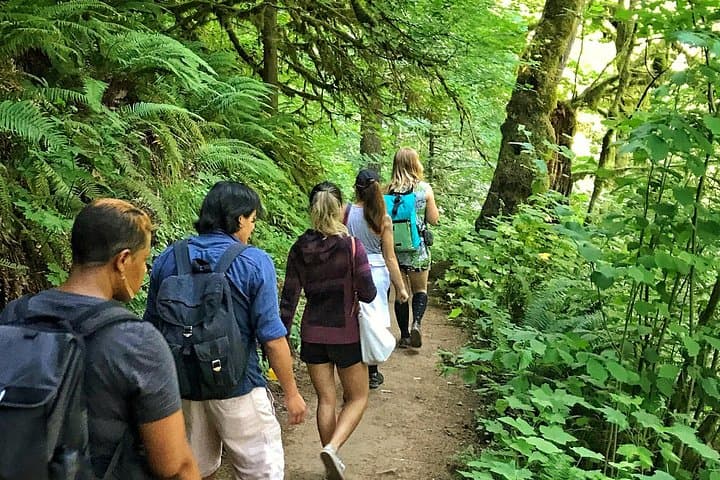
Lose the city for a few hours without leaving it: this 5-mile, 900-foot-gain Forest Park loop threads old-growth pockets, city viewpoints, and cultural landmarks for a compact taste of Portland’s wild side. Expect moss, roots, and stories.