

What the day feels like
The first time you stand at the rim of Iguazu, the world rearranges itself. A curtain of water—sheeted, fractured, thunderous—drops away into a stew of steam and sunlight, while a chorus of birds and frogs trades calls with the constant percussion of collapse. Mist soaks your hair and camera, and a rainforest leans in from every side, dark and humming. This is not a placid viewpoint; Iguazu Falls is a living system that demands attention: the water daring you forward, the currents pushing the jungle to the edge.
Iguazu sits where Argentina, Brazil and Paraguay brush shoulders, but most visitors anchor themselves in Puerto Iguazú on the Argentine side. The Argentine park contains roughly 80% of the falls’ individual cataracts and a web of raised walkways, eco-train rides and jungle trails that get you as close as humanly possible to the thunder. The most famous spectacle—Garganta del Diablo, the Devil’s Throat—folds the river into a horseshoe and funnels a colossal flow into a yawning chasm. The result is a smoky, all-encompassing display that both humbles and compels.
Geology here is patient but dramatic. The basalt and ancient volcanic strata that underpin the falls were carved over millennia as the Paraná River encountered fault lines and softer rock. The result is hundreds of separate drops—many of them modest, some of them immense—stacked across a tropical canvas. UNESCO declared the site a World Heritage Area in 1984; in 2011 Iguazu was voted one of the New7Wonders of Nature. Those recognitions reflect not only scale but biodiversity: the surrounding Atlantic Forest hosts a mosaic of life—toucan calls, howler monkeys, and the cheeky coati that knows exactly how to charm a tourist out of a snack.
Human history threads through the landscape too. The Guaraní people lived here long before European explorers, and their cultural footprint remains in regional food, language, and place names. A short drive from Puerto Iguazú, the Jesuit mission of San Ignacio Miní—built from red sandstone in the 17th century—is a quiet contrast to Iguazu’s constant tumult, a place where stone squares and ruined archways slow the pulse and remind you that people have been drawn to this fringe of jungle for centuries. Nearby Wanda Mines offer another regional curiosity: open-fronted caverns rich in amethyst and quartz where local guides explain geology and gem lore.
How you experience Iguazu defines what you’ll take home. Most visitors pair the Argentine side’s close, wet intimacy with a panoramic Brazilian-side viewpoint. On the Argentine side, an eco-train shuttles visitors into the park where three circuits fan out: the upper walkways stretch along the cliff edge for sweeping panoramas; the lower circuit drops toward the base of dozens of smaller falls and involves steps and slick stone; and the Devil’s Throat walkway—an exposed jetty into the river’s mist—delivers the full-force spectacle. For adrenaline, the “Great Adventure” boat ride is a must: a powerboat that threads the river and takes you beneath the cataracts’ spray, leaving no one untouched by the experience.
Practicalities lean straightforward but firm. Expect a full-day commitment—4–8 hours if you move quickly, longer if you linger on each circuit or take optional boat or jungle-truck excursions. Trails are mostly flat but wet; non-slip, broken stone and metal boardwalks dominate. Footwear with good grip, waterproof layers, and a dry bag for electronics make the day more comfortable.
Timing matters. Early morning hours give softer light and cooler temperatures; late afternoon reduces crowds and can turn the mist into shafts of golden light. Rainfall swells the falls and heightens drama—yet more water means more spray; a drenching is likely on the boat ride regardless of season. Guided tours are abundant and useful: local guides explain river mechanics, point out wildlife, and handle logistics if you want to combine both Argentine and Brazilian viewpoints in a single day.
Sensible preparation keeps the day joyful. Bring a refillable water bottle (there are stations in the park), sun protection for exposed sections, insect repellent for the jungle stretches, and cash in local currency for small purchases and tips. Passport and cross-border requirements matter if you plan to visit Brazil; check visa rules in advance. Respect the wildlife—do not feed animals—and stay on the marked boardwalks to protect the fragile understory and your own safety.
Beyond the fall-line, linger in the region. Puerto Iguazú is a compact town with riverside restaurants serving river fish and local variations on Argentine staples—grilled meats, empanadas, and yerba mate culture—while the Jesuit ruins of San Ignacio Miní and the gem shops of Wanda provide off-the-beaten-track additions if you have an extra day. If you’re into biking, guided rides along Jaguar Road and through less-visited parts of the national park let you tame the jungle at human speed.
Iguazu rewards curiosity and respect. Listen for the rustle that isn’t water; watch for a flash of wing. Bring a small sense of wonder and a practical checklist, and this place—loud, wet, and insistently alive—will deliver an adventure that’s both elemental and precise.
Why go: because few natural places combine scale, biodiversity, accessibility, and theatrical force like Iguazu. Whether you’re a casual traveler or a seasoned adventurer, the falls offer a layered day: waterfront spectacle, rainforest walk, wildlife encounters, and a regional culture that threads history into every meal and monument. Come prepared, come patient, and let the jungle do the rest.
Trail wisdom
Small choices, better day.
Start early
Arrive when the park opens to beat the biggest crowds and enjoy cooler light on the falls.
Bring waterproof protection
A lightweight rain jacket and a dry bag for electronics will save your camera and your mood—boat rides guarantee a soaking.
Wear grippy footwear
Boardwalks can be wet and slippery; closed-toe shoes with good traction are recommended for the lower circuit.
Carry local cash & passport
Small vendors take cash; if crossing to the Brazilian side, bring your passport and check visa requirements ahead of time.
Local knowledge
Read the place, not just the route.
Watch for native species including Coati (Nasua nasua), Toucan species (several types).
Keep an eye out for wildlife during the transition between areas and habitats. Respect distance guidelines.
Iguazú National Park is protected as a UNESCO World Heritage Site; visitors should stick to boardwalks, avoid feeding wildlife and support certified local guides to reduce ecological impact.
Follow the guide's instructions on size limits, ethical handling, and leave-no-trace practices.
San Ignacio Miní Jesuit Ruins (day trip). Wanda Mines (gemstone galleries and local geology)
Locally recommended viewpoints and quiet spots known best to local operators.
Jesuit missions like San Ignacio Miní date to the 17th century and are an important cultural complement to the natural spectacle of the falls.
Maritime roots and regional tradition shape the waterways and working coasts.
Seasonal guide
Four versions of the same landscape.
Spring
Best formoderate crowds · pleasant temperatures · wildflower and bird activity
Challengesoccasional rain showers · variable river flow
September–November brings warming temperatures and lively wildlife; water flow is typically strong without the peak-season crush.
Summer
Best forlush jungle foliage · higher water volume · dramatic mist effects
Challengeshot, humid conditions · frequent heavy rain and thunderstorms
December–February offers intense green growth and thunderous cascades, but expect heat, humidity and sudden downpours.
Fall
Best forcrisp light for photos · fewer tourists than summer · comfortable daytime temps
Challengessometimes lower river levels late in season · cooler mornings
March–May balances water drama with comfortable temperatures and thinning crowds—great for full-day explorations.
Winter
Best forclearer skies · lower humidity · easier hiking conditions
Challengescooler mornings and evenings · occasional reduced water flow
June–August is mild and drier; the falls remain impressive though large dry spells can reduce individual cataracts.
Pack with intention
What to bring.
Good to know
Common questions.
Plan 4–8 hours for the Argentine side alone if you want to walk all three circuits, ride the eco-train and take a boat ride; combine with the Brazilian side for a full two-day itinerary.
Plan the edges
The details that make the day easier.
Iguazú National Park was designated a UNESCO World Heritage Site in 1984 and was voted one of the New7Wonders of Nature in 2011.
Puerto Iguazú blends Argentinian hospitality with Guaraní influence—try riverine fish dishes, share mate with locals, and browse gemstone shops selling amethyst from Wanda Mines for regional flavor.
- Park
- Iguazú National Park (Argentina). Distance from Puerto Iguazú: ~17 km (20–30 min). Hours: typically early morning to late afternoon (seasonal). Entry: ticketed; bring ID and cash for small purchases. Transport: park shuttles, taxis, and guided transfers common.
Choose certified guides, use refillable water bottles to reduce plastic waste, respect wildlife distancing, and follow park rules to protect the Atlantic Forest and river systems.
Explore by topic
Follow the threads.
Keep exploring
Make the story part of the trip.
In four hours you can move from shaded canyon ferns to wind-scoured coastal ridgelines, guided by someone who knows where the light—and the hidden views—live. This private half-day hike on the Monterey Peninsula or Big Sur is compact, curated, and perfect for travelers who want depth without a multiday commitment.
 Related story
Beneath a sky of shifting light, Skaftafell’s ice reads like a map of time. This three-hour guided glacier hike mixes technical instruction with geology and culture: compact, safe, and unforgettable.
 Related story
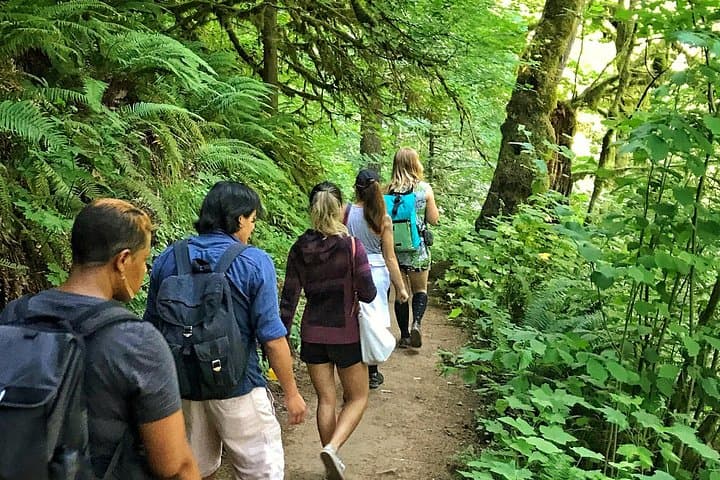
Lose the city for a few hours without leaving it: this 5-mile, 900-foot-gain Forest Park loop threads old-growth pockets, city viewpoints, and cultural landmarks for a compact taste of Portland’s wild side. Expect moss, roots, and stories.